
Not too long ago, matcha was just another drink. Today, it's hard to walk into a café without finding an entire menu built around it. Somewhere between morning routine videos, Pinterest boards, and aesthetic kitchen counters, matcha became more than tea - it became a trend. Which raises a more interesting question: what exactly made us want it?
The answer has almost nothing to do with tea, and everything to do with how modern demand actually gets created. But to see how strange that is, it helps to know where this leaf actually came from - because the story starts about as far from an Instagram feed as you can get.
The Old Leaf
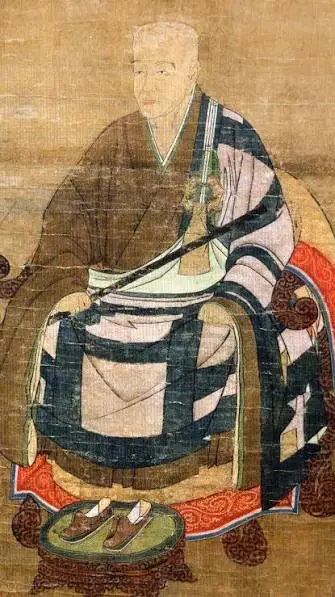
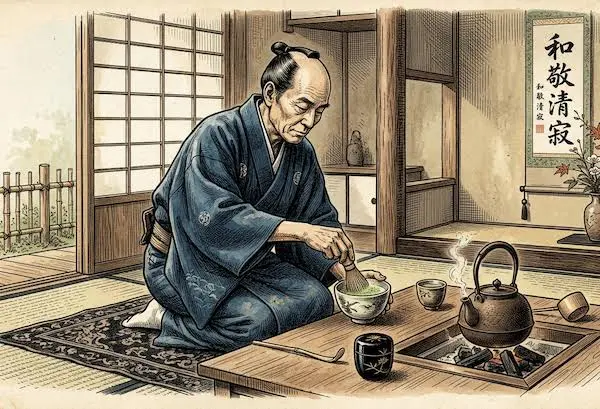
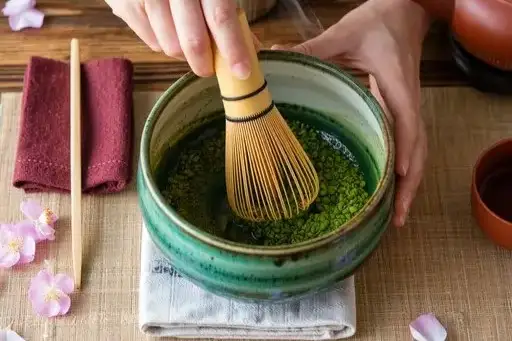
Long before matcha became the drink of aesthetic cafés and morning routines, it was simply powdered tea. Its origins trace back to China, where Buddhist monks whisked finely ground tea to stay alert during meditation. In the 12th century, Zen monk Eisai brought this practice to Japan, where it flourished in Uji and gradually became central to the Japanese tea ceremony.
For centuries, matcha wasn't an everyday beverage. It was carefully cultivated, labor-intensive to produce, and closely associated with mindfulness, simplicity, and being fully present in the moment.
Which makes its modern story all the more fascinating. A drink once rooted in quiet rituals has become one of the most photographed beverages in the world. Somewhere along the way, matcha stopped being just tea yet became a symbol of a lifestyle. And that's where the economics gets interesting.
Matcha didn’t Change, We did!
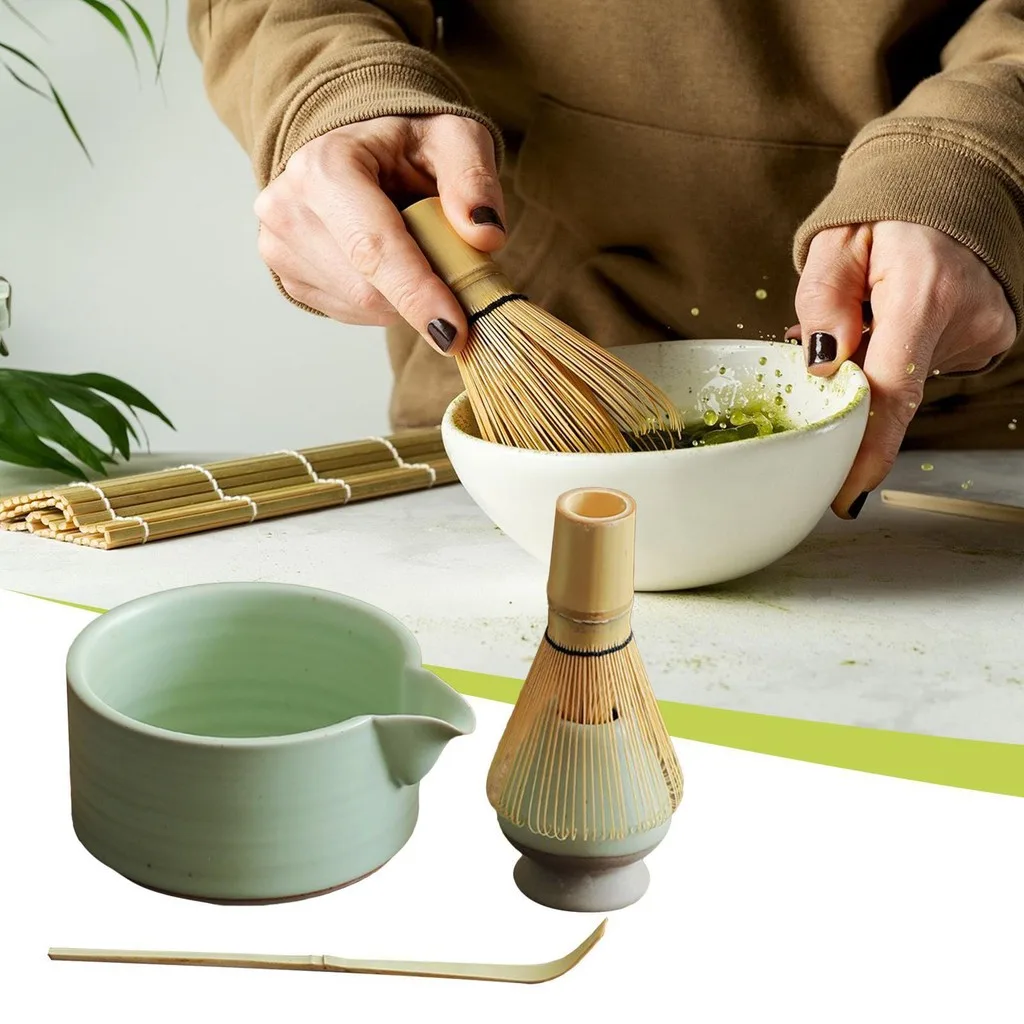
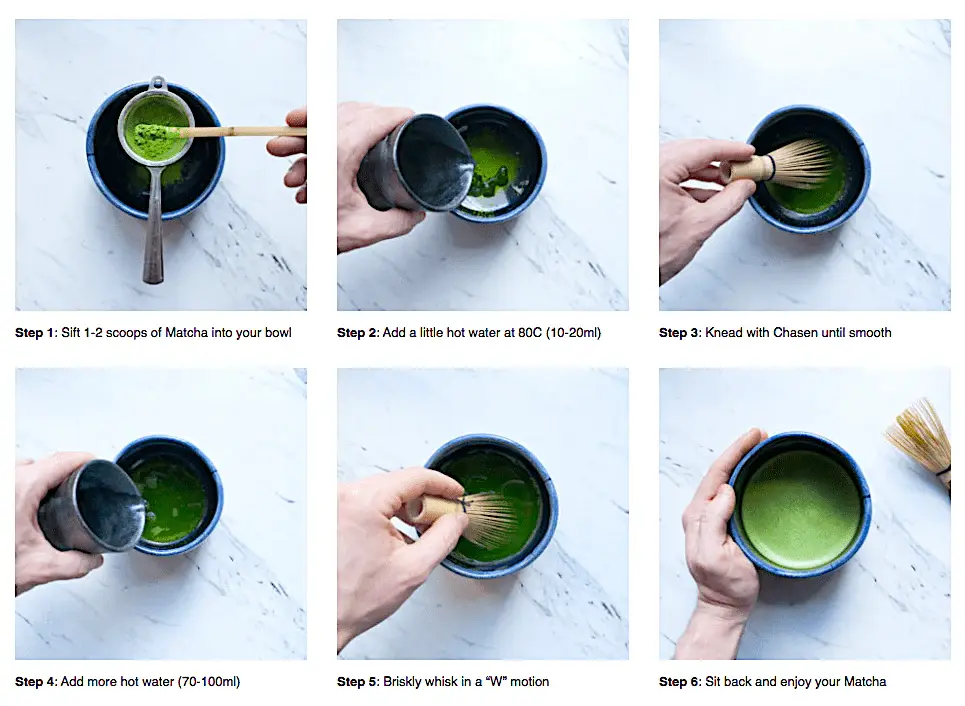
The plant, the grinding process, and the whisking ritual haven't changed much since Eisai brought them to Japan in 1191. What has changed is everything surrounding it - what matcha represents, and what we're really buying when we order it.
Traditional economics assumes demand begins with a need. Matcha tells a different story. Here, trends create desire, and desire creates demand. People aren't just paying for caffeine or antioxidants; they're paying for what the drink has come to symbolize: calm, intention, wellness, and a version of themselves they aspire to be. It's a subtle form of conspicuous consumption - where a latte isn't just a drink, but also a signal of taste, lifestyle, and identity.
The “Clean Girl” Effect
This is where the story gets interesting.
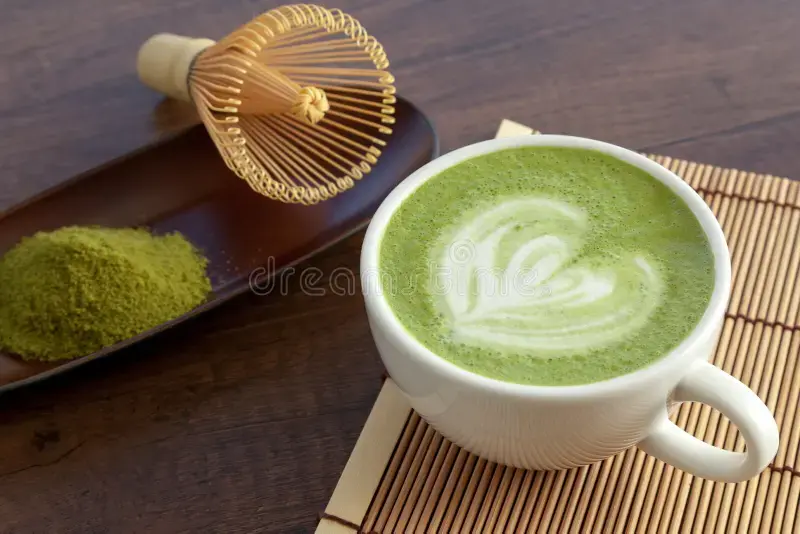
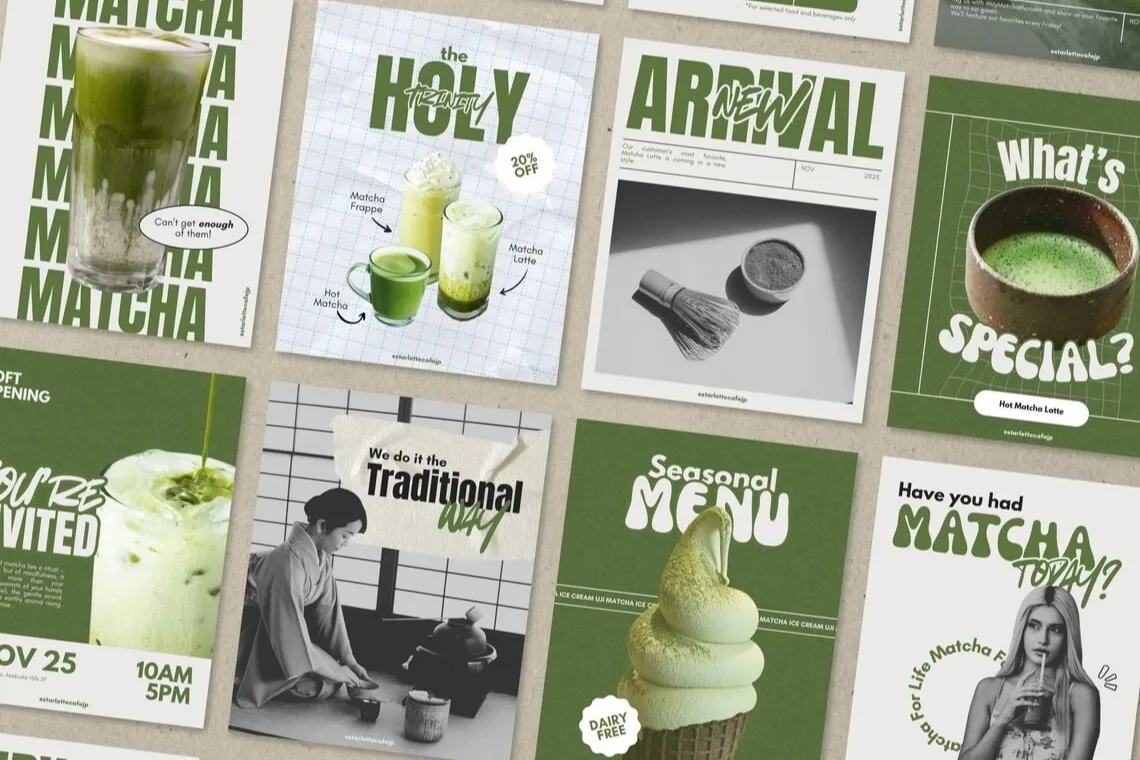
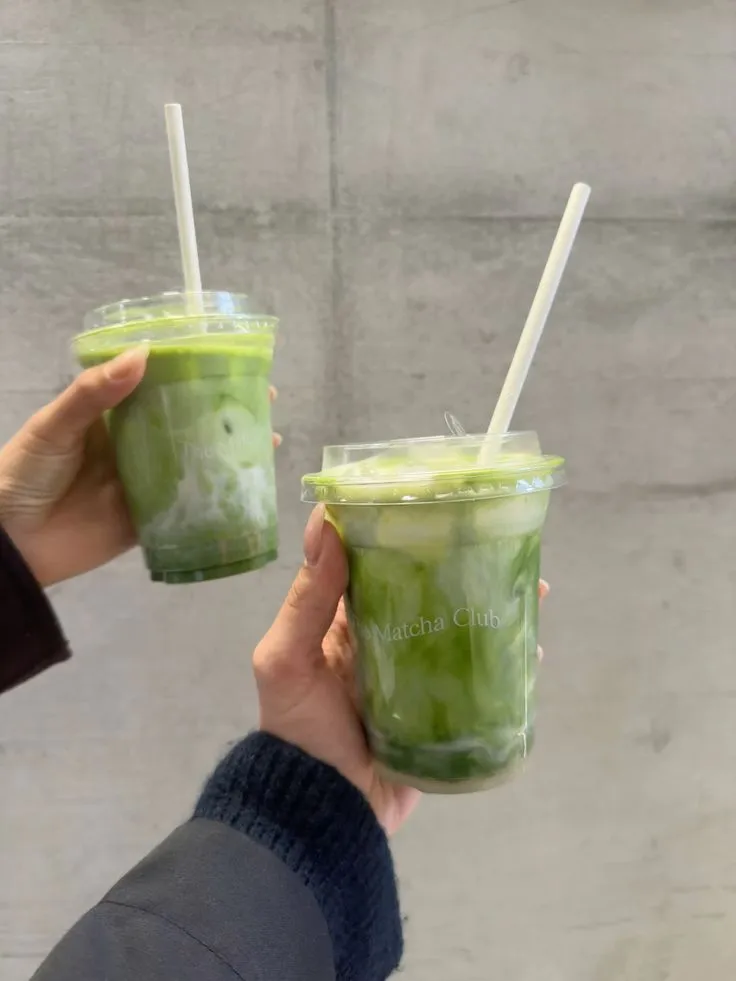
Matcha didn't just become popular - it became visually irresistible. Somewhere along the way, it turned into the unofficial drink of the "clean girl" aesthetic: soft mornings, neutral kitchens, ceramic mugs, and that unmistakable shade of green. Search "matcha aesthetic" on Pinterest, and the images almost blur into one another.
(If you've ever wondered why some aesthetics seem impossible to escape, I dive into exactly that in The Pinterest-y Way!)
That isn't a coincidence. Matcha is made for visual platforms. It's bright, minimal, and instantly recognizable, which means it catches attention long before anyone thinks about how it tastes. Unlike coffee, whose appeal is mostly sensory, matcha's first impression is often visual.
And that quietly changes the economics behind it. The product isn't just benefiting from demand - it helps create it. Every perfectly styled reel, café photo, or morning routine makes the next cup a little more desirable than the last.
Which is also why some people have started calling it performative wellness . The conversation shifts from "Is matcha good for you?" to "What does drinking matcha say about you?" Somewhere between wellness and aesthetics, the drink became a signal as much as a beverage.
The Trend Economics
Once you strip away the aesthetics, matcha turns into a surprisingly clean case study in a few core economic ideas.
Demand Creation
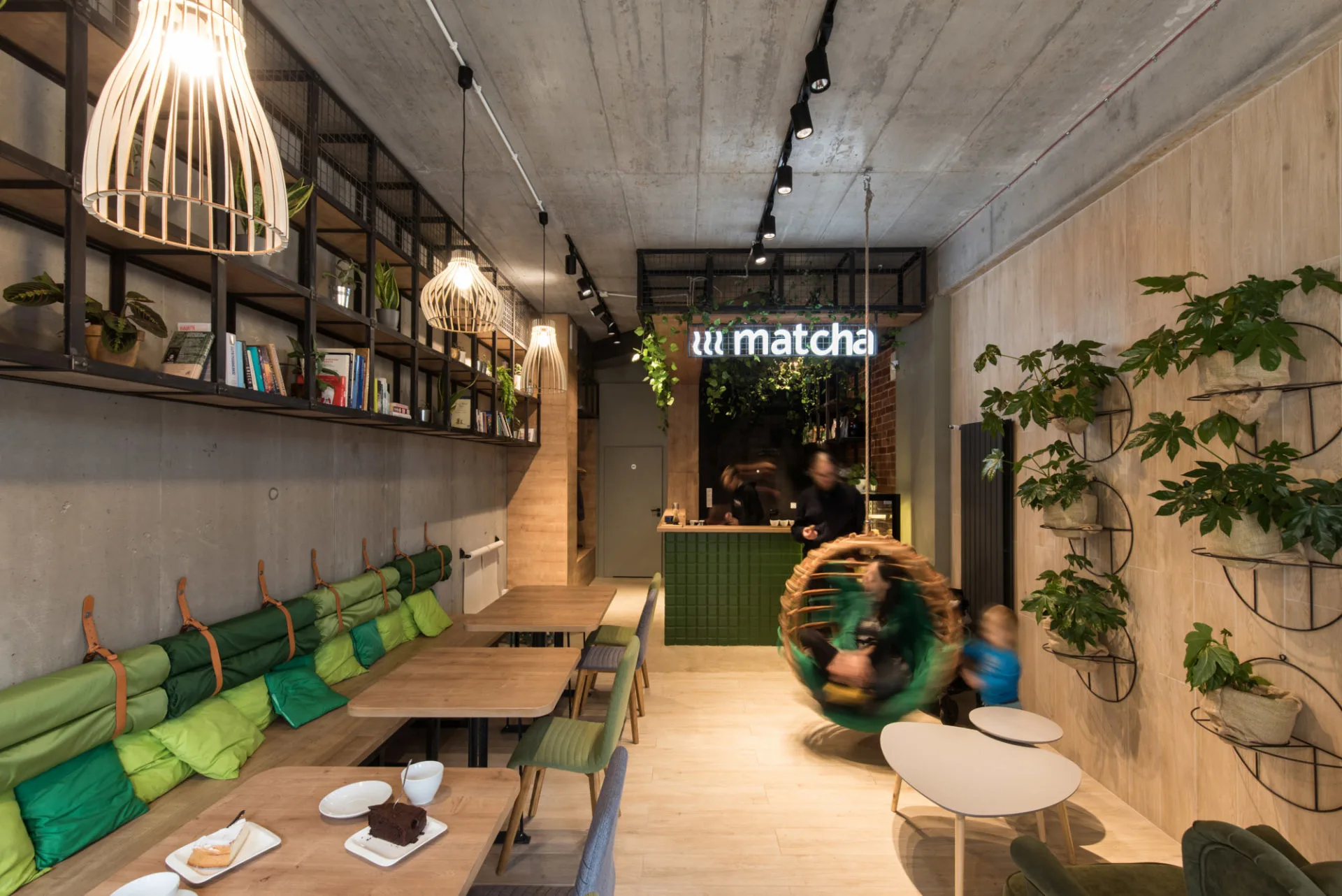
The old model was need → buy. The current model is trend → desire → buy. An influencer doesn't create a need for matcha; they create a want that didn't exist ten minutes earlier. That's demand being manufactured in real time, at scale, for free.
Veblen Goods
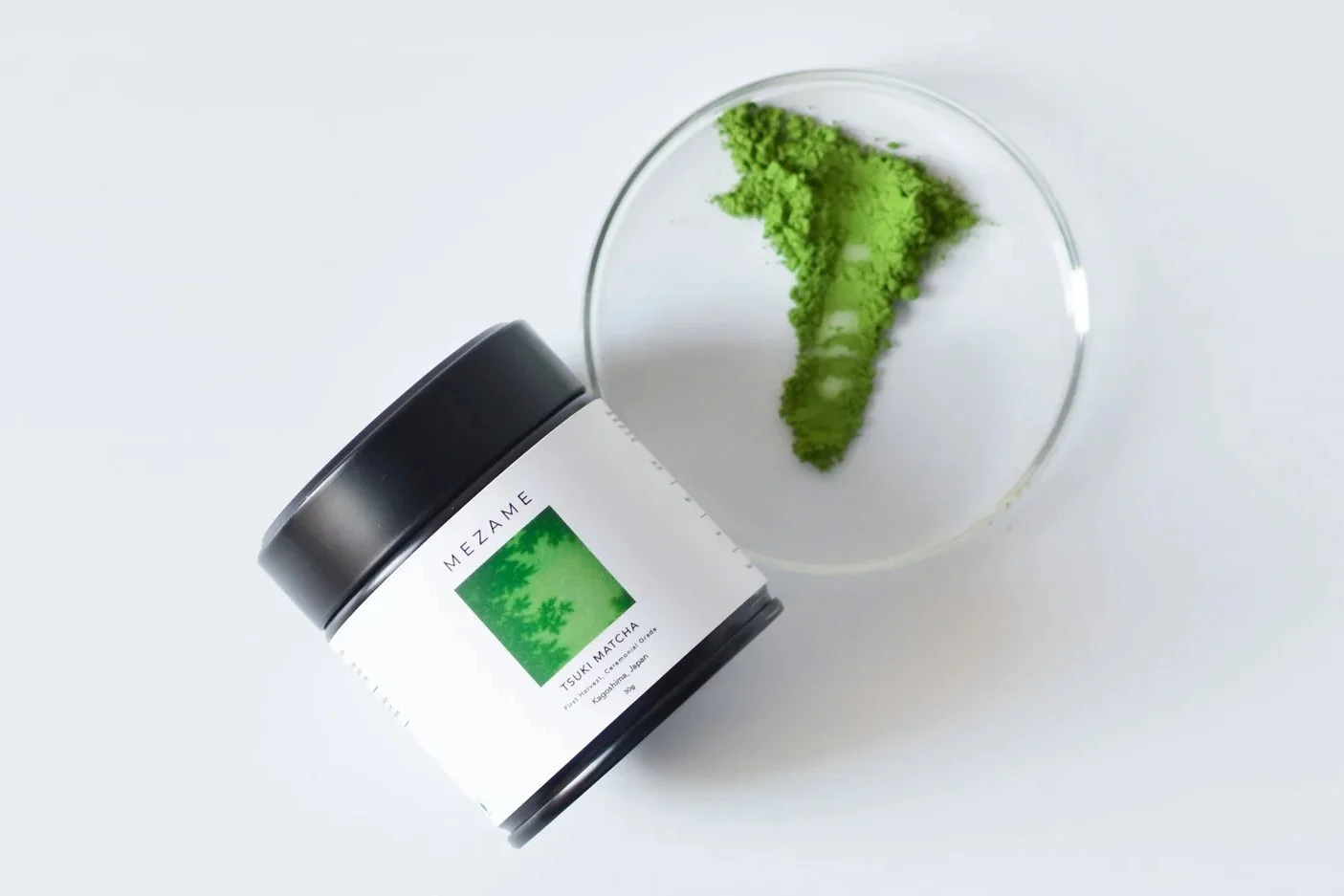
Normally, higher prices reduce demand. Certain goods break that rule - people want them more because they're expensive, since the price itself signals quality or status. Ceremonial-grade, single-origin, hand-picked matcha behaves exactly like this. Nobody needs to specify "ceremonial grade Uji matcha" the way you'd never specify the varietal of your instant coffee - the specificity is the point.
The Experience Economy
Nobody's really paying a premium for powdered leaves. They're paying for the ritual - the whisking, the bowl, the slowing down. The product is almost secondary to the experience wrapped around it, which is the same reason people pay four times as much for a "craft" version of something they could make at home in five minutes.
The Attention Economy
Bright green sells click. Clicks become shares. Shares become curiosity. Curiosity becomes sales. None of this requires the product to actually be better - it requires the product to be noticeable, and matcha, visually, is about as noticeable as a beverage gets.
The Hype i.e. Scarcity
Here's where matcha separates itself from most internet trends: this time, the scarcity is real.
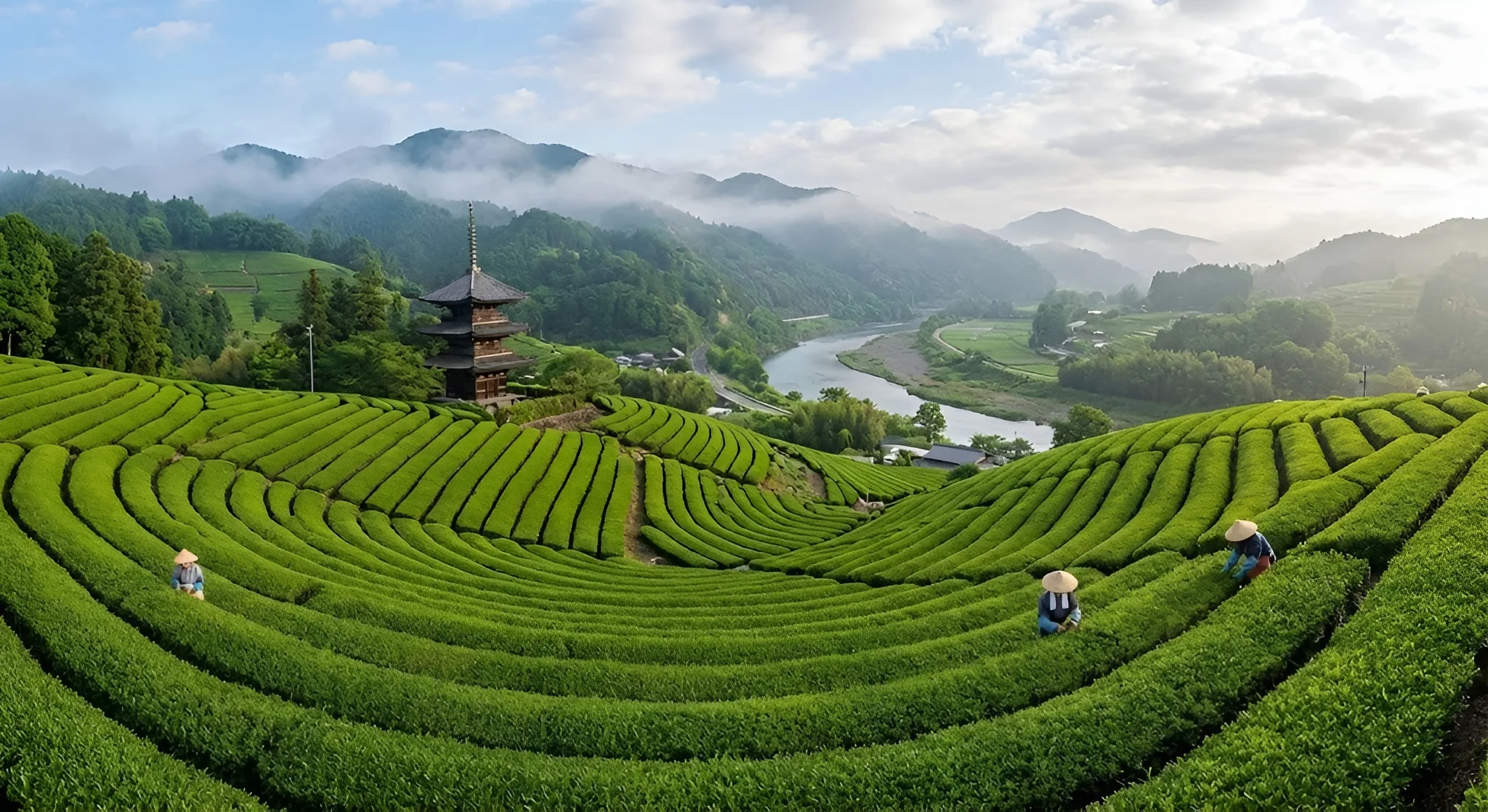
Ceremonial-grade matcha comes from shade-grown tea leaves that take years to cultivate, and only a limited number of farmers in Japan produce it at the highest quality. Supply can't simply double because demand has. It's constrained by time, land, and generations of specialized knowledge. As global demand has surged, premium matcha has become genuinely harder to find, with some tea shops even limiting purchases.
That's what makes this trend economically interesting. Unlike the Stanley Cup or Dubai chocolate craze - where manufacturers could eventually scale up production - matcha faces a real agricultural bottleneck. The hype may be modern, but the supply constraints are centuries old. When rapidly growing demand meets a supply that can't keep pace, higher prices aren't just expected - they're almost inevitable.
Psychology of “Everyone Doing it”
Even after understanding the supply story, it still doesn't fully explain why people order matcha.
Part of the answer lies in herd behavior. When enough people start choosing something, it begins to feel like the obvious choice. Every reel, Pinterest board, café menu, and friend's morning matcha ritual acts as social proof, making the trend feel bigger and more convincing than it already is. Add a little FOMO, and curiosity quietly turns into demand.
We've seen the same pattern with the rush for Dubai Kunafa and the recent Labubu craze. The more people wanted them, the more everyone else wanted them too. Matcha follows a similar path. The difference is that this time, the hype is layered on top of a product with genuinely limited supply.
What Matcha says about You?
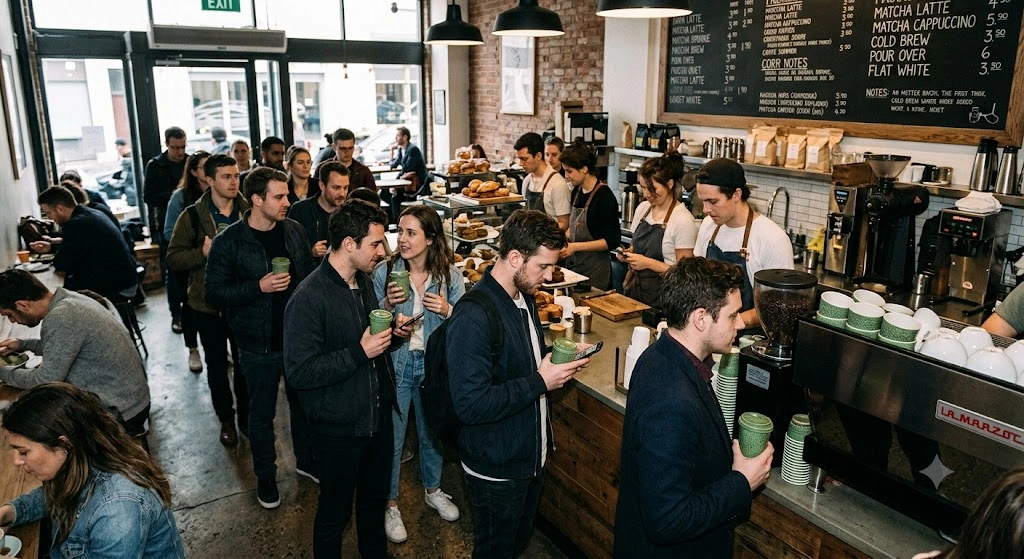
Products have always communicated identity, but matcha vs. coffee is an unusually clean contrast. Coffee has spent decades signaling "busy, fast, running on fumes." Matcha signals the opposite - calm, deliberate, put-together. Buying one over the other isn't really a taste decision anymore; it's a small, low-stakes way of telling people (and yourself) who you're trying to be that day.
That's cultural capital in action - a way of demonstrating taste, awareness, and belonging to a particular lifestyle, without saying a word.
The Pushback: Wellness or Performance?
Of course, every trend comes with its trade-offs. When a drink starts symbolizing discipline, wellness, and having your life together, it's easy for the ritual to become something we perform instead of something we experience. Sometimes the photo ends up mattering more than the moment.
That doesn't make matcha any less enjoyable. If anything, it makes it a fascinating case study in modern consumer culture. A centuries-old tea became a global lifestyle symbol through a mix of tradition, scarcity, social media, and consumer psychology. Somewhere along the way, the ritual evolved into a statement.
Perhaps that's the real irony. Sen no Rikyū imagined tea as an exercise in presence, where the value lay in the moment itself. Today, the same cup often carries value before it's even taken a sip.

It Was Never Really About the Tea
The matcha boom isn't really a story about tea. It's a story about how value gets created in a market that runs on attention, identity, and scarcity all at once. Branding, social platforms, real supply constraints, and a very human urge to belong to the same trend as everyone else - that's the actual recipe here, and it would work almost as well for any product with the right visual appeal and the right timing.
Whether matcha sticks around for good or eventually hands the spotlight to the next green, beige, or pastel obsession, it's already done its job as a case study: in today's economy, products don't just compete on quality. They compete on attention, identity, and culture - and matcha, for now, is winning on all three.
Rikyū wanted one unrepeatable moment. The internet wants a caption. Which camp are you in? Tell us below - and tag whoever's mid-whisk right now.
Why does a tiny tin of high-quality matcha cost so much?
Blame it on a real bottleneck in Japanese tea farming. Authentic ceremonial-grade matcha takes years of shade-growing and specialized knowledge to cultivate, meaning the supply simply cannot keep up with our sudden global demand. You are paying for genuine agricultural scarcity and centuries of tradition, not just marketing.
Is drinking matcha really better for you than coffee, or is it just for show?
Shift your focus from the social media aesthetic to how the drink actually makes you feel. While it does have antioxidants, the real draw is the calm, sustained energy it provides compared to the sudden crash of coffee. It has certainly become a massive symbol of wellness, but the physical benefits of slow-released energy are very real.
Can I make a good matcha latte at home without all the fancy ceremonial tools?
Grab a regular kitchen whisk or a cheap electric milk frother and go for it. While the traditional bamboo whisk is beautiful, you can still get a smooth, delicious drink using basic kitchen tools you already own. Focus your budget on getting a high-quality powder instead of stressing over the perfect setup.
Is the matcha trend just a passing fad, or is it here to stay?
Expect this one to outlive the average internet craze. Because matcha is rooted in centuries of Japanese tradition and limited by physical farming constraints, it has a stability that purely viral trends lack. The aesthetic hype might eventually shift, but the demand for high-quality matcha is built on a very real foundation.