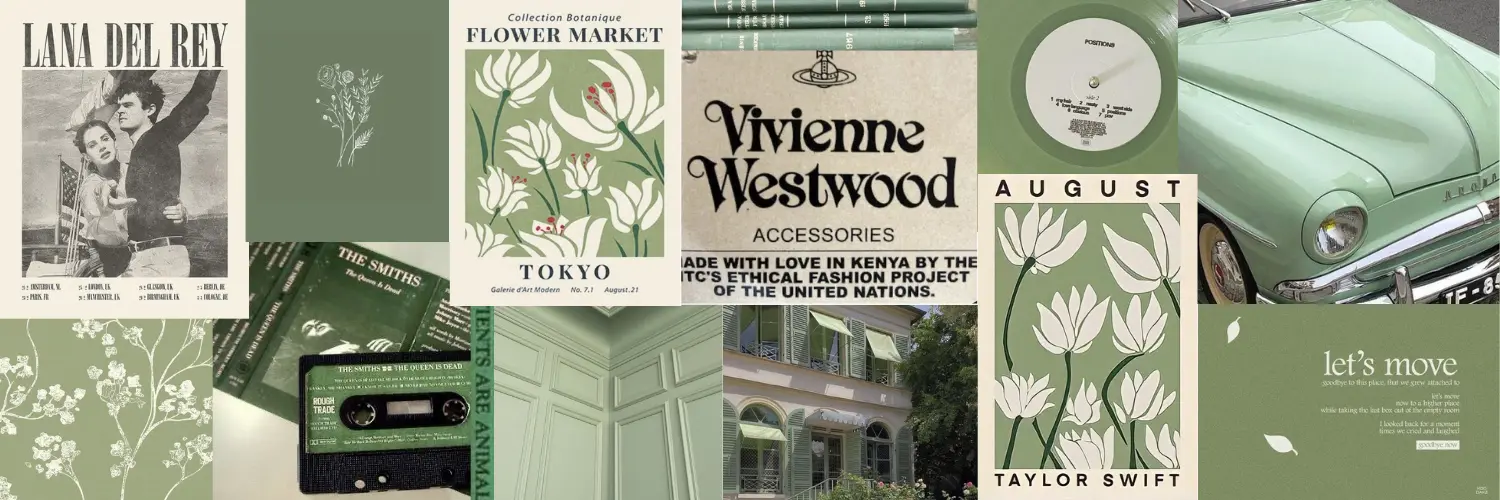
Open Pinterest for five minutes and you'll probably see the same things over and over again: beige linen bedding, a ceramic mug by the window, a perfectly messy kitchen, a bookshelf that somehow looks both full and minimal. It's all so beautiful -even I save those pins too. But somewhere between creating a "dream life" board and actually living our own lives, something changed.
Pinterest stopped being just a place to collect ideas and quietly became a place that tells us what a beautiful life is supposed to look like. Before we know it, we're not just pinning things we genuinely love - we're pinning the life we think we're meant to want. Our boards aren't just inspiration anymore. They're starting to feel like a checklist. Which makes me wonder: are we curating our Pinterest boards, or are they quietly curating us?
Do we Decorate Now?
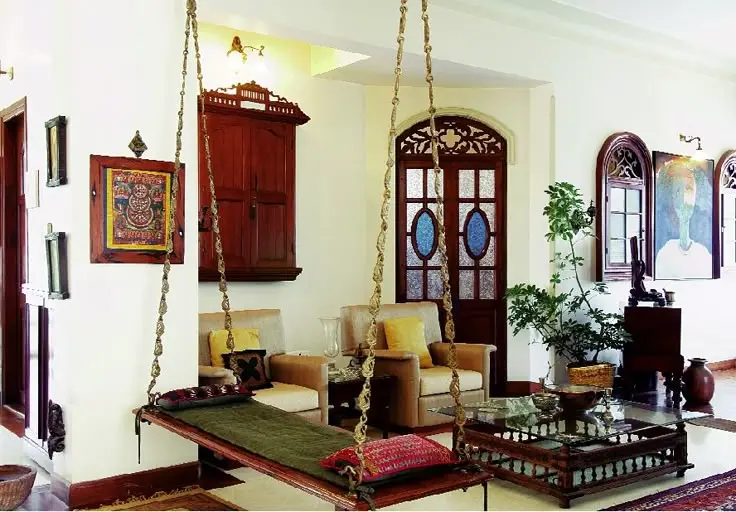
Growing up, our homes weren't designed around an aesthetic - they were built around memories. In my home, the sofas are still the ones my grandpa bought years ago, and some of our curtains were part of my mum's wedding gifts. They don't perfectly match, but they've witnessed birthdays, family dinners, arguments, celebrations, and lazy Sunday afternoons. Every object has a story before it has a purpose.
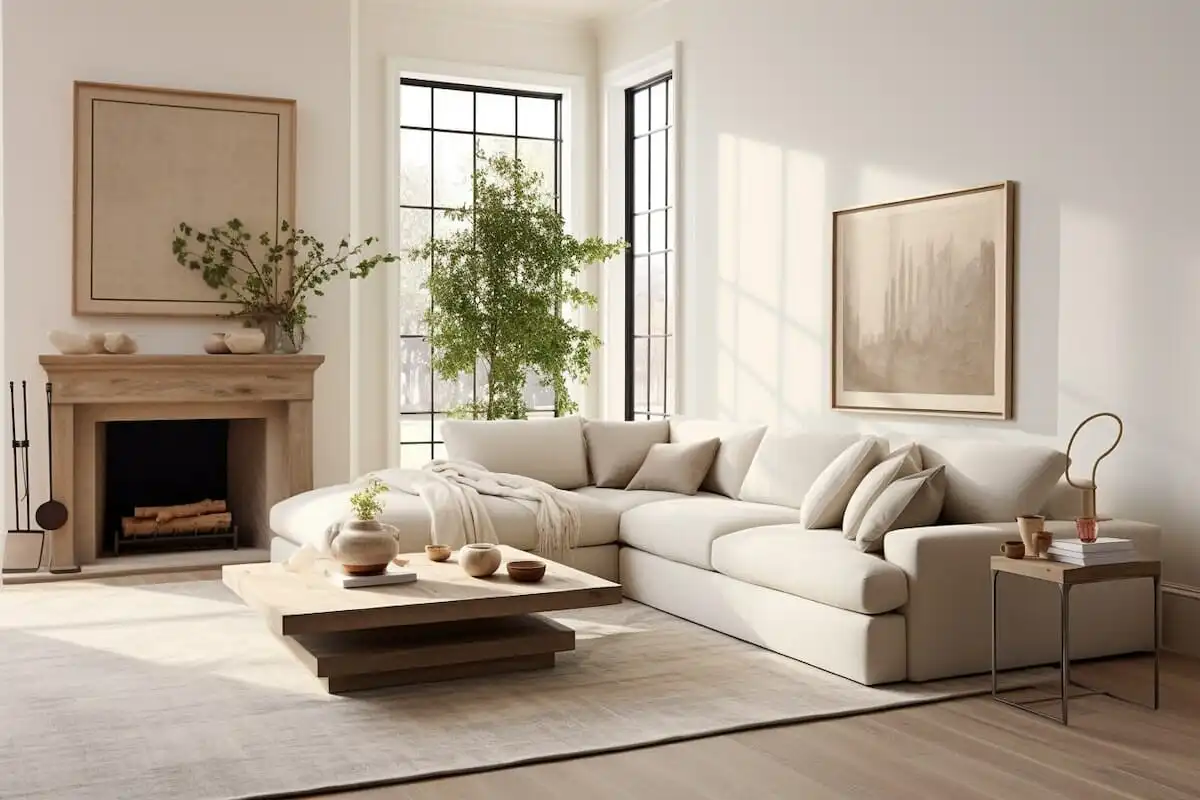
Now, it's different. Before we even move into a new place, many of us already have a "Dream Home" board waiting. We know the couch we want, the coffee table, the reading nook, even the exact morning light we hope falls through the window. Somewhere along the way, decorating stopped being about making a space feel like home and became about recreating a life we'd already pinned.
I've caught myself saving rooms I don't even know if I'd enjoy living in, simply because they looked beautiful on my screen. And I don't think I'm the only one. We're not just collecting ideas anymore-we're quietly rehearsing future versions of ourselves, one pin at a time. The home comes later. The identity comes first.
The Morning Routine
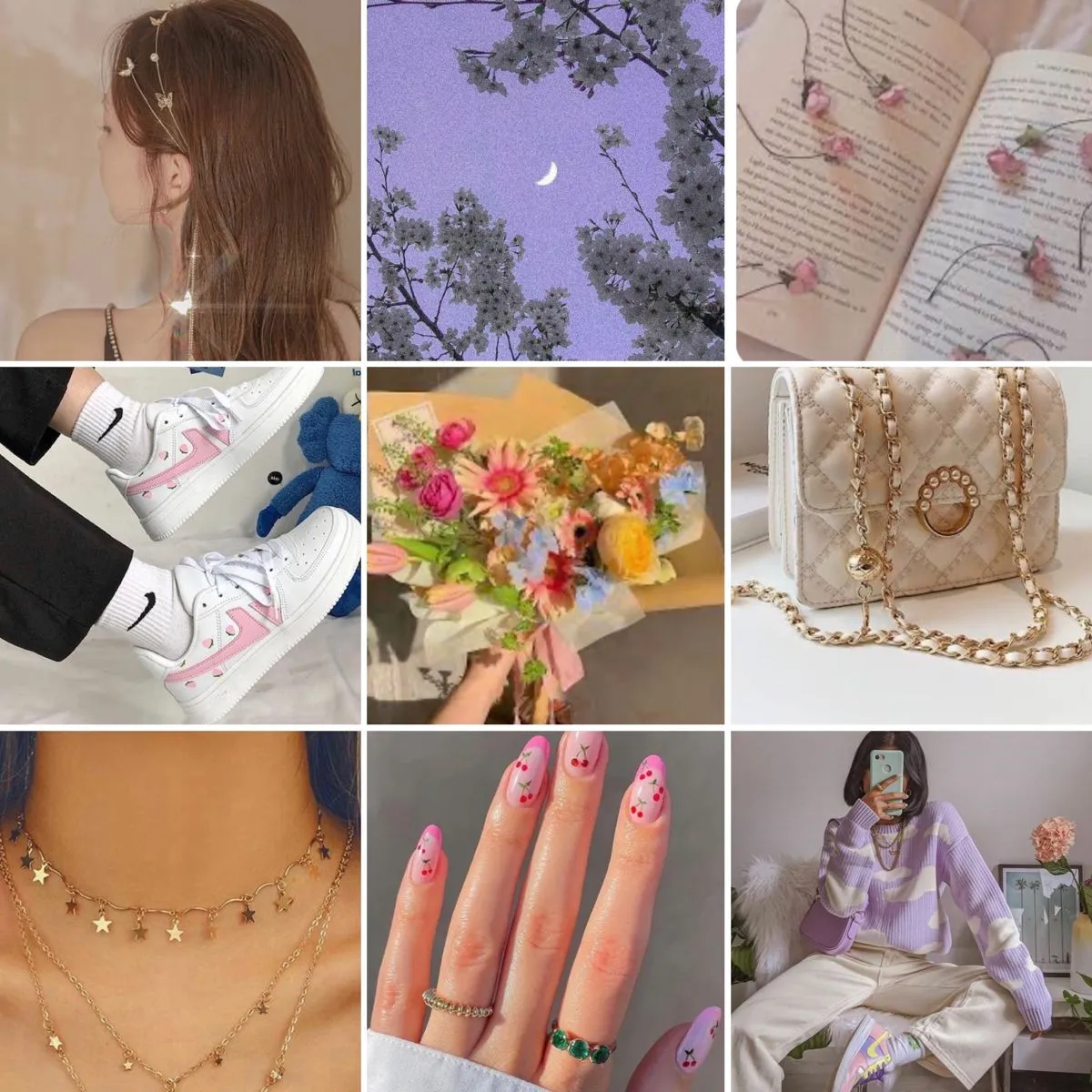
Somewhere along the way, mornings stopped being just mornings. They've become something to perfect. I can't count how many times I've saved pins of neatly made beds, coffee in handmade mugs or journals opened beside a candle. It's not that I don't want a slower, calmer morning - I genuinely do. I think most of us do. But somewhere between wanting that feeling and saving another "that girl" routine, the routine became more about how it looks than how it feels.
Economists call this shift the Experience Economy -where what we value isn't just the product, but the feeling and identity attached to it. Pinterest gave that idea a visual language: the 5 a.m. reset, the soft-girl morning, the perfectly put-together start to the day. And sometimes I ask myself whether we're living these moments because they make us feel good, or because we've already imagined how beautiful they'd look as a pin.
The Selling of the Future
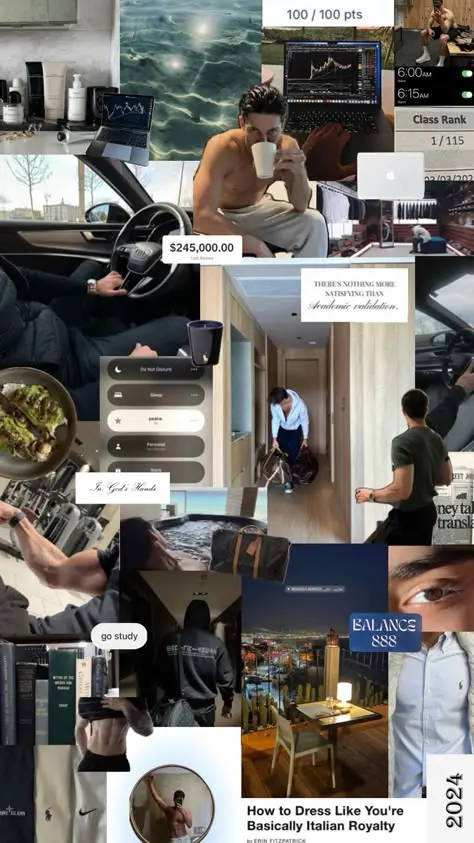
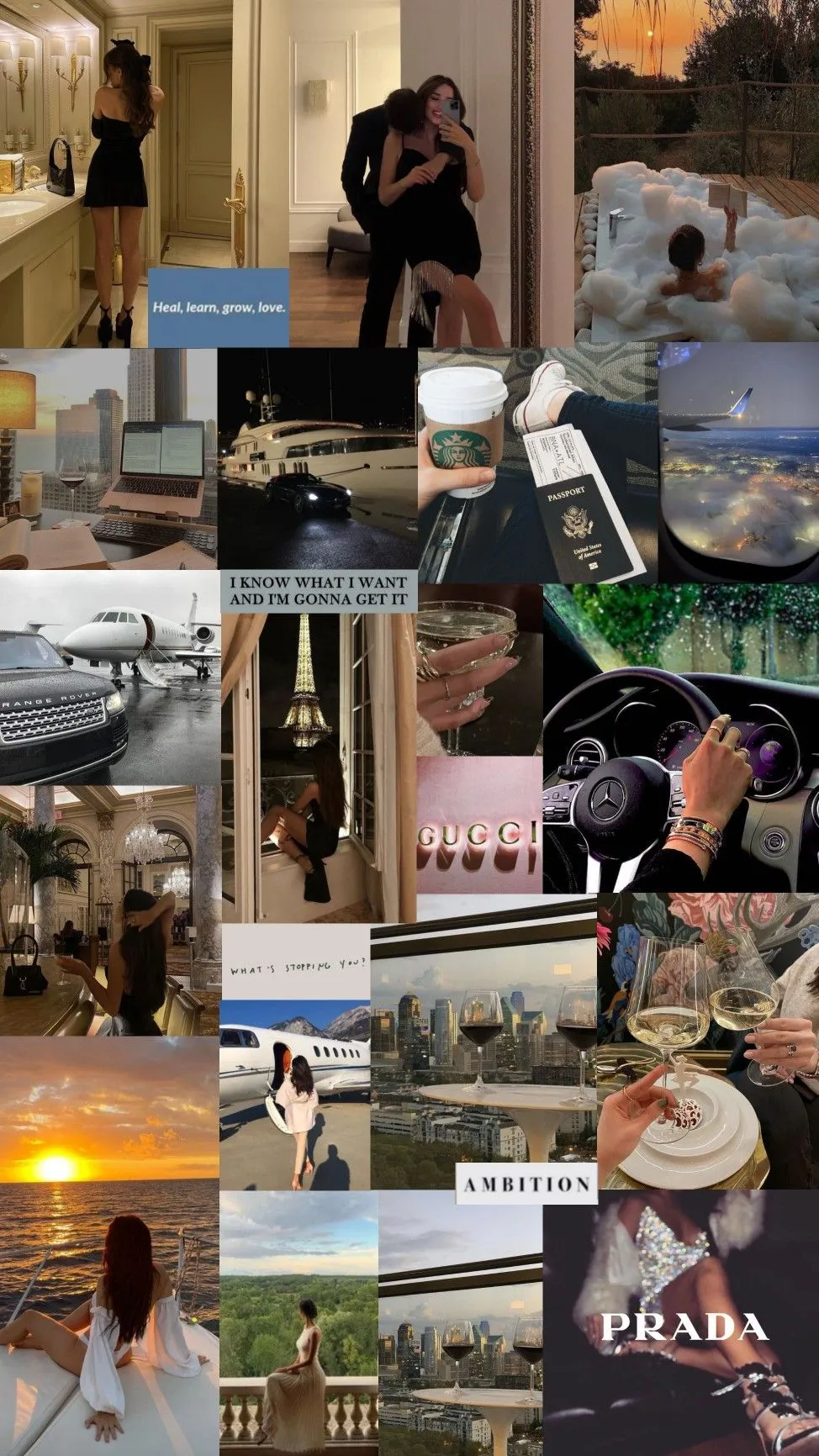
Most platforms sell you the present: what's trending, what's available right now. But Pinterest works differently. It sells you the future. A board isn't really a wishlist; it's a future self, assembled one pin at a time. People create wedding dress boards years before there's anyone to marry. They save cafés to visit in cities they haven't booked tickets to yet, outfits for jobs they haven't landed, and dream kitchens before there's a mortgage to match.
It's Identity Economics at its quietest: the purchase begins long before money changes hands. Once that future self has been imagined clearly enough-down to her kitchen, her aesthetic wardrobe, and her unbothered Sunday-the spending no longer feels like spending. It feels like catching up to yourself. A lot of money moves quietly through the gap between the imagined life and the current one. So does a fair amount of dissatisfaction, the nagging sense that your real life is just a rough draft of the one sitting in your saved folder.
Economics of Aesthetic Consumption
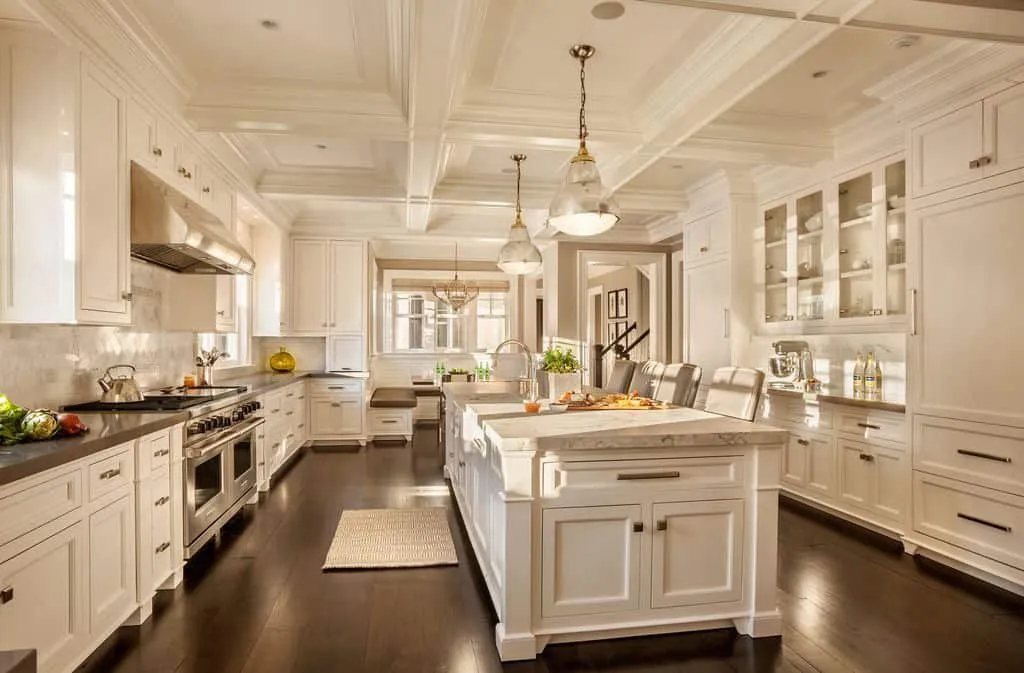
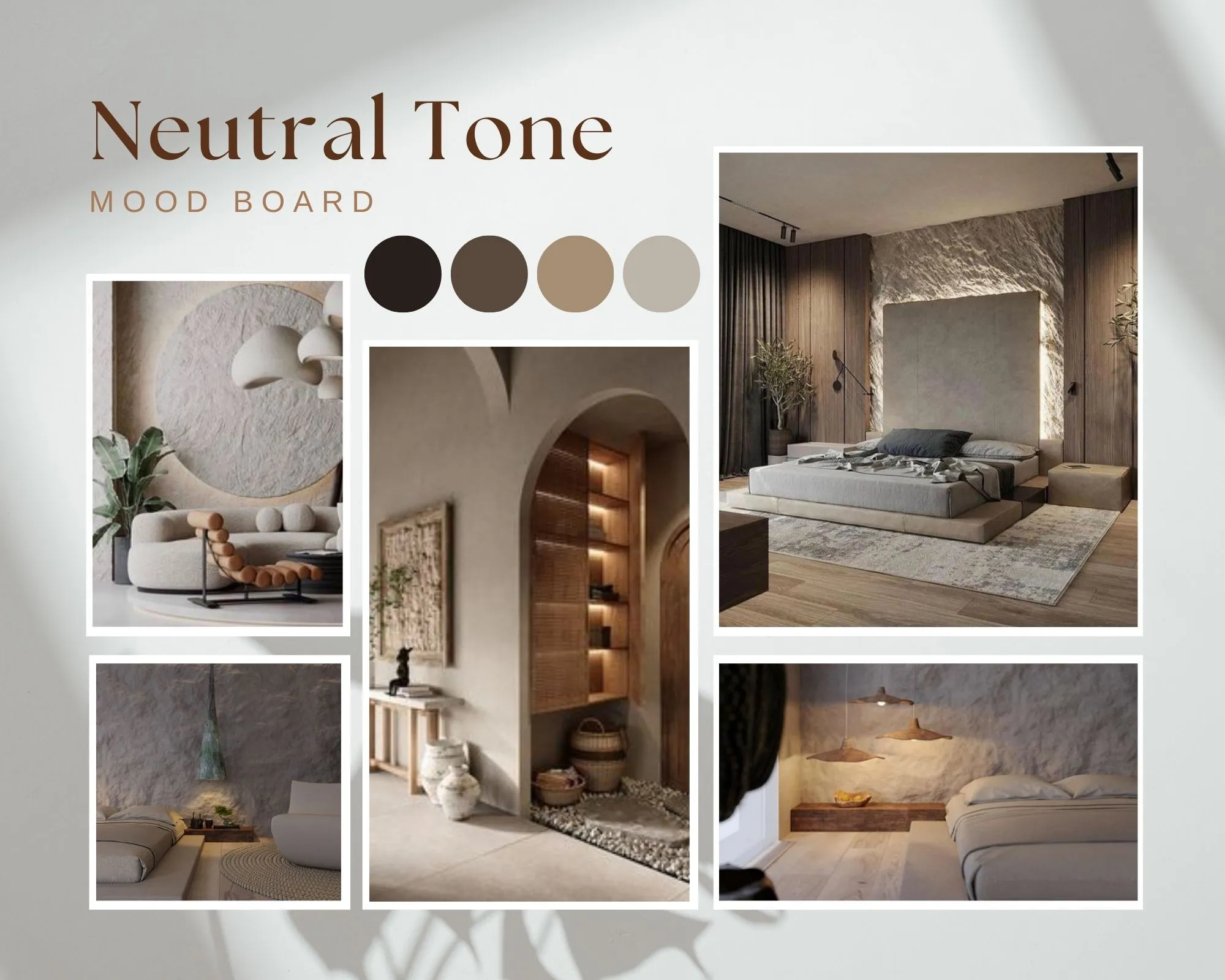
There's a reason so many Pinterest boards look alike: neutral tones, quiet luxury, linen over logos. Restraint has become its own kind of status symbol. Where showing off once meant a designer logo, today it's the unmarked tote, the unlabeled candle, the perfectly organized kitchen where nothing seems out of place. It isn't minimalism in the traditional sense-it's a different way of communicating.
Taste has become a signal of stability, education, self-control, and even class, without a single word being spoken. Looking effortless takes effort, and increasingly, it takes money too. Pinterest didn't invent this language of status; it simply gave it an endless scroll. And when millions of people keep seeing the same images, they slowly begin to share the same idea of what "good taste" is supposed to look like.
Pinterest Vs Instagram
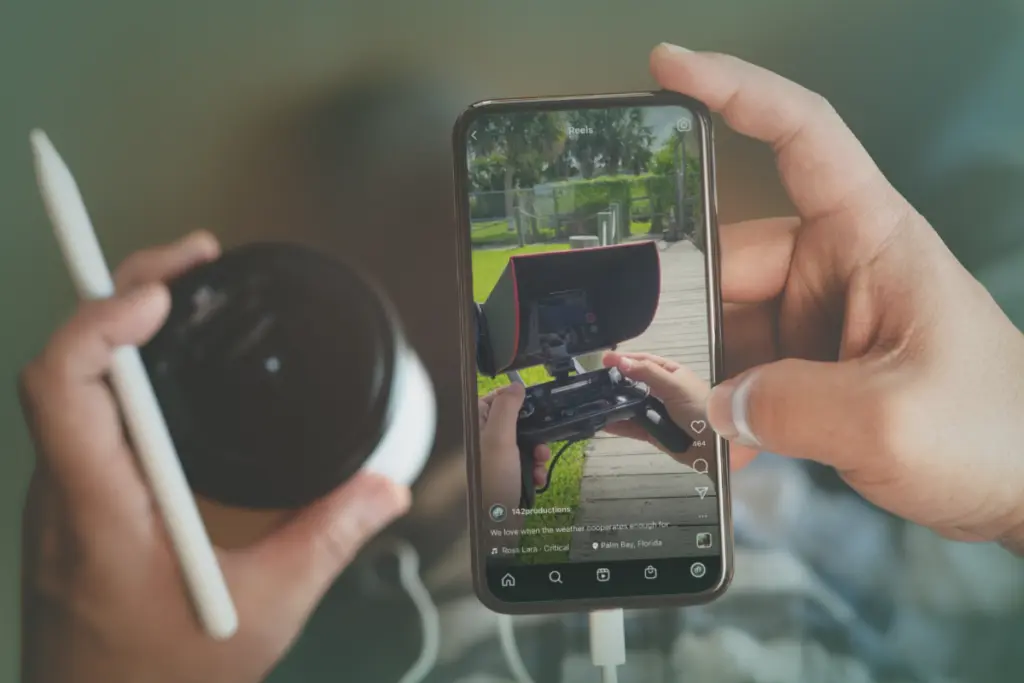
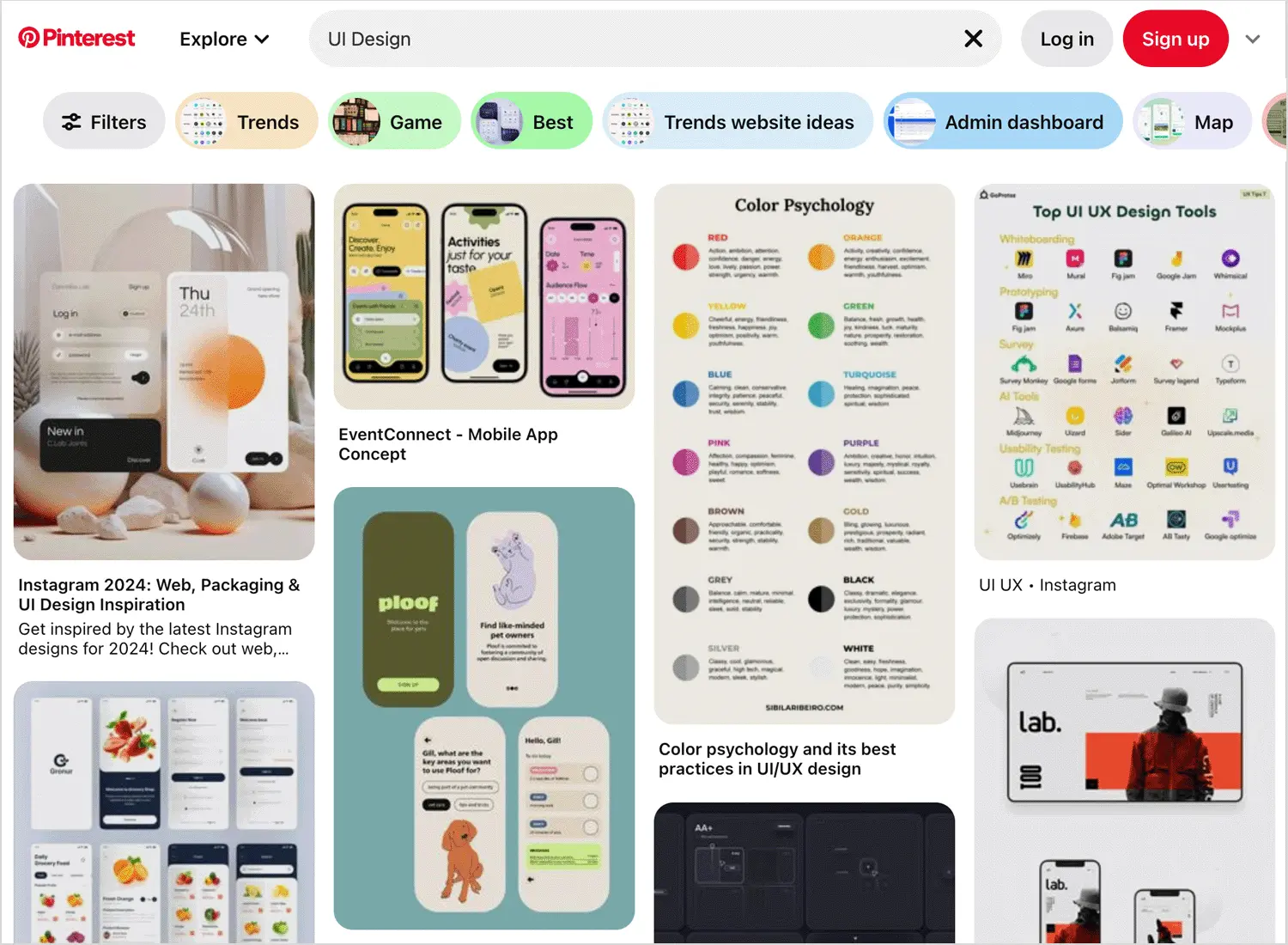
Instagram wants you to scroll. Pinterest wants you to search. That one difference changes how each app gets into your head Instagram is giving you other people’s lives which is why comparison can come in so easily. Pinterest gives you your own plans for the future, so that it feels like you’re doing something, even productive. This isn’t someone else’s vacation, you’re planning yours.
That's what makes Pinterest so persuasive. Each search is a gentle nudge toward another idea, another aesthetic, another iteration of what your life could look like. You open the app to look up a recipe, and two hours later you walk away with an opinion formed about kitchen backsplash tiles. You weren’t simply collecting ideas at some point - you were being subtly told what to want.
Is it Really our Taste?
Here's the part that's harder to sit with. The algorithm doesn't just show you what you already like-it shows you the same things often enough that you begin to like them. Pin one mid-century chair, and within a week your feed has decided that's "your style." It's less a command than a gentle nudge, shaping your choices through what behavioral economists call choice architecture. You're still choosing, but only from the menu that's been quietly placed in front of you.
Sometimes I think about the old sofas in my home-the ones my grandpa bought years ago. No algorithm picked them. No trend declared them beautiful. They became meaningful simply because they stayed. Taste once grew out of homes we inherited, the people we loved, and the memories we made around ordinary things. Now, it can grow out of repetition, with a feed narrowing our choices until the algorithm's guess feels uncannily like our own.
Conclusion
Maybe that's the real Pinterest way: not a style, but a habit of living slightly ahead of your own life. There's nothing wrong with wanting a calmer morning, a cozier home, or a kitchen you've dreamed about for years. The trouble begins when the board quietly becomes the benchmark, and the ordinary, unphotographed moments of our lives start feeling like they're somehow behind.
So I'll leave you with the same question I'm still asking myself: if no one, not even the algorithm was watching, would we still want the same things?
I don't know the answer yet. Maybe you don't either.
This was simply my attempt to make sense of those quiet forces that shape our choices without us noticing. If it leaves you questioning your own Pinterest board or even your own idea of taste - then perhaps we're both still looking for the same answer.
Why does looking at my Pinterest boards make me feel so dissatisfied with my actual life?
Focus on the things in your home that already have a story instead of comparing them to a screen. It is easy to feel like you are failing when you constantly compare your messy, real-time present to a polished, curated future. Remind yourself that those perfect pins are designed to be looked at, not actually lived in.
Is Pinterest really that much better for my mental health than Instagram?
Not necessarily, because it just shifts the comparison from other people to your own idealized future self. While Instagram makes you jealous of what others have right now, Pinterest quietly convinces you that your current life is just a rough draft. That constant pressure to catch up to an imaginary lifestyle can leave you feeling perpetually unsatisfied.
How do I figure out what I actually like versus what the algorithm is telling me to like?
Step away from the search bar and look at the objects in your life that bring you comfort without being photogenic. Pay attention to the mismatched hand-me-downs, the old souvenirs, or the colors you loved before you ever had an account. True taste is built on personal memories and daily comfort, not a repetitive feed of neutral tones.