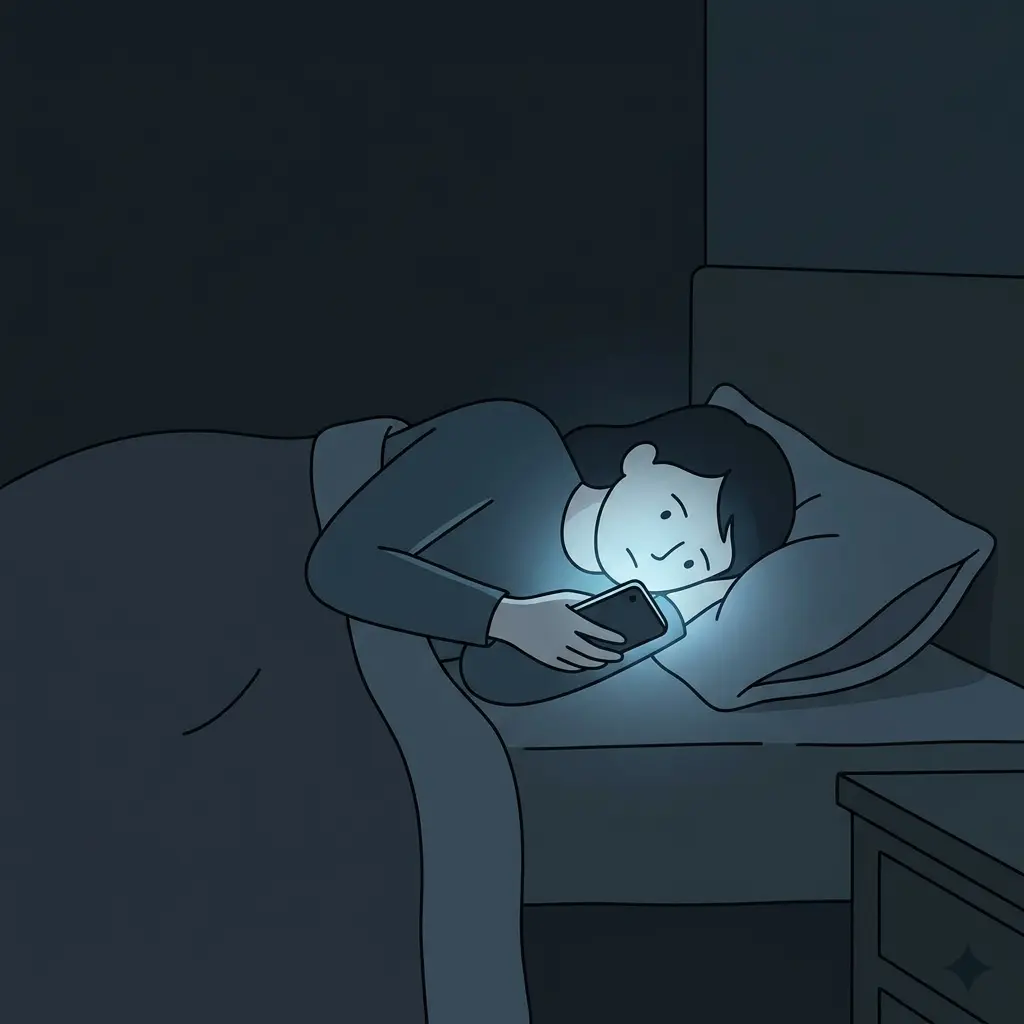
Everyone has anxiety now. It's the defining condition of our generation: discussed openly, medicated widely, and somehow still getting worse.
Nobody seems to find that strange.
Here's the question almost nobody's asking: What if some of what we're calling anxiety isn't a condition at all, but a consequence?
Not every case. Not even close. Clinical anxiety is real, serious, and deserves proper care. But enough cases overlap with our daily habits that the question is worth asking.
It might not be a chemical imbalance. Sometimes it's just what a human brain feels like when it never gets to be bored, never gets to sit in silence, and hasn't built anything with its hands in years.
The Symptom Nobody's Comparing
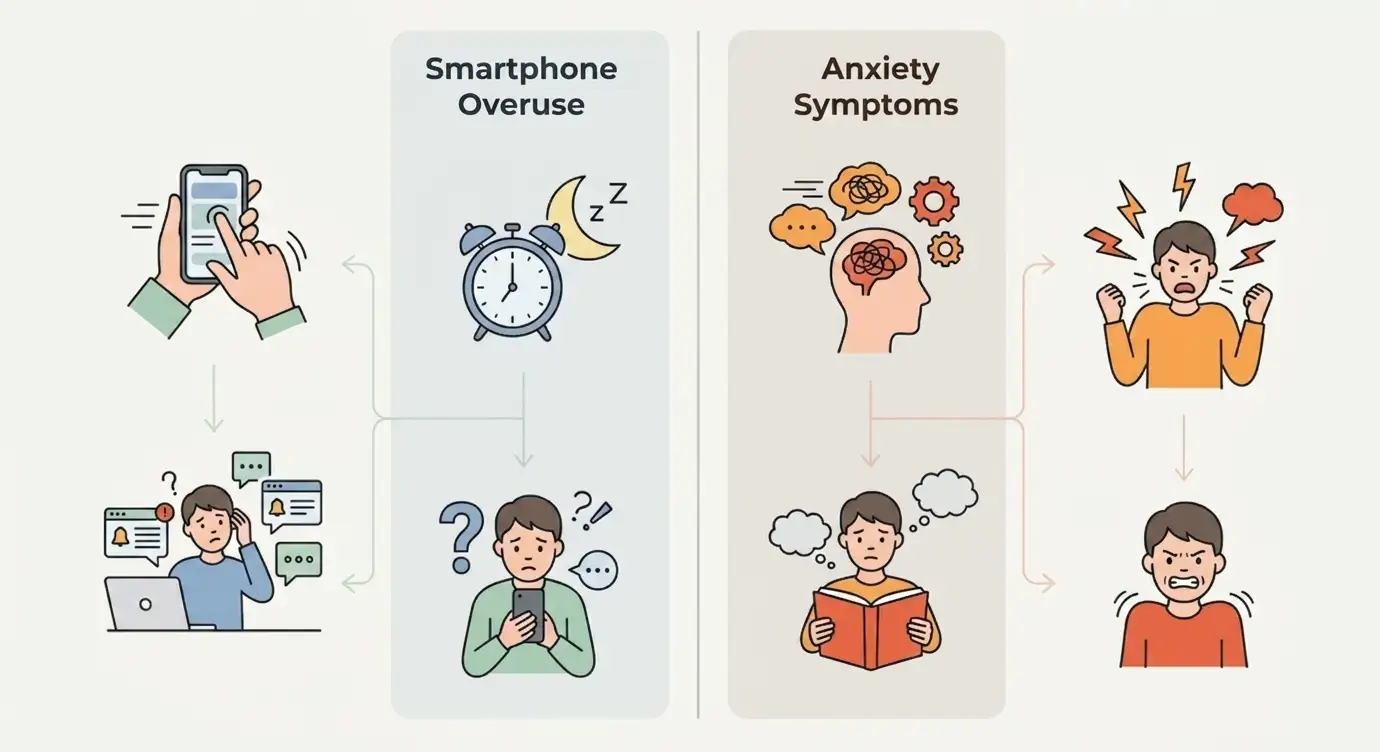
Look up generalized anxiety symptoms, then look up smartphone overuse symptoms.
The overlap is uncomfortable:
- Restlessness
- Irritability
- Fractured attention
- Sleep disruption
- Constant anticipation
- Difficulty concentrating
We noticed the symptoms and rushed to treat the feeling before asking what environment might be producing it in the first place.
Because if your brain spends all day switching contexts, checking signals, anticipating notifications, and scanning for cheap stimulation, feeling permanently on edge starts to make a lot of sense.
Not because you're broken.
Because your nervous system is doing exactly what it evolved to do.
Boredom Wasn't Always The Enemy
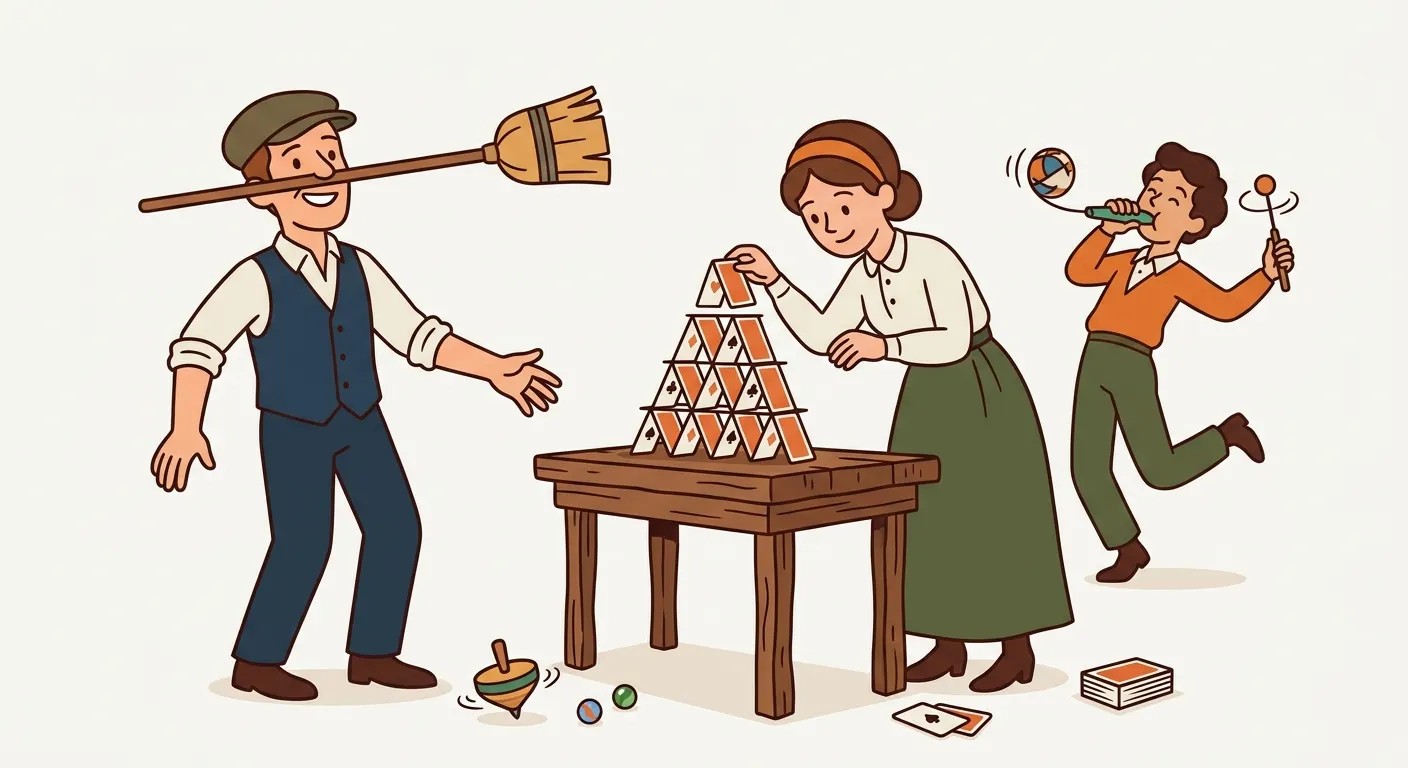
For most of human history, boredom wasn't an emergency. It was useful feedback.
Sit with it long enough and it pushed you somewhere: toward a problem worth solving, a skill worth learning, or a conversation worth having. Discomfort had a purpose. It was the brain's way of saying, something here needs attention.
Somewhere along the way, we started treating discomfort like a malfunction.
Now there's always an easy escape route. An app. A short video. A fresh feed. A endless list of diagnoses that lets us label the feeling without ever sitting with what it's trying to tell us.
We got so good at managing discomfort that we stopped asking why it showed up in the first place.
A generation that never learned how to be bored became a generation that doesn't know what to do with itself the moment the screen goes dark.
That may not be anxiety.
Sometimes, that's withdrawal.
The Psychology Nobody Talks About
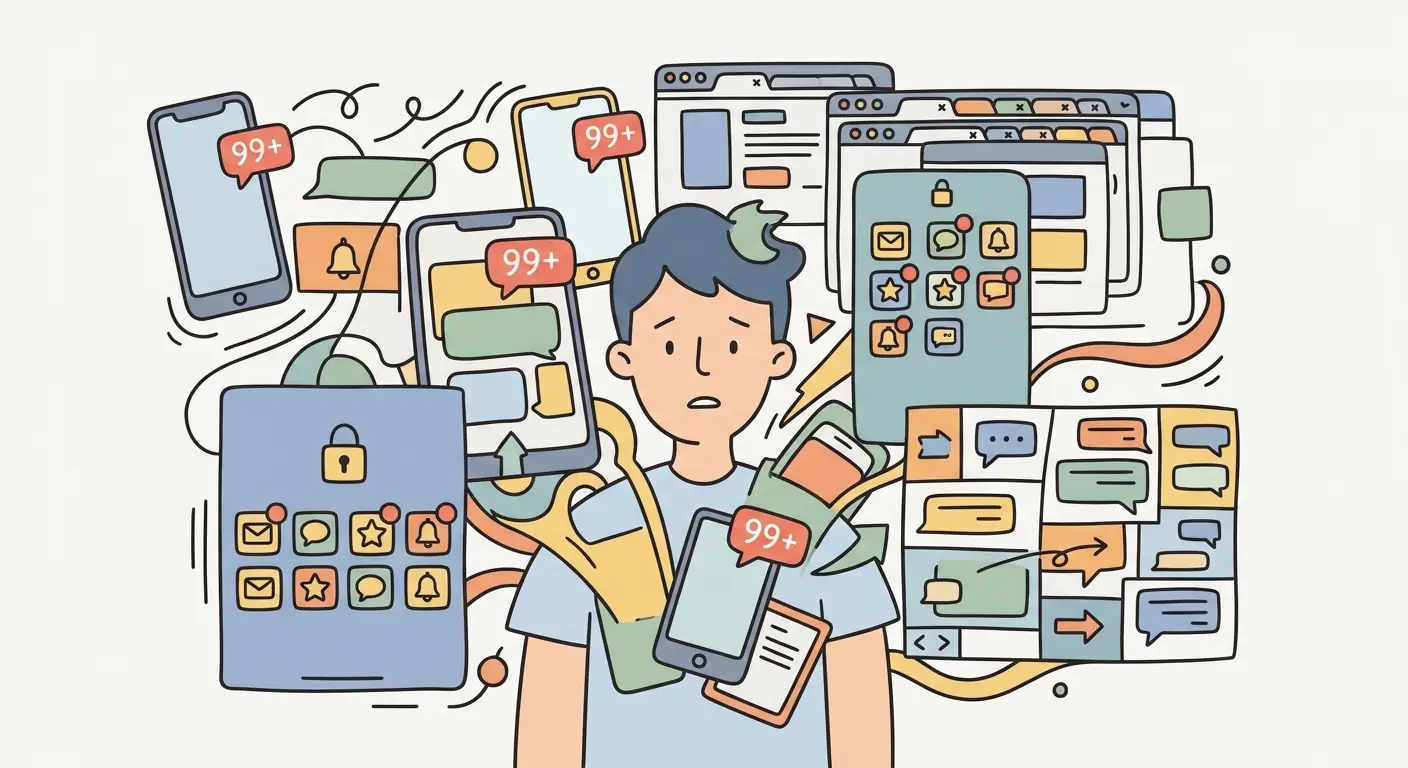
Psychologists often talk about how unfinished tasks hog our mental bandwidth, clinging to our subconscious until they get resolved.
When something feels incomplete, your mind holds onto it, keeping it active in the background.
Your phone creates dozens of those open loops every hour:
- A notification you left on read
- A text message you meant to answer
- A article you half-read
- An argument in a comment section that follows you into bed at 11pm
Your nervous system wasn't built for forty unresolved signals running simultaneously. So it stays switched on. It manufactures urgency. It keeps scanning.
And eventually, that constant background noise starts to blur into general anxiety. But there's a quieter problem underneath that too.
We are wired to need mastery. Not productivity, not optimization, just the feeling of becoming genuinely better at something tangible. Something with real feedback, where failure is immediate and progress is visible:
- A new language
- A recipe you keep tweaking
- A sport you're embarrassingly bad at
- An instrument
- Anything that reminds you improvement still exists outside a display
When that feeling is missing, the mind doesn't go quiet.
It goes searching.
A System Perfectly Designed To Keep You Stimulated
This doesn't require a grand conspiracy. Just basic incentives.
Billion-dollar industries now exist around capturing attention, engagement, and emotional regulation. Tech platforms compete to keep you scrolling, while wellness brands compete to sell you relief for how overwhelmed you feel afterward.
None of that means therapy is fake. None of it means anxiety isn't real.
But incentives shape our world.
And there isn't much financial reward in telling someone to sleep consistently, put their phone away after 9pm, learn to cook, join a local run club, or spend six months being awful at guitar.
Those solutions are ordinary. They are slow, and they take real effort.
Most importantly, they don't fit neatly into a recurring subscription model.
The Part I Won't Pretend Isn't True
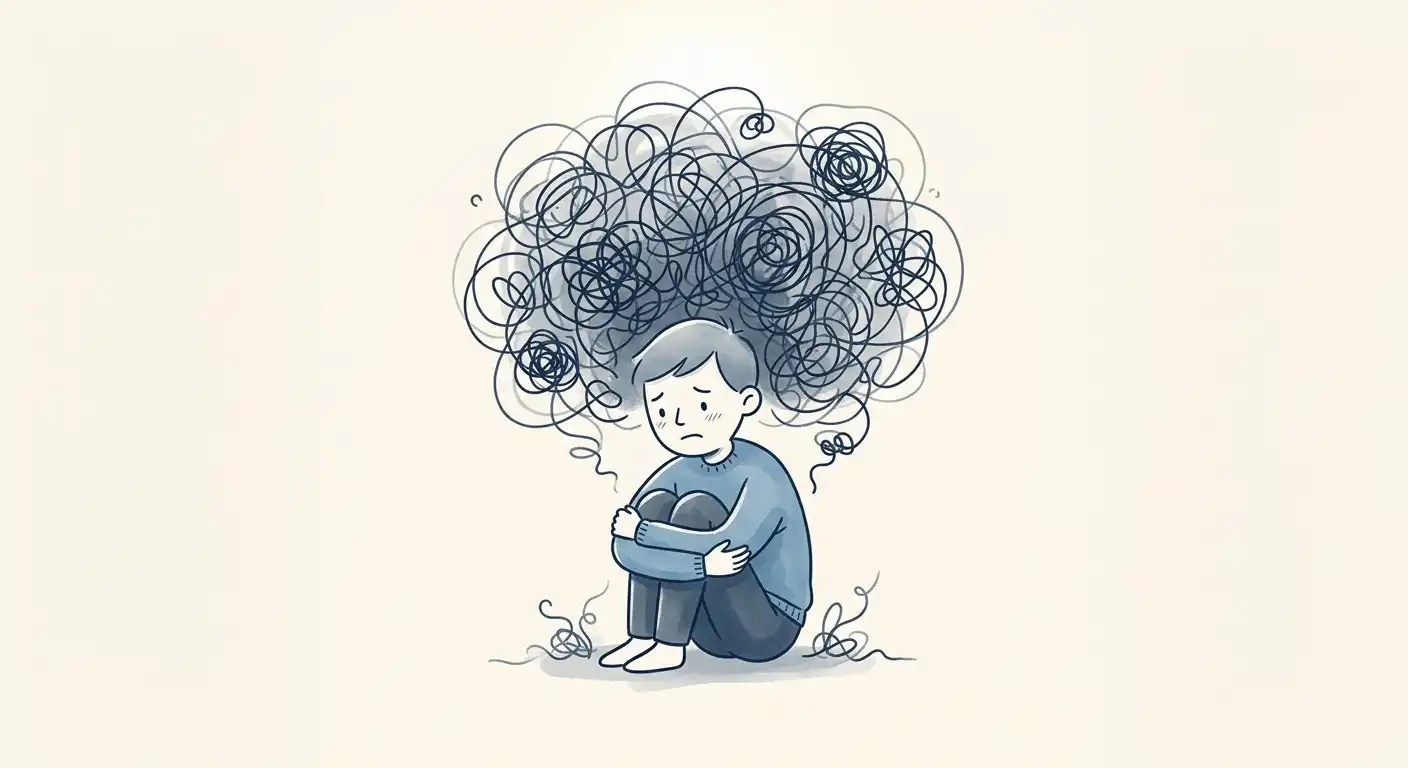
Clinical anxiety exists and can be debilitating.
This isn't about that.
This is about the much larger group of people who were functioning fine, haven't experienced major trauma, and yet suddenly feel perpetually exhausted, restless, distracted, and vaguely terrible.
Sometimes something deeper is going on. But often, the answer is far less mysterious:
- You're overstimulated
- Under-rested
- Chronically distracted
- And completely disconnected from anything you're proud of making
That's not a medical condition.
That's a lifestyle.
And that distinction matters, because a lifestyle is far more changeable than you think.
Why We Don't Fix It Anyway
The habits that reliably help us feel better, like regular exercise, creative projects, good sleep, and real face-to-face conversation, all share one thing in common:
- They require you to be bad at something before you get good at it
- They move slowly
- They're uncomfortable at first
- They don't give you a dopamine hit on day one
Your phone rewards you in thirty seconds. Of course we reach for it. That's not a character flaw.
The human brain naturally follows the path of least resistance, and an entire digital economy was built specifically to exploit that trait.
The tragedy isn't that we're inherently anxious.
It's that the things most likely to help feel boring at the start, and we've spent years making boredom feel unbearable.
Ask yourself this question:
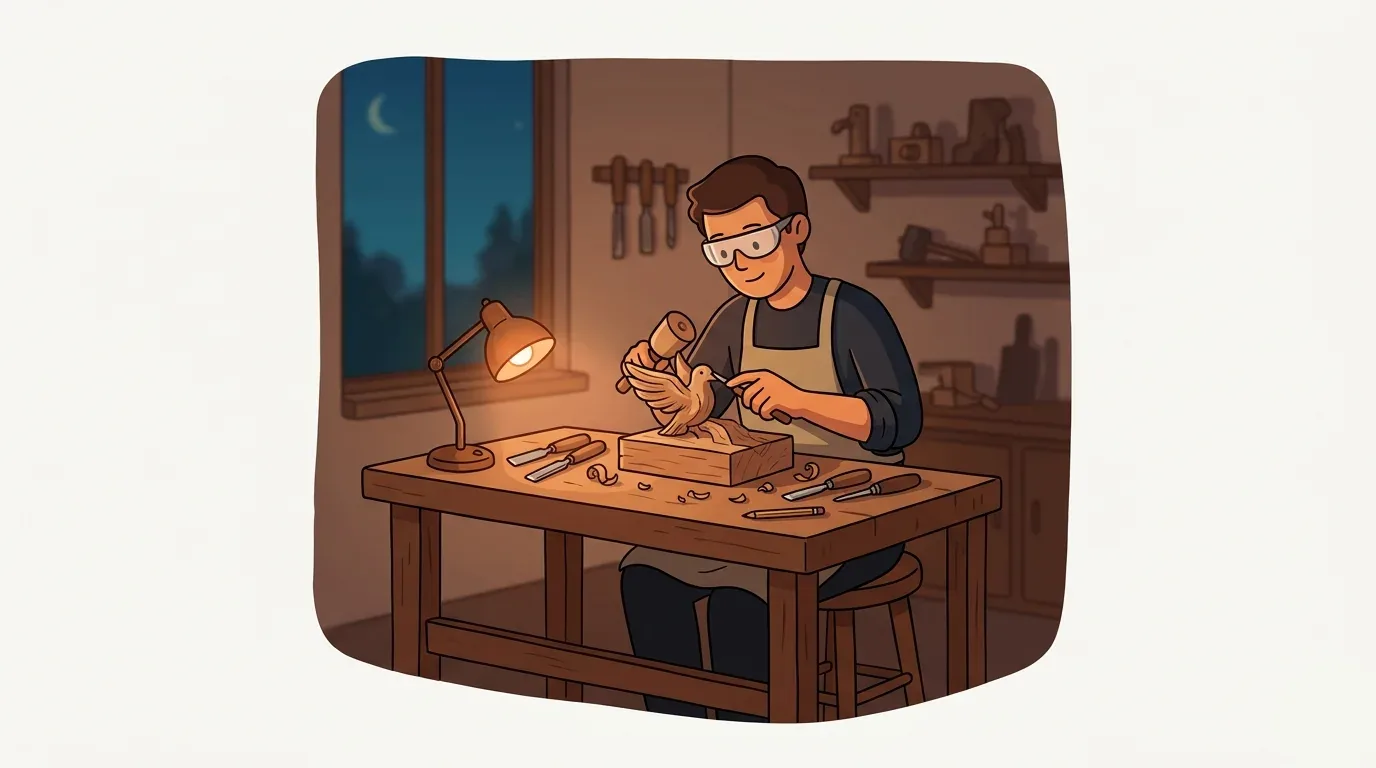
When was the last time you spent an hour doing something you were genuinely trying to get better at?
Not consuming content. Not optimizing a workflow. Not journaling about the life you wish you had.
Just quietly making something, with nothing to show for it yet.
That initial wave of discomfort you feel when sitting down to do it? That might not be anxiety either.
It might just be the beginning.
Why do I feel so incredibly anxious the second I put my phone down and try to sit in silence?
Think of it like withdrawal rather than actual anxiety. Your brain is used to a non-stop flood of dopamine, so when you suddenly cut it off, your nervous system panics and demands that easy stimulation back. If you sit with that discomfort for just ten or fifteen minutes, the restlessness will naturally start to fade.
How am I supposed to start a new hobby when I'm already too exhausted from work to do anything but scroll?
Pick something tiny and low-pressure that doesn't feel like a second job, like trying a basic recipe or sketching for ten minutes. The goal isn't to be productive or perfect, but to give your brain a break from the constant feed of other people's lives. You actually get energy back when you build or create something with your own hands.
How do I know if I have actual clinical anxiety or if my phone is just ruining my attention span?
Start by doing a digital detox for a week to see if your baseline stress levels and sleep begin to improve. Clinical anxiety is deeply rooted and often requires professional therapy, whereas lifestyle-induced anxiety will lift dramatically when you stop checking notifications and start sleeping better. If you cut the screen time and still feel overwhelmed, that is your cue to talk to a doctor.