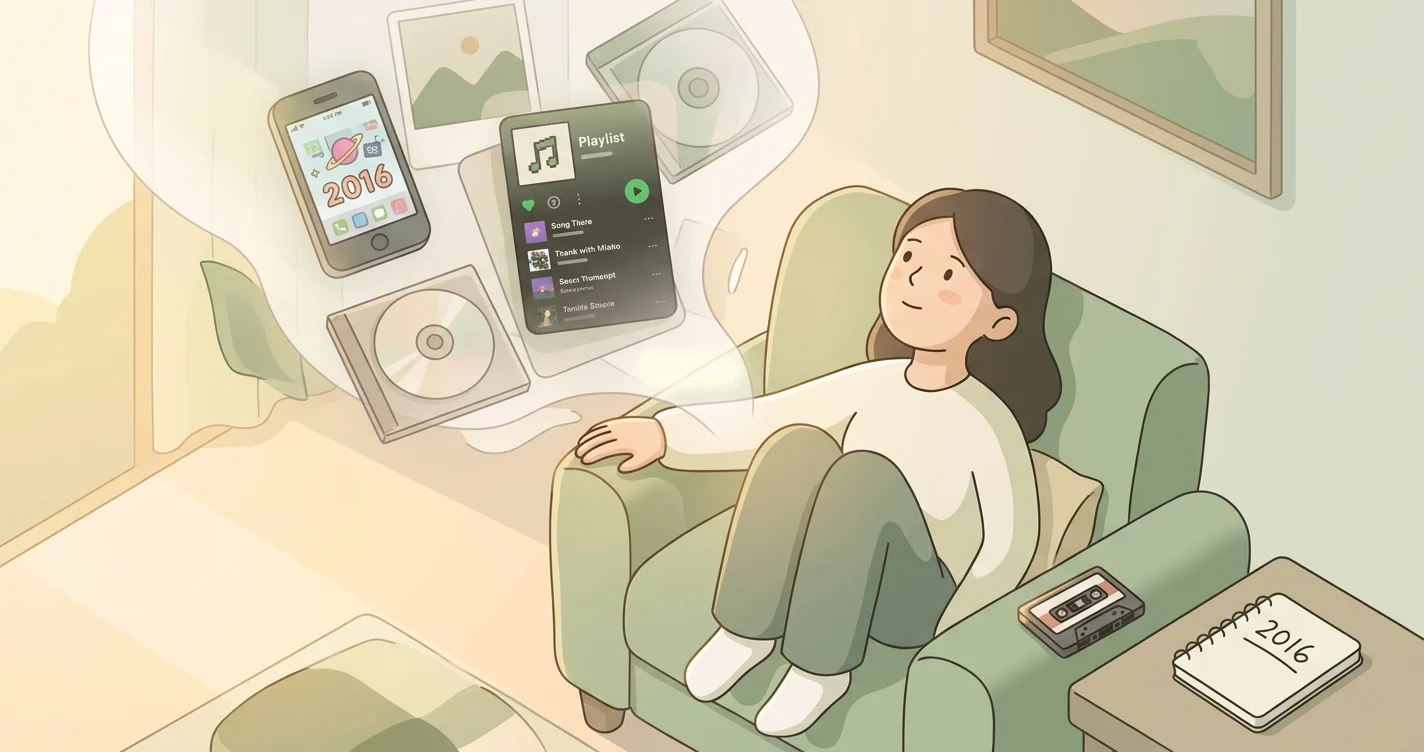

Ever tried explaining your nostalgia to someone who wasn't even there in 2016? Yeah, they just blink and walk away. Most people treat the past like something distant and untouchable. But here's the truth: the past is everywhere. In the songs you're re-watching, the shows you're binge-revisiting, the playlists you can't stop scrolling through. Understanding why 2016 keeps calling you back isn't about being stuck in time or giving up on the present. It's about decoding what your brain is actually telling you. After all, if the world had once valued memories over moments, maybe we'd all be living in the past already. And that's a choice we're all making right now, whether we notice it or not.
Sneaking Into Your Day
Nostalgia is everywhere in 2026, and it's not a coincidence. When you scroll through TikTok and see a 2016 aesthetic, or when Spotify recommends that one Troye Sivan song you haven't heard in years, there's an unspoken pull happening. It's like gravity for your emotions, and honestly? Most of us don't even realize we're falling.
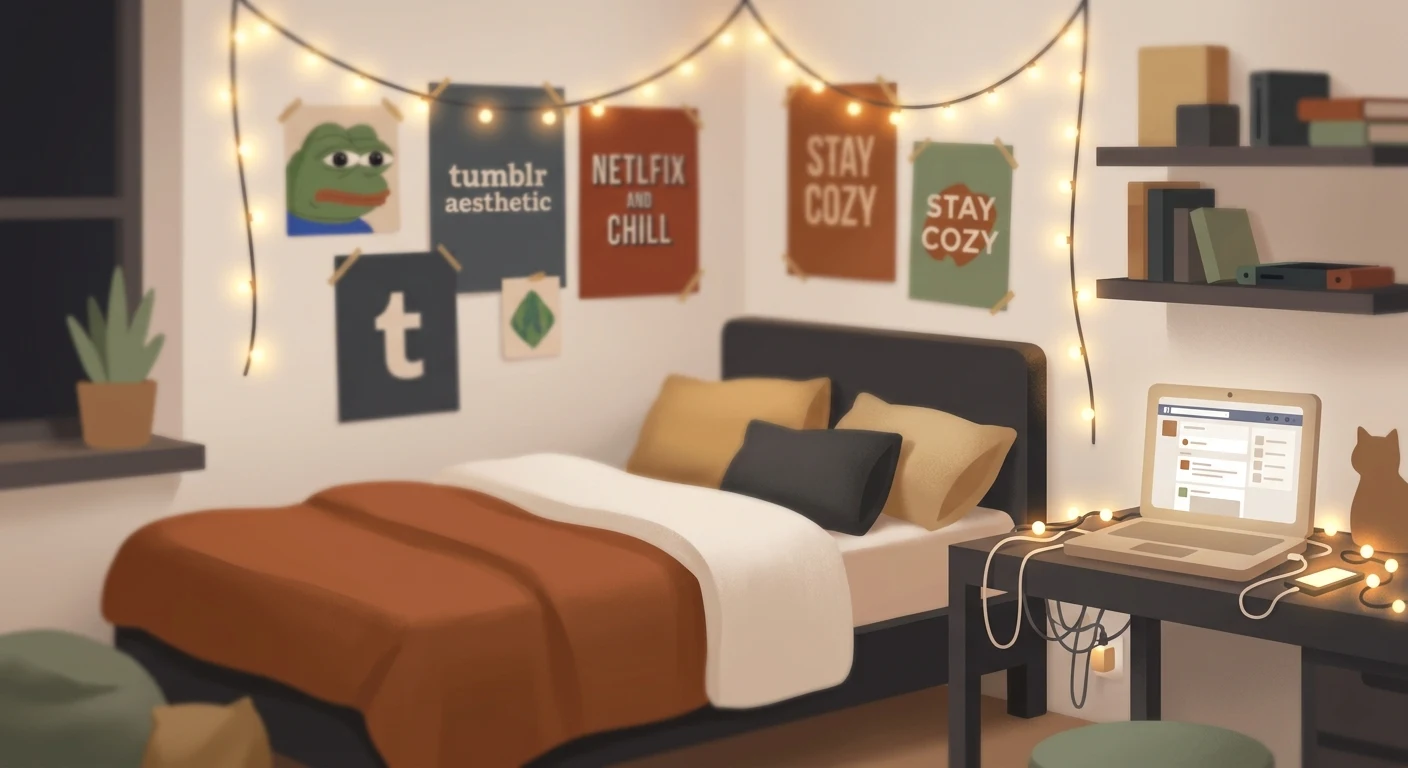
Think about it. 2016 was a specific kind of year. The internet still felt like it belonged to regular people. YouTube was chaotic and earnest. Fandoms were enormous and weirdly intimate. The cultural energy was messy and loud and somehow low-stakes in a way that feels almost impossible now. If you were 10 to 16 back then, you were absorbing all of that without really choosing to. It went in before you had filters for it.
Now, in 2026, the present is a lot. The news cycle is relentless. The pressure to perform your identity online is exhausting. The sense that every year is heavier than the last? Yeah, that's real. Nostalgia almost always spikes when the present feels like too much to hold. Your brain didn't randomly decide to bring back 2016. It went looking for relief and found a year that felt easier, even if it actually wasn't.
The Brain's Beautiful Lies
Here's where it gets interesting. Memory is not a recording. It is an edit.
Every time you recall something, your brain reconstructs it slightly. Keeps the emotional tone. Softens the rough edges. The awkwardness fades. The boredom disappears. What's left is a highlight reel your brain has assembled to feel like the whole thing. It's genius, really, and also kind of sneaky.
So when 2016 feels golden, it's not because 2016 was golden. It's because your brain has been running the footage through a filter for almost ten years. The things you were genuinely worried about then, the fights, the confusion, the uncertainty about who you were becoming, those got trimmed. What stayed was the warmth.
2016 probably wasn't that good. But your brain needed it to be. And that's actually the most important thing to understand here.
This isn't a criticism of nostalgia. It's just useful to know what it actually is. When you understand the mechanism, you stop chasing the feeling and start asking what it's trying to tell you. And that's when things get real.
What You're Actually Craving
Nostalgia is never really about the past. The past is just the container. Inside it is something you're missing right now, and the ache of it is your brain's way of flagging the gap. So what's actually in there?
For a lot of people right now, what 2016 actually represents is lower stakes. A time before the pressure to perform your identity constantly. Before every interest became a brand. Before growing up started to feel like a series of tests you might be failing.
For others, it's belonging. Fandoms and shared obsessions that felt genuine and collective. The sense that you were part of something without having to market yourself into it. The version of the internet where being weird mostly just stayed online, and that was somehow okay.
And for some? It's just the feeling of having a self that still felt like a work in progress rather than something that needed to be finished and presentable. Unpolished. Becoming. Not quite there yet, but that was the whole point.
You don't have to know exactly which one resonates with you. But sit with it for a minute. What, specifically, do I miss the feeling of? That is a real answer. 2016 is just where you stored it.
The Trap Inside the Feeling
Now here's the part nobody wants to hear: nostalgia can be dangerous if you're not careful with it.
The problem isn't the feeling. The problem is what happens when it becomes a destination instead of a signal. Re-watching the same four shows on repeat. Re-listening to the same playlists on an endless loop. Spending hours in comment sections arguing about why things were better back then. At some point, comfort becomes avoidance. The past starts functioning as a room you go into instead of living in the present. And the present, in the meantime, keeps moving without you.
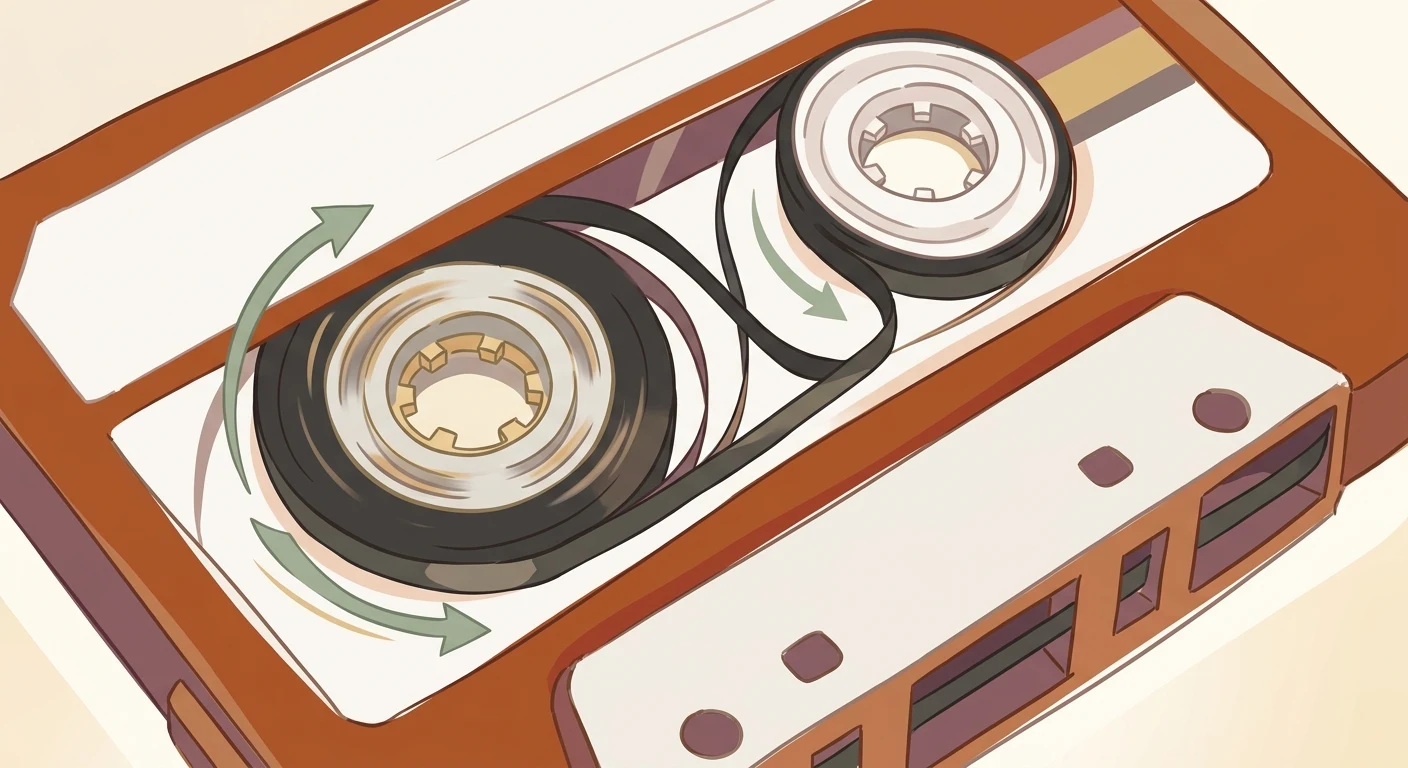
Nostalgia is a great messenger. It is a terrible address.
There's nothing wrong with the playlist. There's something worth noticing if the playlist is where you live. If going back is consistently easier than being here. That's the version of this feeling that doesn't do anything useful for you. That's the trap.
What 2016-You Actually Wanted
So here's an exercise that's more useful than it sounds: instead of remembering what 2016 felt like, try to remember what you were hoping for back then.
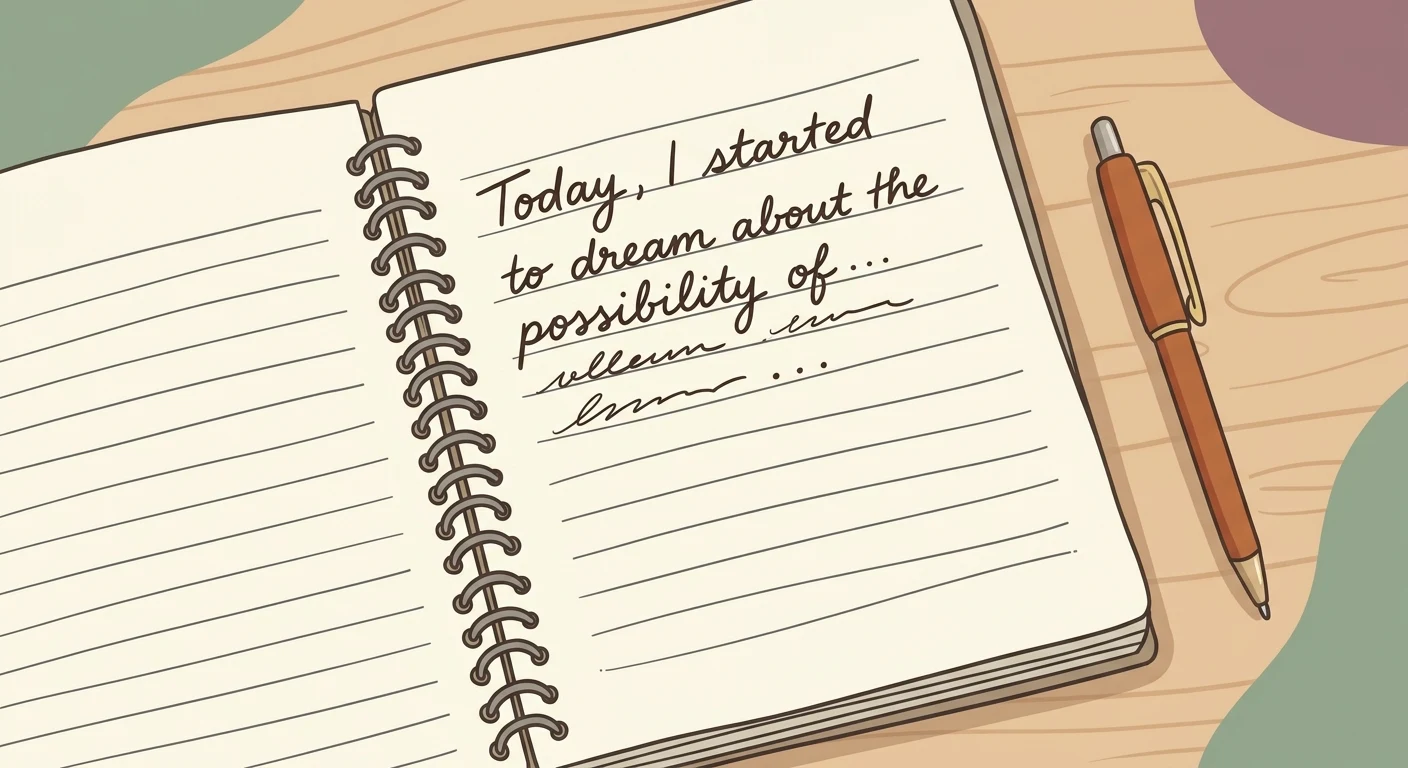
Not what you actually did. What you wanted. The things you were quietly building toward. The dreams you were nursing. The version of the future that felt obvious and possible when you were 13 or 14 and the world still had that kind of openness to it.
Because that version of you had ambitions, even small ones. A direction, even a vague one. And some of what you feel nostalgic for might actually be the simplicity of wanting something clearly, without yet knowing whether you would get it. That pure, undiluted desire before life got complicated.
Here's the thing: that wanting is still in you. It didn't go anywhere. It just got complicated. Life has a way of layering things on top of the original signal until you can barely hear it anymore. But it's still there, under all the noise.
How to Use It Instead of Loop In It
The next time you feel the pull of a 2016 playlist or an old show, let yourself have it for a minute. But while you're in it, stay curious. What specifically is landing? What moment, what feeling, what version of the world in that song or that scene? Try to name it, even just to yourself.
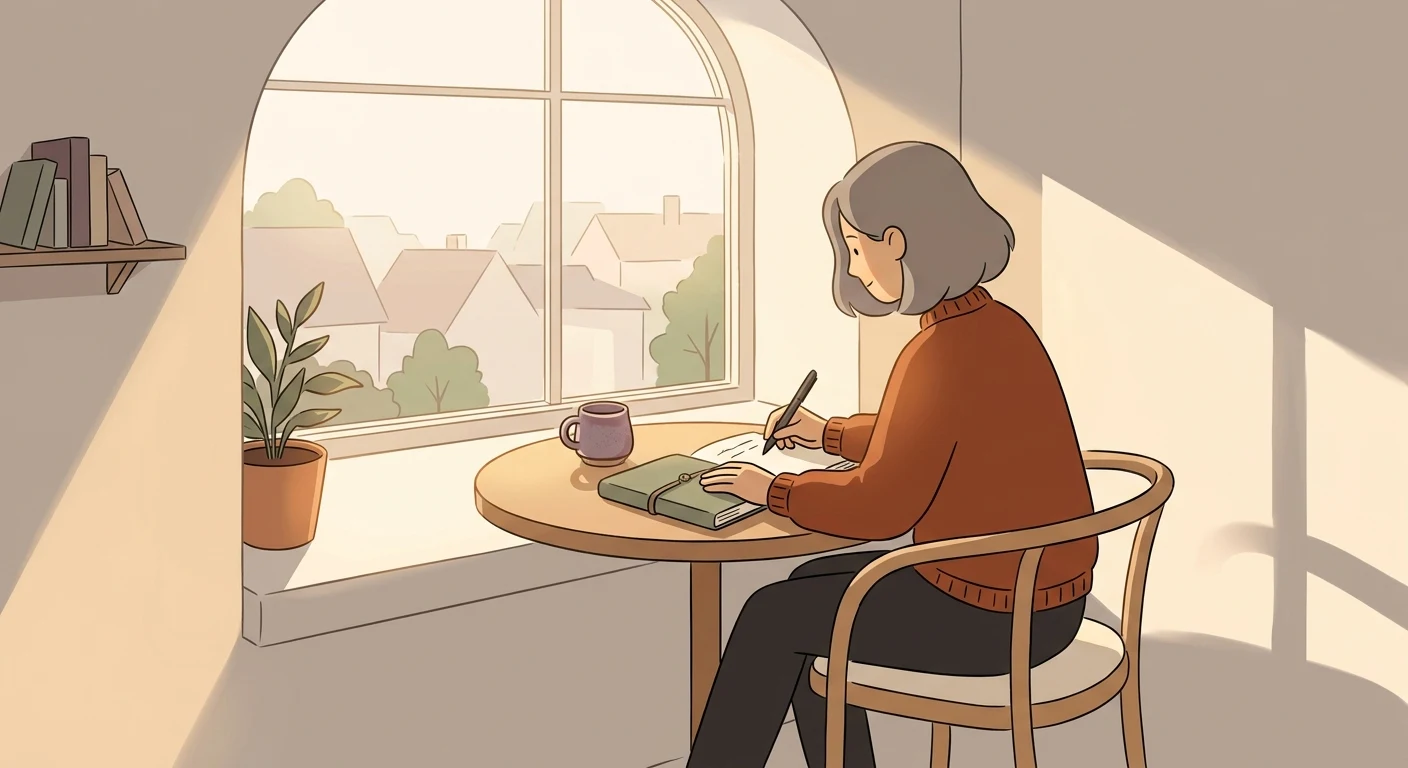
Then ask yourself: where is that thing missing in my life right now? Not "how do I go back to that" but how do I get more of that feeling, in this life, this year? This is where nostalgia becomes useful instead of just sad.
Lower stakes might mean: doing something you don't plan to post. Creating just for the sake of it, not for the algorithm. Sharing something real without worrying about the metrics.
Belonging might mean: finding one community or friendship that doesn't require performance. One space where you can be yourself without editing. One group that gets you.
Simplicity might just mean: logging off for a day and doing something with your hands. Reading a book without taking notes. Listening to music without Shazaming it. Existing without documenting.
The nostalgia is giving you real information. It's telling you what matters to you, in the language of a time when things were a little easier to feel. The translation work, turning that into something present and alive, that is yours to do.
The goal is not to recreate 2016. The goal is to figure out what 2016 knew about you that you might be forgetting.
The Real Talk
Feeling nostalgic for a version of the internet and a version of yourself from ten years ago, in 2026, might be the most honest thing you've done all week. Not because it means you want to go back. Because it means something in you is still paying attention to what you actually need.
Most people drown that signal out entirely. They ignore the ache. They push through. They tell themselves to just get over it and move on.
You don't have to. You just have to know how to listen to it.
Can you really afford to ignore what 2016 is trying to tell you now that you know what it actually means?
What did 2016 know about you? What are you missing? Let me know in the comments below.
Why does 2016 feel so perfect in my head when I know I actually struggled a lot back then?
Your brain is acting as a master editor, softening the boring or painful parts of your past and keeping only the warm emotional highlights. It does this because it is looking for quick relief from the heavy pressures of your present life. Instead of fighting it, recognize that your mind is simply trying to offer you a safe place to rest.
Is it bad that I just want to loop my old playlists and comfort shows when I'm stressed?
Enjoying those comfort zones is perfectly fine in moderation, but it becomes a trap when you start living in them to avoid the present. Use those songs as a quick battery recharge rather than a permanent hiding spot. Let the warmth of the music inspire you, then gently nudge yourself back into the current world.
How do I actually get that low-stakes feeling back when the internet today is so obsessed with branding and metrics?
Start by doing things strictly for your own eyes, like writing in a physical journal or creating something you have zero intention of posting online. You have to actively build offline spaces where you do not have to perform or edit your life. Logging off even for just one afternoon can instantly lower the stakes and give your brain room to breathe.