

There is a version of ourselves we carry around in our heads - calm, quick-witted, always knowing exactly what to say. This is the person who has everything figured out, who speaks up when something feels unfair, who never lets themselves be misunderstood, who handles conflict with grace.
Then life places us in a room where emotions are louder than thought, and that person disappears. Words vanish. Not because we stopped caring, and not because we picked a side, but because something quieter and older than our intentions took over. And infuriatingly, the right words always arrive later; in the shower, in bed, in the silence after everyone has already left the room.
It raises an uncomfortable question: how well do we actually know ourselves before pressure arrives to test it?
The Self We Think We Know
Most of us build our identity the same way, from memory, from habit, from what we'd like to believe about ourselves. We assume we know what we would defend, when we would speak up, how brave we would be if it came to it.
But conflict rarely confirms character. More often, it introduces us to someone we didn't know was living inside us - someone quieter, more hesitant, more frozen than we ever imagined. The real surprise of a hard moment usually isn't what other people do. It's discovering what we, ourselves, were or weren't capable of doing.
This is disorienting in a very specific way. We don't just fail to meet our own expectations but we watch ourselves fail, almost from the outside, as if standing a few steps away from our own body. And that gap between the self we expected and the self who actually showed up is where most of the quiet self-doubt afterwards comes from.


When Brain Chooses Survival Over Clarity
Psychology has a name for what happens next: the stress response, often simplified into fight, flight, freeze, and fawn . Not everyone argues under pressure. Some people go quiet. Some try to smooth things over before they've even processed what's happening. Some simply can't think at all.
This is sometimes described as an Amygdala Hijack - the brain's alarm system overriding its reasoning system, flooding the body with stress chemicals faster than conscious thought can keep up. Under enough cognitive overload, clarity isn't something we can switch on by willpower.
We often judge ourselves harshly for not reacting the way we imagined we would. But the nervous system was never asking our permission. It was simply trying to keep us safe, using instincts far older than the person we hoped to be in that moment.


Silence that was Never Meant to Mean Anything
This is usually where the real hurt lives - not in what was said, but in what wasn't.
From the inside, silence can feel like searching: waiting for words that make sense, trying to hold several conflicting feelings at once. From the outside, it looks like indifference, agreement, or worse, guilt. People don't respond to our internal conversation; they respond to what they can see. And what they see is rarely the whole story.
This is the gap between intent and impact, and it shows up everywhere relationships exist - between colleagues, between siblings, between managers and their teams, between old friends. Silence is never neutral. It gets filled in by whoever happens to be watching it.
And once it's filled in, it's rarely revisited. Nobody goes back to ask what the silence actually meant, because by then a story has already formed, and stories are easier to hold onto than uncertainty. So the silence hardens into a version of us that we never actually agreed to.
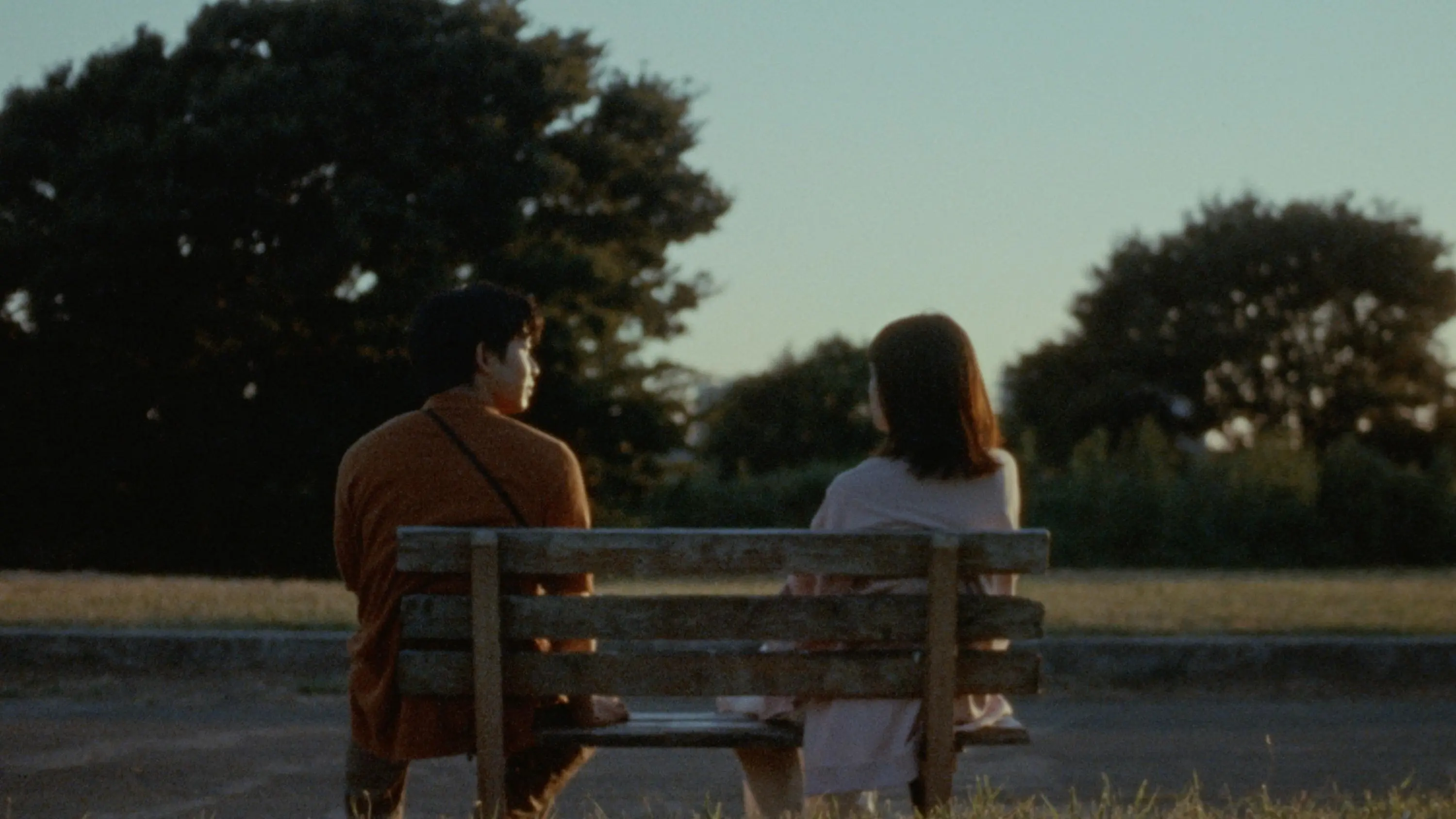

What We Learn About Ourselves
Days later, something strange happens. Suddenly we know exactly what we should have said. Suddenly we're articulate, sharp, unshakeable in our heads, replaying a scene that's already over.
This is hindsight bias at work - the mind's tendency to believe, after the fact, that the right answer was always obvious. But we don't replay old conversations because we enjoy the regret. We replay them because we're still trying to understand who we were in those overwhelming few minutes.
Were we wrong? Or were we simply overwhelmed? Maybe both questions deserve to sit unanswered for a while.


The Labels We're Given
Groups are quick to assign identities - the peacemaker, the leader, the emotional one, the diplomatic one. Once a label sticks, every action gets filtered through it, whether it fits or not.
Two ideas explain why this happens so easily: Social Identity Theory, which shows how much of our behavior is shaped by the group we believe we belong to, and the Fundamental Attribution Error, our tendency to explain other people's actions through their character rather than their circumstances - a courtesy we rarely extend to ourselves.
People remember what we did. We remember everything we were quietly trying to process before we did it - and those two versions of the same moment rarely match.


It Isn't Only in Friendships
This pattern doesn't stay confined to personal relationships. It shows up in meetings where a boss's silence gets read as agreement. In performance reviews where a teammate's hesitation gets mistaken for indifference. In family businesses where nobody names the hard thing until it's far too late.
Different rooms, same psychology because people interpret behavior faster than they understand the intention behind it. We are all, constantly, reading each other in real time, without the footnotes.
It's tempting to think this only happens to the naturally quiet or the conflict-averse. But it happens to confident people too, to people who are usually the first to speak. Pressure doesn't discriminate by personality; it simply finds whatever crack already exists in a person's certainty about themselves.


The Hardest Part Isn't Being Misunderstood
Being misunderstood is painful. But something else hurts more quietly: realizing that, in the moment it mattered most, we couldn't fully understand ourselves either.
We expect clarity from ourselves while we're carrying confusion. We expect courage from ourselves while our nervous system is simply trying to keep us intact. Maybe that's why regret feels so personal, it isn't only about wishing we'd spoken. It's about wishing we'd known ourselves a little better when those few seconds mattered most.
There's a quiet kind of grief in that. Not the grief of losing someone else, but the grief of realizing you don't fully recognize the person who stood in that room. It can sit with you for weeks, resurfacing at strange hours, asking to be understood rather than forgiven.


Meeting Ourselves for the First Time
We tend to think self-awareness is built quietly; in journals, in therapy, in long conversations with ourselves late at night. But maybe the deepest lessons don't arrive that way at all. Maybe they arrive in uncomfortable rooms, in conversations we didn't get to finish, in silences we're still replaying long after everyone else has moved on.
Pressure doesn't just reveal who we are. Sometimes, it introduces us to someone we hadn't met yet - a version of ourselves shaped less by intention and more by instinct. And maybe growth was never about learning to say the perfect thing at the perfect moment. Maybe it's slowly making peace with why, sometimes, we couldn't say anything at all.
We are not always who we meant to be. Sometimes, we are simply who we needed to be - to survive the moment.
Do let us know if in case you have found your answer!
Why do I always think of the perfect thing to say hours after an argument is already over?
Blame your brain's alarm system, which temporarily shuts down your reasoning skills when you feel threatened. Once you are finally safe and relaxed in the shower or in bed, your mind cools down and the words can finally flow. It is a completely natural biological response, not a sign that you lack wit or courage.
Is there a way to stop myself from completely freezing up during a hard conversation?
Start by taking slow, deep breaths to signal to your nervous system that you are actually safe. You do not have to force a brilliant response right away, so try simply saying that you need a little time to process things before speaking. Giving yourself permission to pause can keep your brain from going into total lock-down.
What should I do if someone took my silence as agreement or guilt?
Go back and explain what was actually happening inside your head once the dust has settled. You can say something direct like, "I went quiet because I was overwhelmed and trying to process my feelings, not because I agreed with what was happening." Sharing your internal footnotes helps people replace the wrong assumptions they made in the moment.