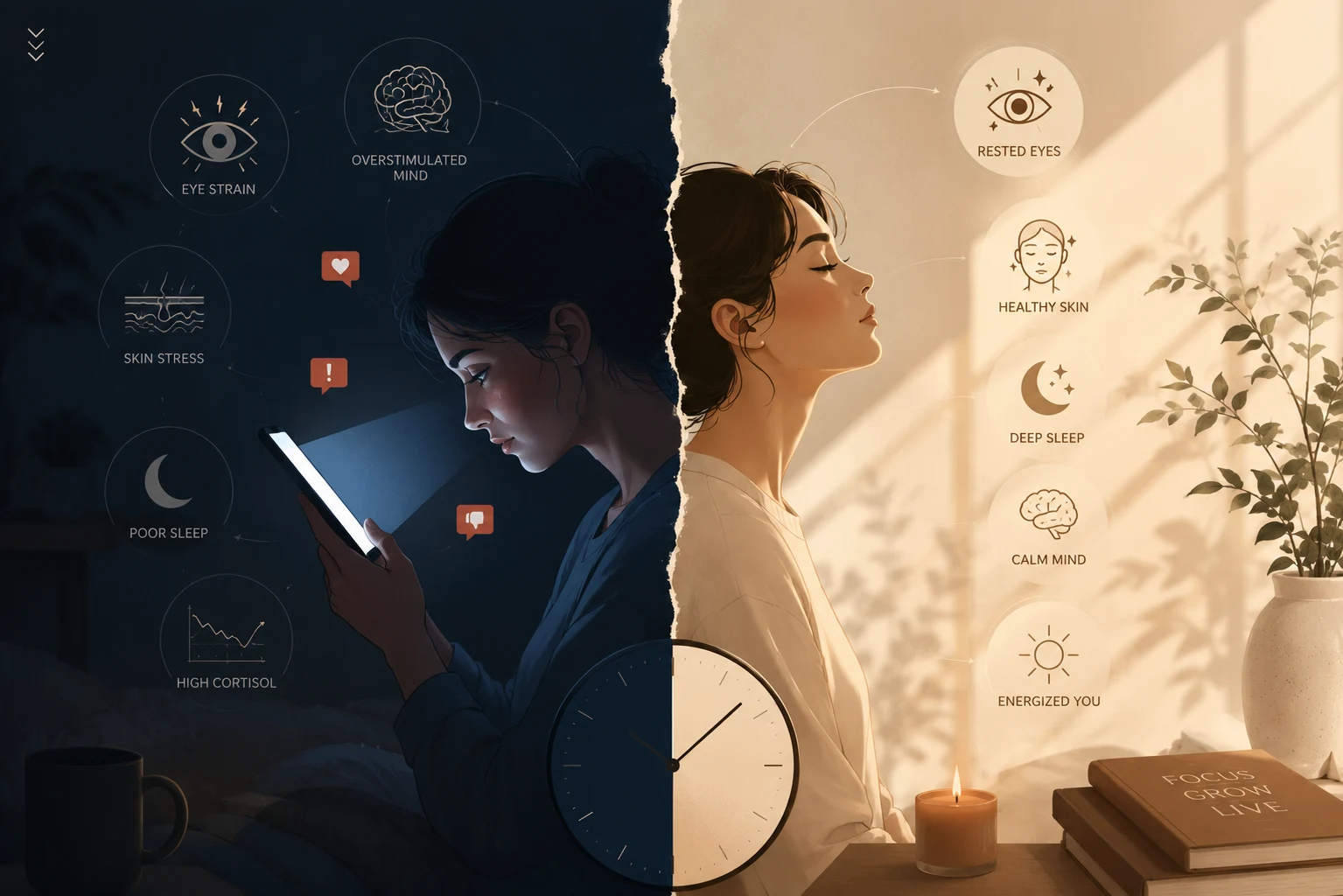

The last thing you looked at before sleeping was a screen. The first thing you reached for when you woke up was a screen. Somewhere in between, you probably did not sleep as well as you wanted to, and you are not entirely sure why.
Nobody is telling you to throw your phone away. This is not that kind of post.
But there is something worth knowing about what screens are quietly doing to your eyes, your skin, your sleep, and the version of you that wakes up the next morning. Not in a dramatic way. Just in the way that small things add up when you are not paying attention.
Your Eyes Are Working Overtime
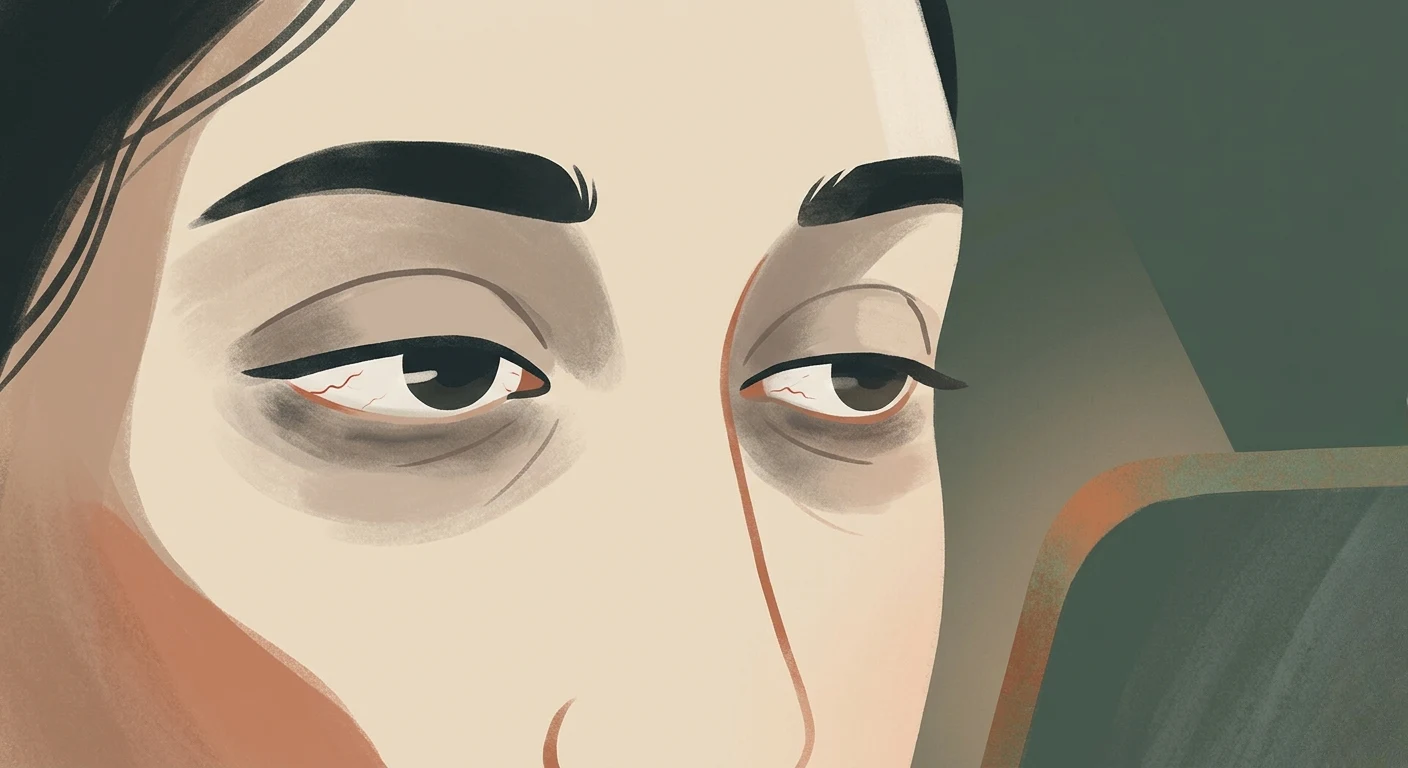
You know that feeling at around 6pm when everything goes slightly soft? When you catch yourself rubbing your eyes without realising you started? That is not tiredness from your day. That is your eyes telling you they have been at it for hours with almost no real break.
Here is something most people have never been told: when you are looking at a screen, you blink about 60% less than you normally would. Your brain gets so locked into what it is processing that it forgets to do one of the most automatic things your body knows how to do. Less blinking means less moisture. Less moisture means that dry, gritty, slightly-strained feeling that you probably just accept as part of the day.
There is also the focus element. Screens sit at a fixed distance and your eyes hold that focal length for hours. It is the visual equivalent of holding a muscle in one position without moving it. Eventually something aches.
The fix that actually works is embarrassingly simple. Every 20 minutes, look at something 20 feet away for 20 seconds. That's it. It sounds too small to matter. It does not feel too small when you try it consistently for a week. Learn more about the 20-20-20 rule here.
Your eyes are not built for this much stillness. Neither is the rest of you.
Your Skin Is Closer to the Screen Than You Think
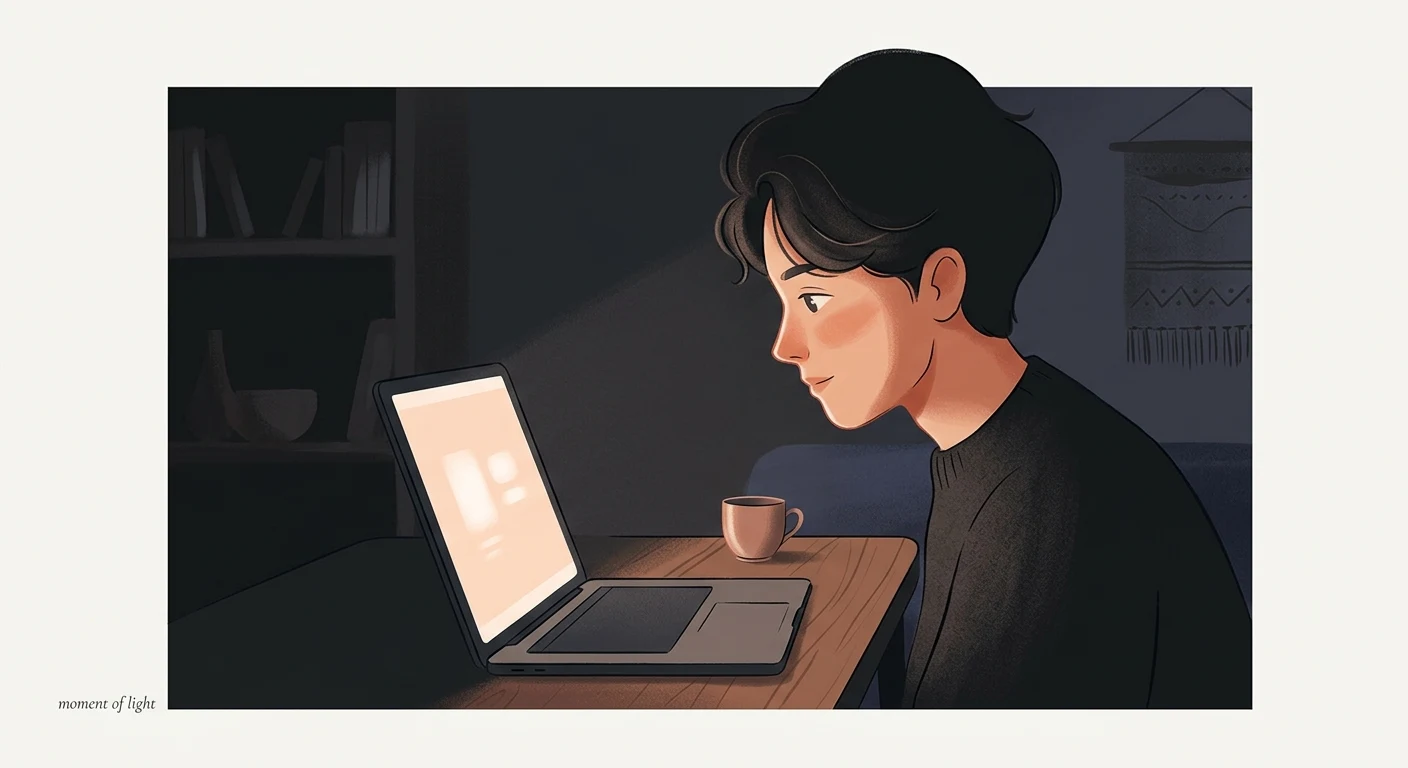
Most of us have learned to think about sun protection. SPF in the morning, reapply if you are outside for long, stay in the shade when it gets harsh. What we have not been taught to think about is the screen two feet from our face for six, eight, sometimes ten hours a day.
Blue light, the kind emitted by phones and laptops and televisions, does something similar to UV light in that it triggers the production of free radicals in your skin. Free radicals break down collagen. They contribute to pigmentation. They do the slow, quiet kind of damage that you do not notice until you suddenly notice it all at once.
There is also the heat. Devices warm up, especially laptops used in bed or on your lap, and that low-grade warmth sitting close to your skin over time is not nothing. It can weaken the skin barrier, make existing pigmentation worse, and leave skin feeling more reactive than it should.
The maddening part is that your PM skincare routine might be working against itself. If you apply actives, acids, retinol, vitamin C at night and then spend the next hour scrolling with your phone close to your face, you are essentially layering on something that makes your skin more sensitive and then immediately exposing it to more light and heat. The timing matters more than most people realize.
The Sleep You Think You Are Getting
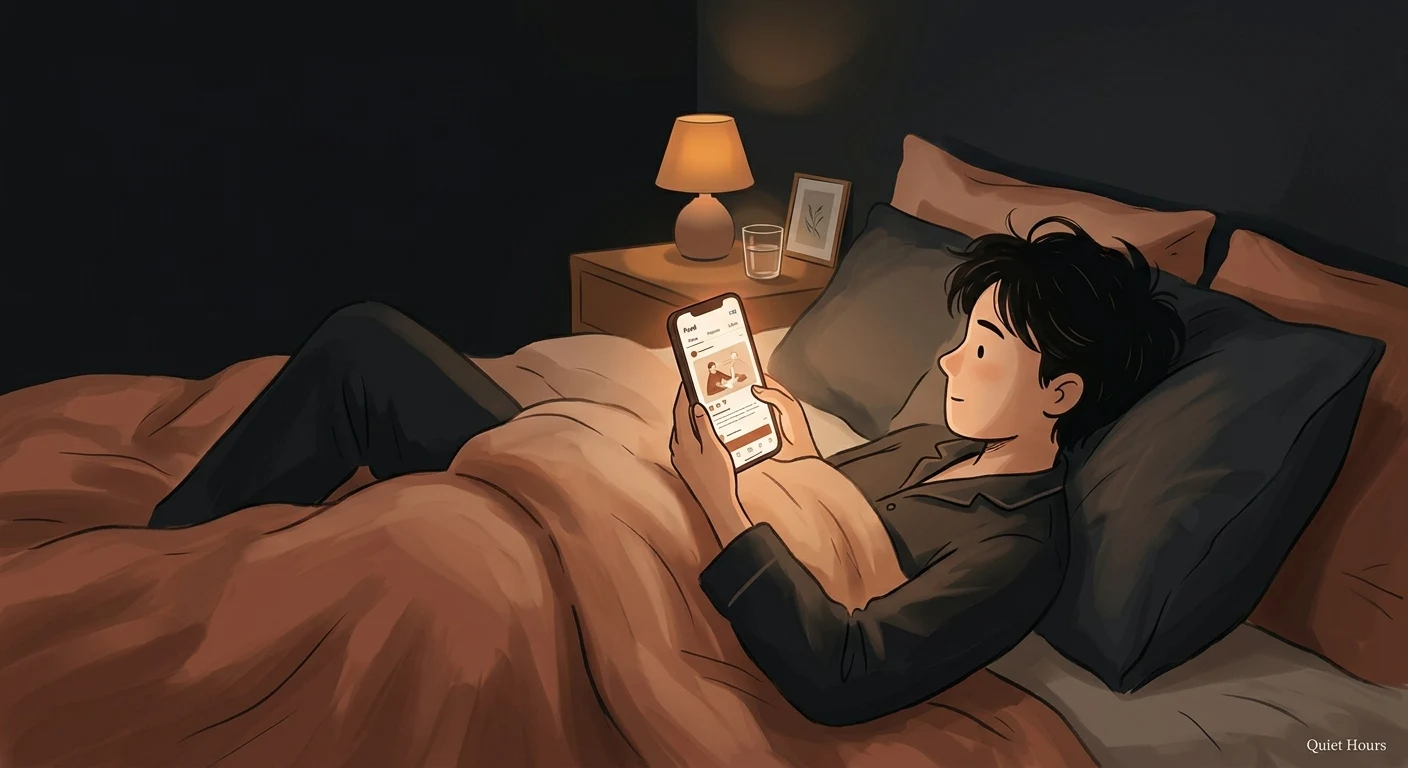
You were in bed by 11. You told yourself you would just check a few things. You looked up at some point and it was 12:43.
The reason this keeps happening is not weak willpower. It is biology being interrupted by something it was not designed for.
Blue light suppresses melatonin, the hormone that signals to your body that it is time to sleep. Your brain reads that light and genuinely believes it is still daytime. Not metaphorically. Actually, the signal it receives is: stay alert, it is not dark yet. So you lie there, phone down, and your brain is running at a frequency that does not match the hour at all.
What makes this worse is that it is not just about total screen time. Timing matters more than amount. Scrolling at 7pm has a meaningfully different effect on your melatonin levels than scrolling at 11pm. The closer you are to the window where your body wants to start winding down, the more you are actively working against it.
Your brain does not know it is bedtime if you are still holding a small rectangle of daylight.
What You Wake Up Carrying
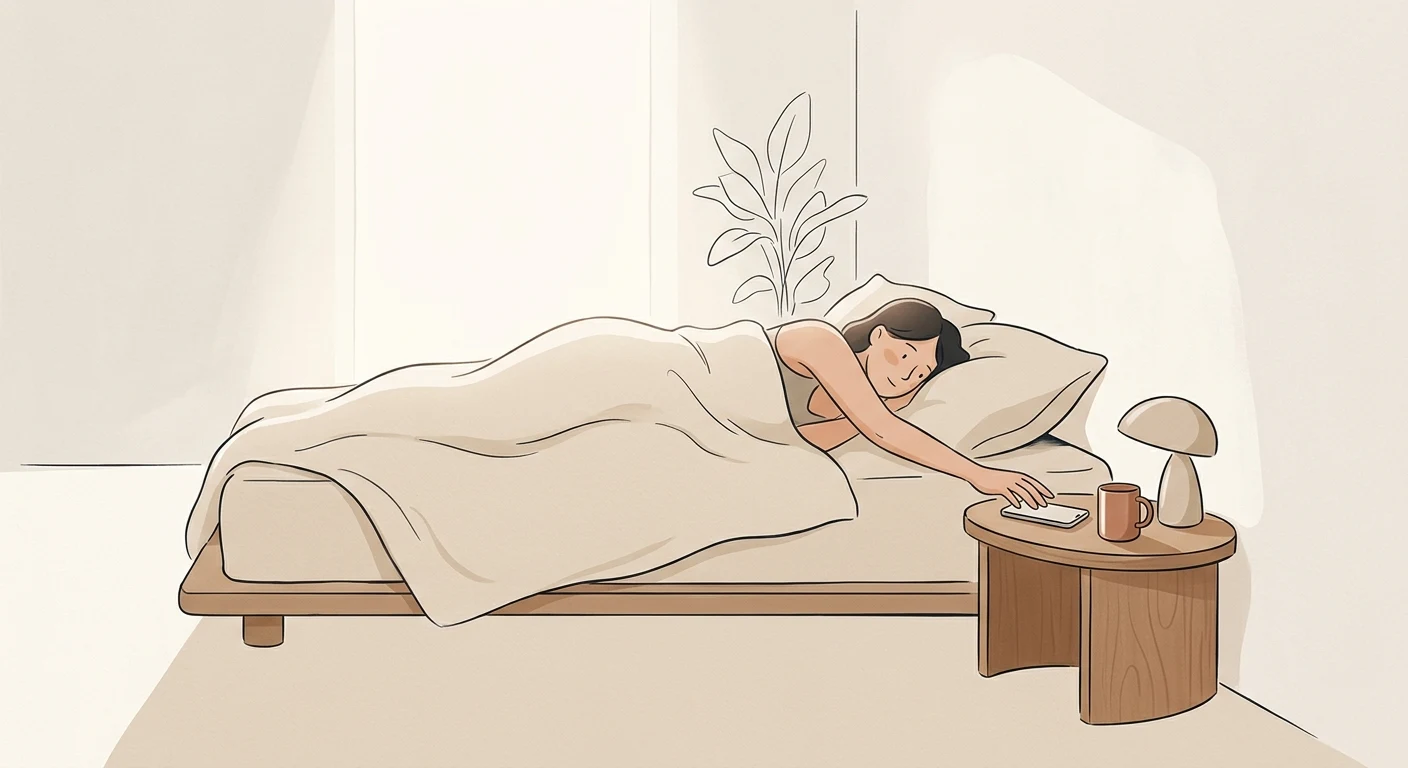
There is a particular kind of tired that is not really about hours of sleep. It is the kind where you wake up and already feel slightly behind, slightly unsettled, like you have been carrying something since before the day asked anything of you.
A lot of that starts the night before.
Doom-scrolling before bed, the news, the comparisons, the conversations you get pulled into at midnight, keeps cortisol elevated. Cortisol is your stress hormone, and it does not just switch off because you put the phone down. It lingers. It affects the quality of the sleep you do get. And it means you wake up with a body that has been on mild alert all night, even if you technically got your hours.
The first 30 minutes of your morning are shaped more by the last 30 minutes of your night than most people want to admit. What are you actually feeding yourself before you sleep? Not food. The last input your brain processes before it goes into consolidation mode for the night.
What Actually Helps
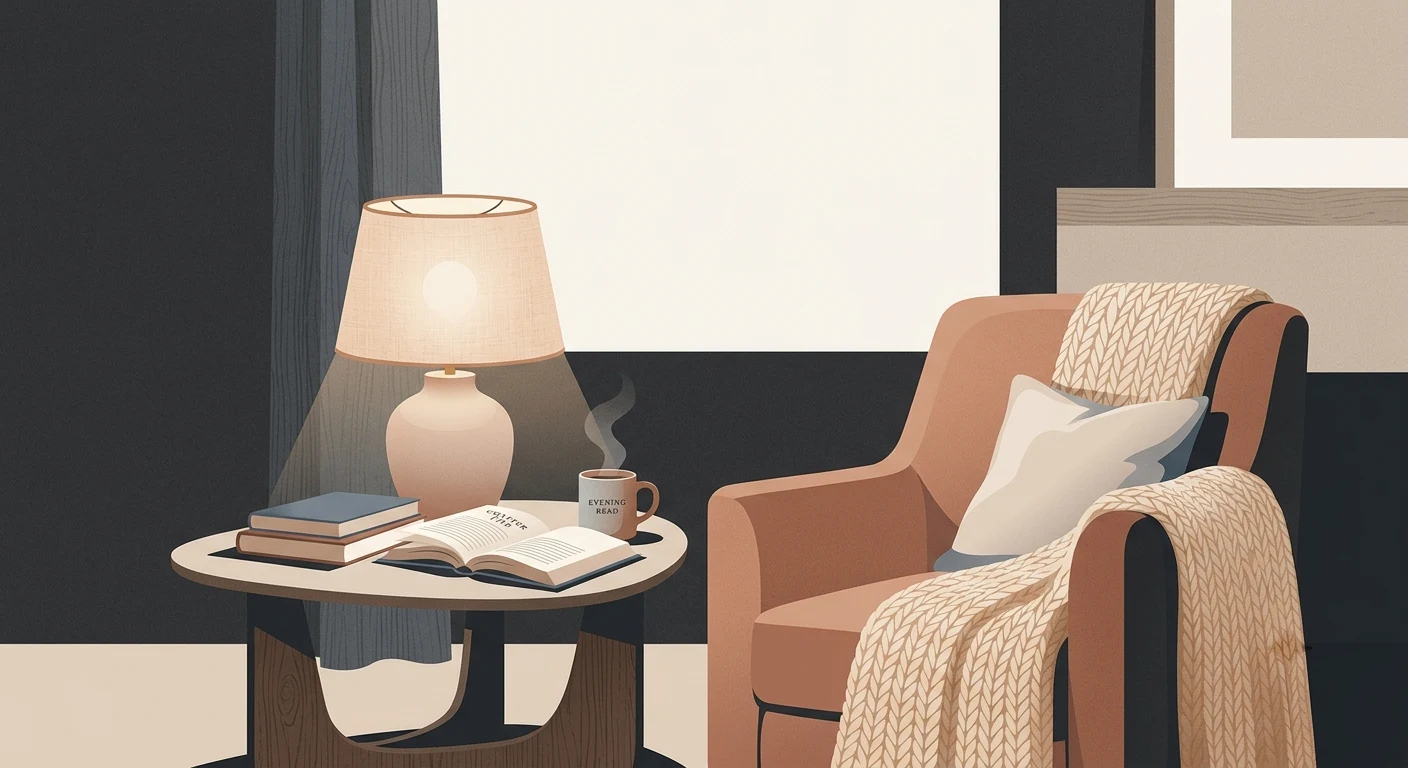
This is not a 10-step digital detox. Nobody is sustaining those. Here is what is actually worth doing.
Night mode and warm screen settings help, but they are partial. They reduce some blue light emission but not all of it. Think of it as turning the volume down, not switching it off. Worth doing, but not a free pass to scroll until 1am
Blue light glasses are similar. There is real evidence they reduce eye strain during long screen days. Their effect on sleep is more debated. Useful as a daytime habit, less of a solution for late-night scrolling than the marketing suggests. Research on blue light glasses.
The thing that actually makes a consistent difference is a no-screens window before sleep, even 20 minutes. Not because 20 minutes is magic but because it gives your melatonin a chance to start doing its job uninterrupted. A book, a conversation, stretching, something that does not emit light and does not demand anything from your attention.
For skin: Try not to scroll immediately after your PM routine. Give what you applied a few minutes to absorb before you pick the phone back up. And if you are using a laptop in bed often, that distance between your face and the screen is worth being deliberate about.
For your Eyes: The 20-20-20 rule, again, because it is worth repeating. And blinking consciously when you remember to. It sounds ridiculous until it helps.
None of this requires a lifestyle overhaul. It just requires noticing what was always already happening.
Closing Thought
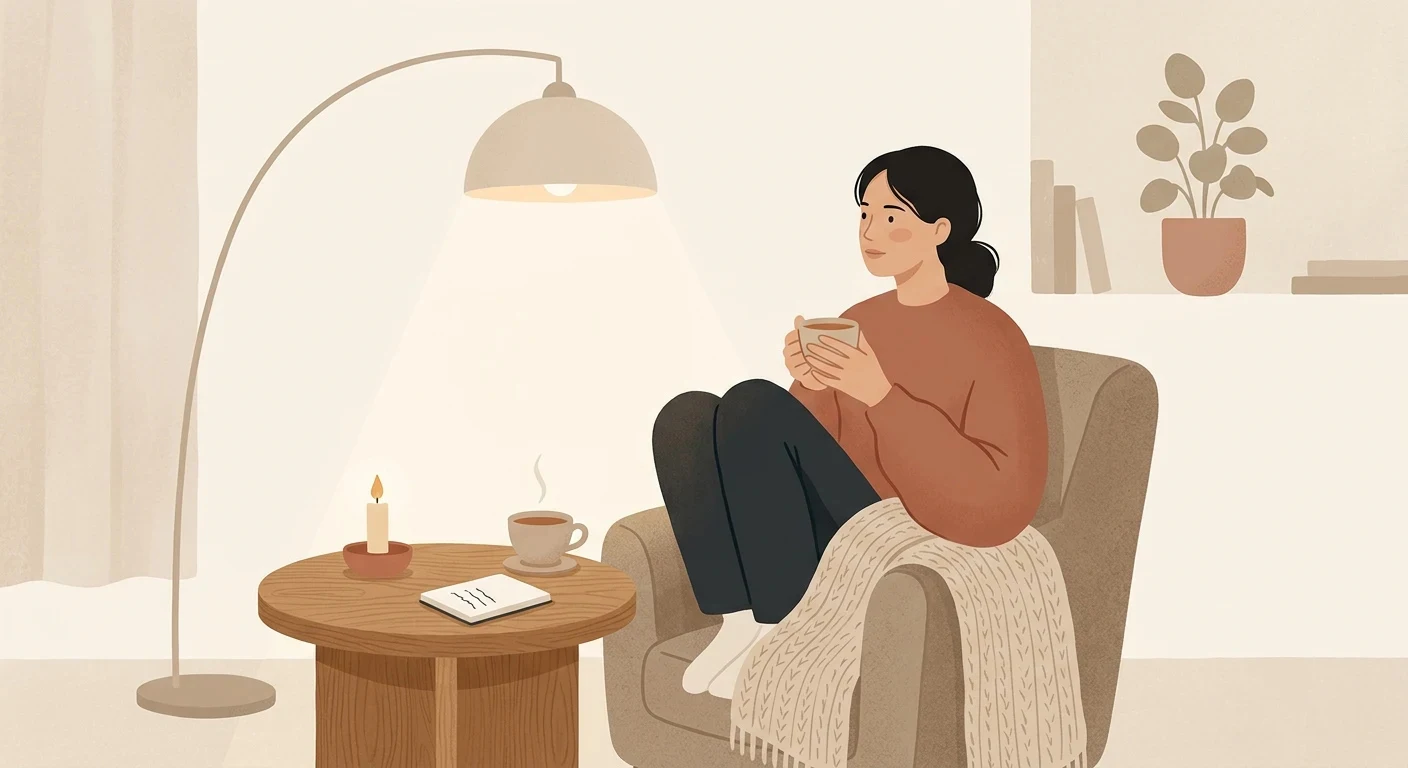
The goal here is not less screen time for the sake of it. Screens are where most of life happens now, work, connection, creativity, rest in its way. That is not going anywhere.
But there is a difference between using them and letting them use you without your awareness. Your eyes are straining in ways you have learned to ignore. Your skin is absorbing something you never thought to protect it from. Your sleep is being interrupted at the source, quietly, every night.
You do not have to change everything.
Just notice one thing tonight that you did not notice before.
That is usually where it starts.
The body keeps the score of every late night you spent somewhere else.
Do those yellow night-mode settings on my phone actually do anything for sleep?
They help slightly by lowering the intensity of blue light, but they do not turn it off completely. Your brain still registers the screen as daylight if you keep scrolling late into the night. Think of it as a helpful setting, not a free pass to stare at your phone until midnight.
How does scrolling late at night ruin my expensive skincare routine?
Applying active ingredients like retinol or vitamin C at night makes your skin much more sensitive. Holding a warm, glowing phone right against your face immediately afterward exposes vulnerable skin to light and heat that can cause irritation. Try letting your skincare fully absorb for a few minutes before picking up your device.
Will wearing blue light glasses actually let me scroll in bed without hurting my sleep?
They are great for reducing eye strain during your workday, but they will not save your sleep. The marketing exaggerates how much they block the mental stimulation and light that keeps your brain alert. To actually sleep better, you still need to physically put the phone down.
Is a twenty-minute screen break before bed really enough to make a difference?
Absolutely, because it gives your brain just enough time to start producing melatonin without interruption. You do not need a massive digital detox to feel the benefits. Just those twenty screen-free minutes of reading or stretching will signal to your body that it is safe to rest.