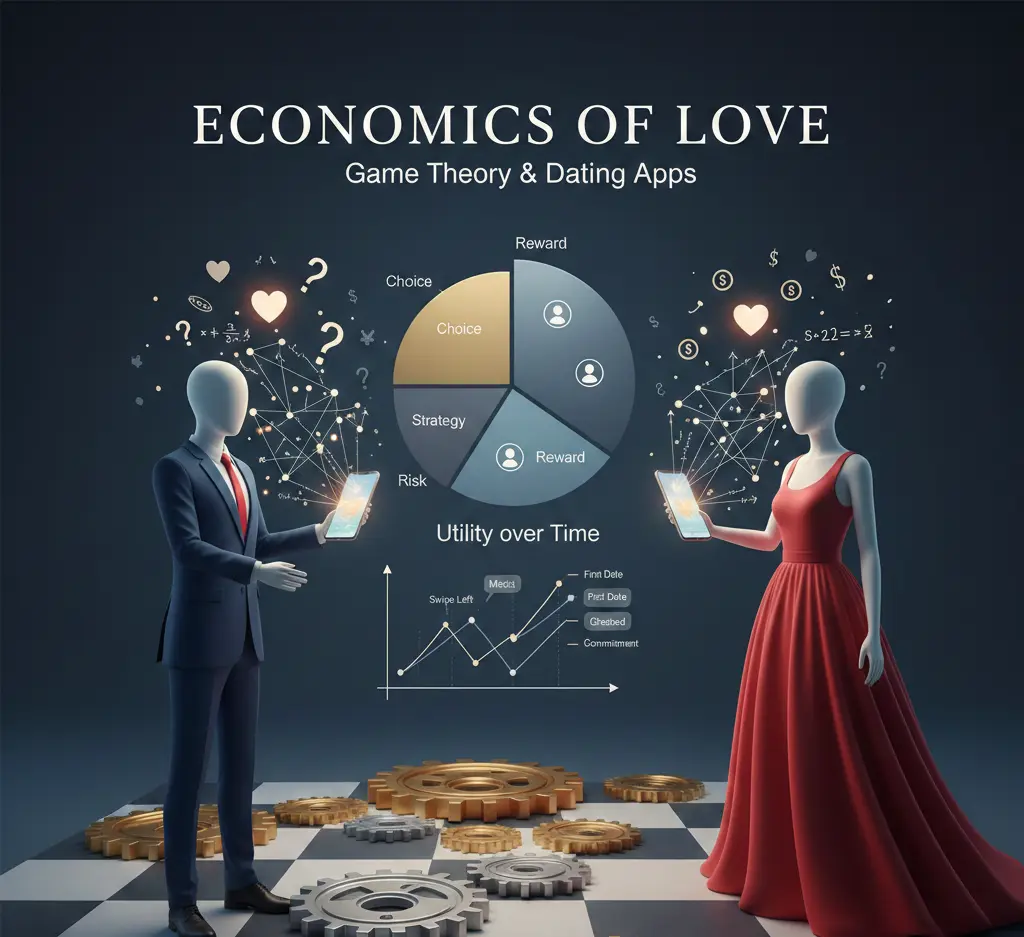

Is Dating a Market?
Ever feel like dating's a wild auction? You swipe right - boom, you're in a bidding war. Someone ghosts? They're out, no refunds. That endless "talking stage"? A free trial that never quite paid off. And locking it down? A bet on forever with your heart as collateral.
Modern dating feels less like rom-com magic and more like a chaotic bazaar. As The Economist put it, dating apps have turned romance into a competitive market where everyone's hustling for the best deal. This is where economics comes in - not as dull charts, but as a sharp lens on the dynamics of the dating market. Commitment works like investing, ghosting like a strategic exit, and swipes like supply and demand in motion.
Stay tuned as we explore the economics of dating apps and provide tips to help you date like a boss rather than a slacker.

The Dating Market - Demand & Supply
You contribute your best qualities as human capital, such as charm, stability, and common interests. A distinct competitive advantage is produced by high-value attributes like emotional dependability. However, information asymmetry predominates: you must navigate uncertainty because profiles don't tell you much about true intentions.
This market is greatly expanded by dating apps. There are plenty of options in urban areas, but not as many in smaller towns. This results in the paradox of choice, where decisions are delayed by abundance. Through constant swiping and unanswered messages, apps reduce barriers but increase search costs.

Key ideas include signalling (using photos and bios as indicators of credibility), market equilibrium (rarely attained), and adverse selection (unreliable profiles displacing legitimate ones). The dynamics of the dating market influence results across urban and rural divides.
- Strategy: To reduce choice overload, focus on niches.
- Urban markets: Intense competition is fuelled by a high supply.
- Small-town scarcity: Promotes deeper connections more quickly.
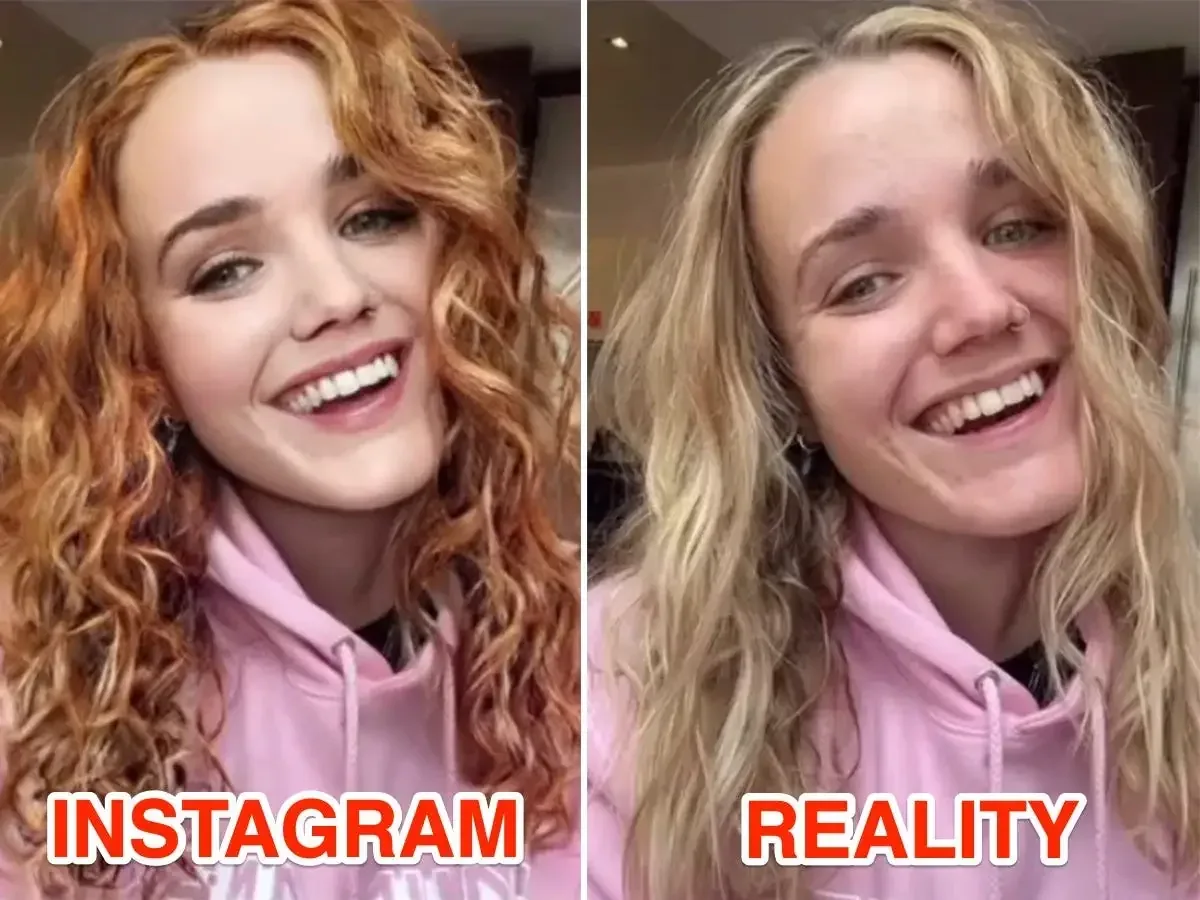
Game Theory in Dating: Are We Playing the Prisoner’s Dilemma?
Relationships gain strategic clarity from game theory, which turns haphazard swipes into deliberate actions. Why dating frequently feels like a high-stakes standoff is explained by classic models.
Consider two individuals who are considering commitment. A successful partnership results from both parties' emotional investment. However, if one cheats or pulls back, the other loses badly. According to Robert Axelrod's research, in repeated games, cooperation wins out over defection, but many players remain cautious out of fear.
Expensive gestures, such as carefully thought-out dates, serve as expensive signaling that is difficult to fake. Vulnerability sharing filters out untrue matches by acting as a reliable signal.
When there is no better solo option and both stop searching and commit, a Nash equilibrium is reached. Premature settlement runs the risk of regret; never-ending pursuit accumulates expenses.
These frameworks combine practical strategy with entertaining insight. Think of daters as chess players who aim for win-win stability, predict moves, and signal strength.

How Algorithms Shape Romantic Outcomes
Dating apps turn romance into a slick attention economy, where matching algorithms play matchmaker and puppet master. These systems borrow from chess: Elo-style scoring ranks "desirable" profiles higher, based on swipe patterns. Land likes from hotties? Your profile climbs. Average Joe? Stuck in swipe Siberia.
Platforms put dwell time ahead of your happily-ever-after. Your pursuit of quality conflicts with their engagement grind as more swipes translate into more advertisements. The mismatch is revealed by the dynamics of the dating app market: while users seek soul mates, apps pursue your screen addiction.
Consider Bumble or Tinder- platform economics favor volume. That "top pick" vanishes? Bait to keep you hooked. Witty aside: Algorithms are aware of your "just one more swipe" weakness, but they never bring the commitment.
Real-world bite: Leaked OKCupid data from early days has proven that desirability loops are what trap the rest of us.
- Elo boost: Great pics and clever profiles will give you an edge in the rankings.
- Incentive fix: Limit your daily swipe allowance to concentrate on meaningful conversations.
- Outcome hack: Use dating apps as a way to meet new people, but not as a place to make long-term commitments.

Love as Investment: The Economics of Relationship Capital
Time, emotional energy, and even shared costs - such as building a portfolio for long-term gains are all necessary for relationships to succeed. These are weighed against opportunity costs in relationship investment strategies, such as missing friend hangouts or Netflix alone on that Friday date.
Key pitfall: Sunk cost fallacy. You've logged months in a meh dynamic? Don't cling-past inputs won't magically improve future returns. Shift to marginal utility: extra effort boosting joy? Double down. Fading sparks? Reallocate.
Cost-benefit analysis in relationships gets practical here. In the beginning, test calls are made more quickly than lengthy texts. Later, strive for a return on emotional investment through growth on both sides, such as organizing trips that create memories. The witty truth is that love is not a get-rich-quick plan; instead, it requires careful nurturing to produce benefits that last beyond the honeymoon period.

The Use of Economic Thinking to Improve Your Strategy
Equipped with economic tools, you can play with the dynamics of the dating market. This is logical romantic optimization for better odds without losing heart, not cold logic.
Reduce search costs first by restricting apps to relevant niches (serious seekers over endless casuals). Improve your signaling with genuine gestures; thoughtful inquiries are preferable to generic praise.
Early screening will help you avoid adverse selection because shared values are more important than sparks alone. Don't chase ghosts; instead, concentrate your investments where marginal returns are high.
Recognize when to give up and leave politely if the anticipated reward drops (one-sided effort). The real win is when a dater treats matches like job interviews, vetting them before committing.
Blends head and heart for wins in modern dating economics.
Action steps:
- To reduce noise, cap swipes at 20 targeted ones per day.
- For the best returns, only invest in mutually beneficial ventures.
- Rather than using copy-paste lines, use distinctive gestures (personalized notes).
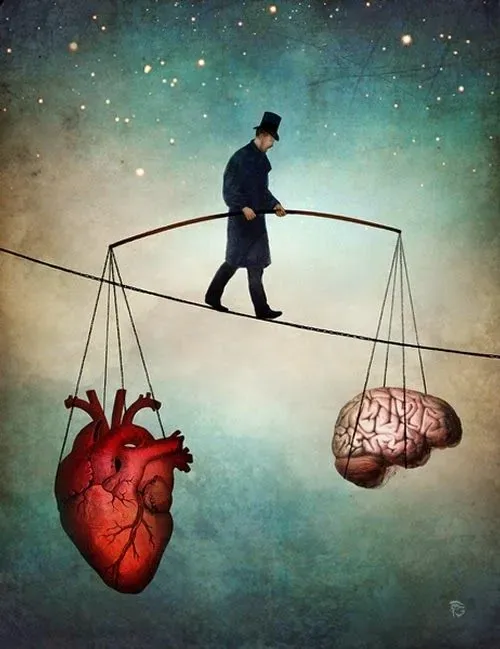
Modern Love Is Strategic - But It’s Still Human
We've figured it out: romance is a marketplace of options and incentives, according to economic game theory. Knowing the dynamics of the dating market enables you to make more intelligent moves, from matching algorithms that cheat on your swipes to Prisoner's Dilemmas in trust.
But the heart stuff is amplified by rationality, so it's not an emotionless equation. For long-lasting successes, combine real sparks with cost-benefit analysis. Top daters are adept at allocating their time and sending signals, transforming swipes into narratives.
In an era of infinite options, strategy isn't cheating-it's clarity. Swipe wisely; love deeply.

Your turn: Did game theory spark (or save) your love story? Drop it in the comments-I read'em all!
Why does having so many options on dating apps make it harder to actually choose someone?
Limit your search to specific niches and cap your daily swipes to about twenty people. Too much variety triggers choice overload, which makes you delay decisions because you are constantly wondering if a better option is just one swipe away. Focusing on quality over quantity helps you break the endless loop of searching.
How do I know if I am holding onto a relationship just because we have been together for so long?
Focus on your marginal utility by looking at whether your current effort is actually bringing you joy today. Stop worrying about the months or years you have already logged, because past investments cannot magically fix a connection that has lost its spark. If your mutual growth has stalled, it is time to politely move on and reallocate your emotional energy elsewhere.
Why does it feel like my dating app profile is invisible to everyone else?
Boost your profile rating by using high-quality photos and writing a highly personalized bio. Algorithms reward engagement and desirability, meaning average profiles can easily get buried in the digital pile. Restricting your swipe time will also help you focus on sending unique, genuine signals instead of getting lost in the crowd.
What can I do to show someone I am actually serious without looking desperate?
Use expensive signaling by putting real effort into personalized gestures, like planning a thoughtful date or asking specific questions about their interests. Avoid lazy, copy-paste opening lines that make you look like you are putting in zero investment. Sharing true vulnerability acts as a natural filter, attracting genuine partners who are ready to cooperate.