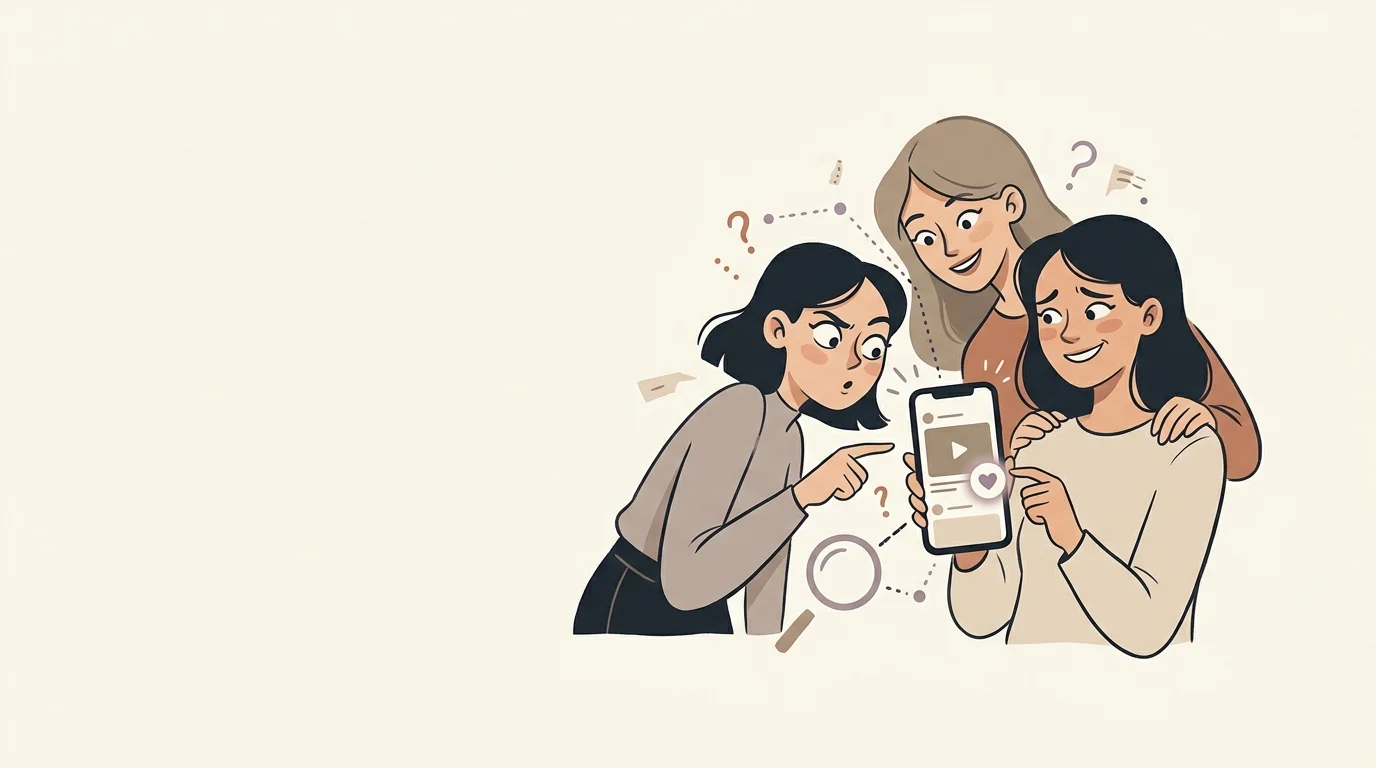

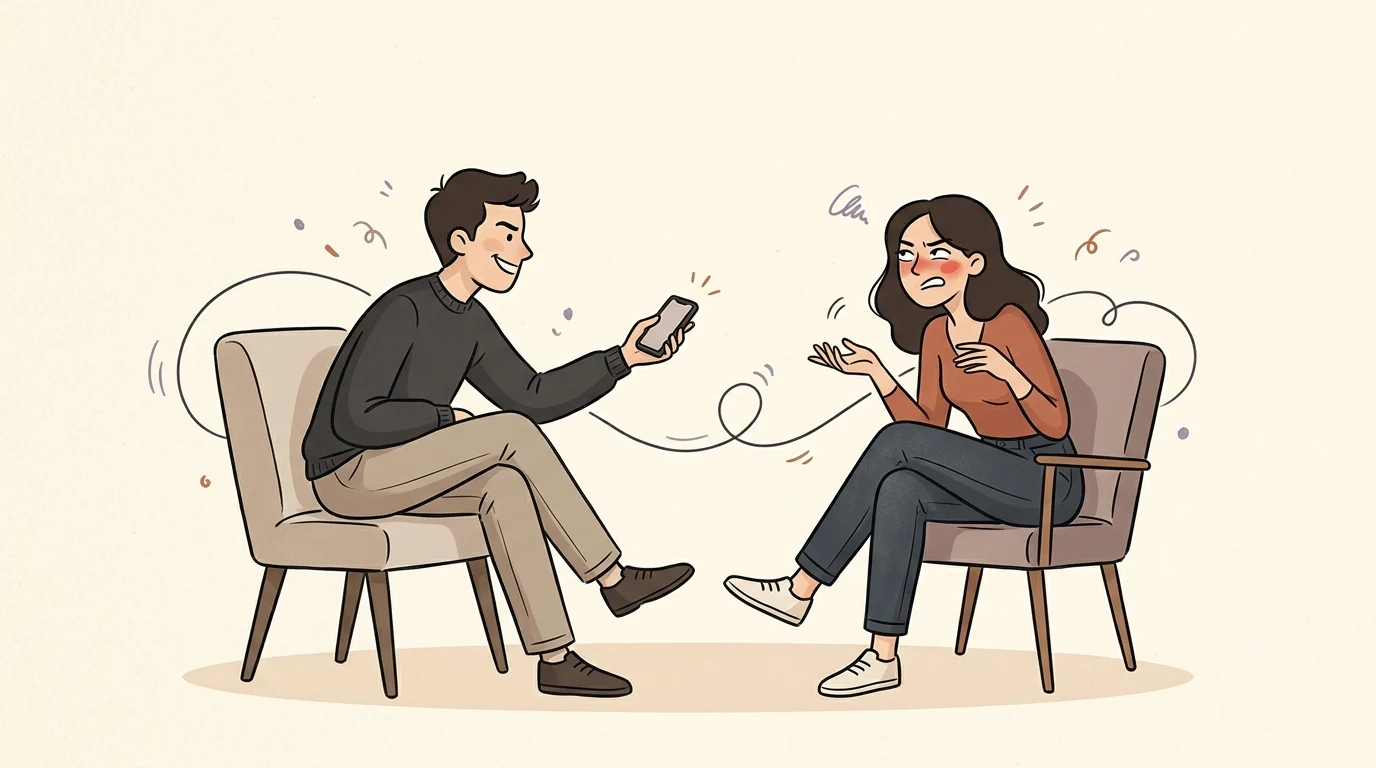
Someone hands their phone to a friend to show them one thing, and forty seconds later that friend is deep in their liked reels going "okay wait, we need to talk about this."
It's never the reel you showed them. That one gets a polite "haha true" and is immediately forgotten. It's always the one they found on their own, three scrolls deep into your likes, that you did not intend for public consumption.
"Wait," they say, thumb frozen mid-scroll. "Go back."
You know exactly which one before they even turn the screen around. There's a very specific kind of dread that hits when someone else finds a reel you liked at an unreasonable hour and thought nobody would ever bring up again.
"Who is this about."
"Nobody."
"Then why did you like it."
"IT WAS FUNNY."
"Sure."
Nobody in that exchange is lying, exactly. But nobody's fully telling the truth either. And somehow, from a two-second tap of a thumb, an entire cross-examination has begun.
When Liking Something Stopped Being Nothing
For a long time, a like was the smallest gesture the internet had to offer. Lower stakes than a comment, quieter than a share, barely a decision at all. You saw something, your thumb moved, you kept scrolling. It didn't mean you were endorsing it. It didn't mean anything, really. It was just a tap.
Somewhere along the way, in every friend group, that changed. Nobody voted on it. It just happened, the way most group norms happen, until your liked reels stopped being a private, meaningless trail and turned into something people actually check.
Not stalking, exactly. More like... casual surveillance. The kind you'd never admit to doing but definitely have done.
And once one person in the group starts doing it, everyone does. That's just how it spreads.
The Unofficial Investigation Unit
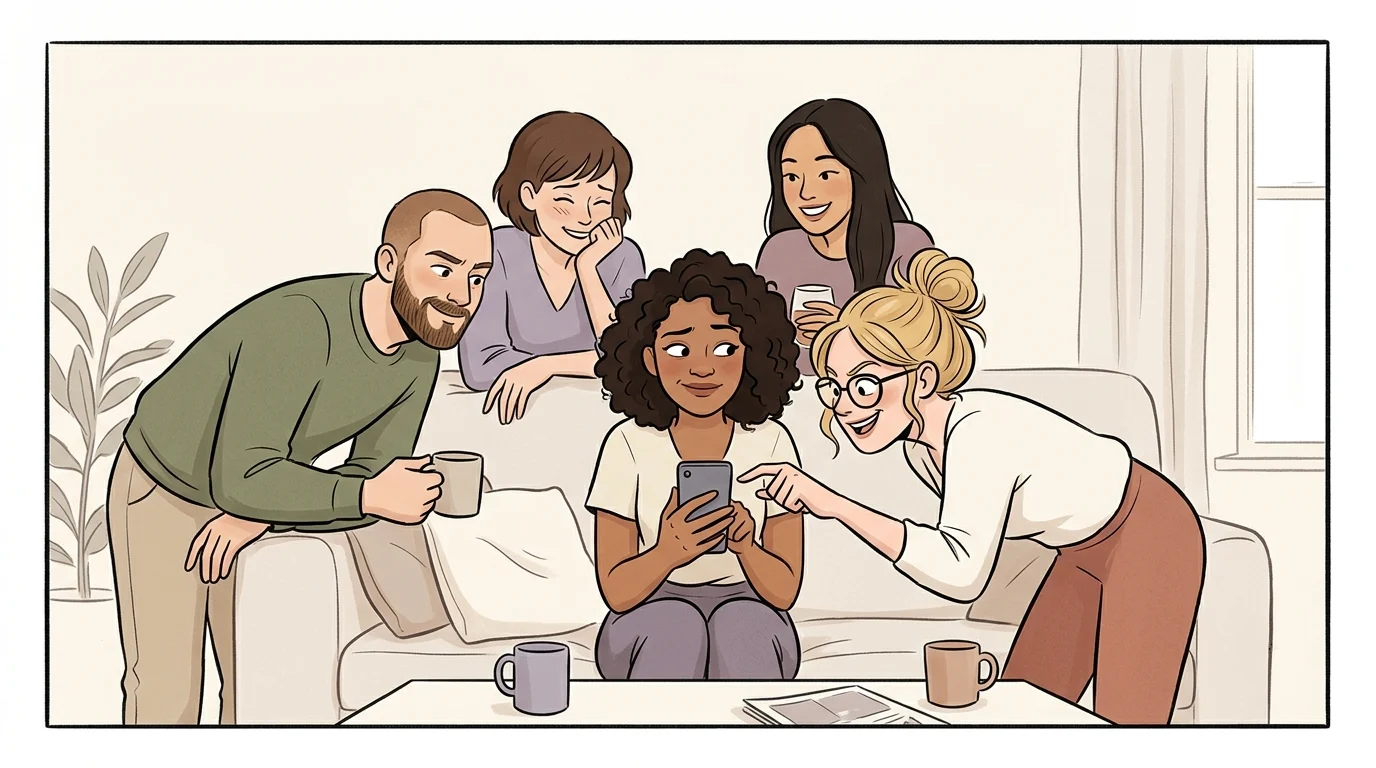
Every friend group has that one person who treats your liked reels like open-source intelligence. They'll scroll back weeks. Months, if they're really committed. And they will absolutely find the one reel you liked in March, completely forgotten by you, and bring it up in June like they've been sitting on it this whole time.
It usually shows up in the group chat as a screenshot with zero context. Just the reel, and one line under it: "explain."
Someone will inevitably reply "I don't even remember liking that." Nobody believes this either, even when it's true, because at this point the group has already built a whole case. A suspect, a motive, a rough timeline of events, and at least one detail that will get brought up again at your birthday dinner eight months from now for no reason at all.
The like is tiny. The interpretation is not.
And it's rarely just one reel. It's a pattern people notice before they say anything, and then bring up all at once, like they've been collecting.
You Liked It, So You Must Be That
This is the part where the logic gets a little shaky, and everyone participates anyway.
A romantic reel becomes proof of a crush. A sad, done-with-everyone reel becomes proof something's wrong and you're not telling anyone. A "wake up at 5 a.m. and win the day" reel becomes proof you're "having a moment," and someone asks if you're okay in the exact tone people use for a breakup.
"You liked a reel about healing from situationships."
"It was a good edit."
"Sure it was."
A hyper-specific meme, liked at 1 a.m., becomes, without discussion, your entire personality for the next two weeks.
What's interesting is how fast the leap happens. It's never just you liked this. It's straight to therefore I know something about you. Nobody leaves room for the boring, more likely explanation, which is that you were tired, the audio was catchy, and your thumb did the rest without consulting you.
Except Sometimes They're Right
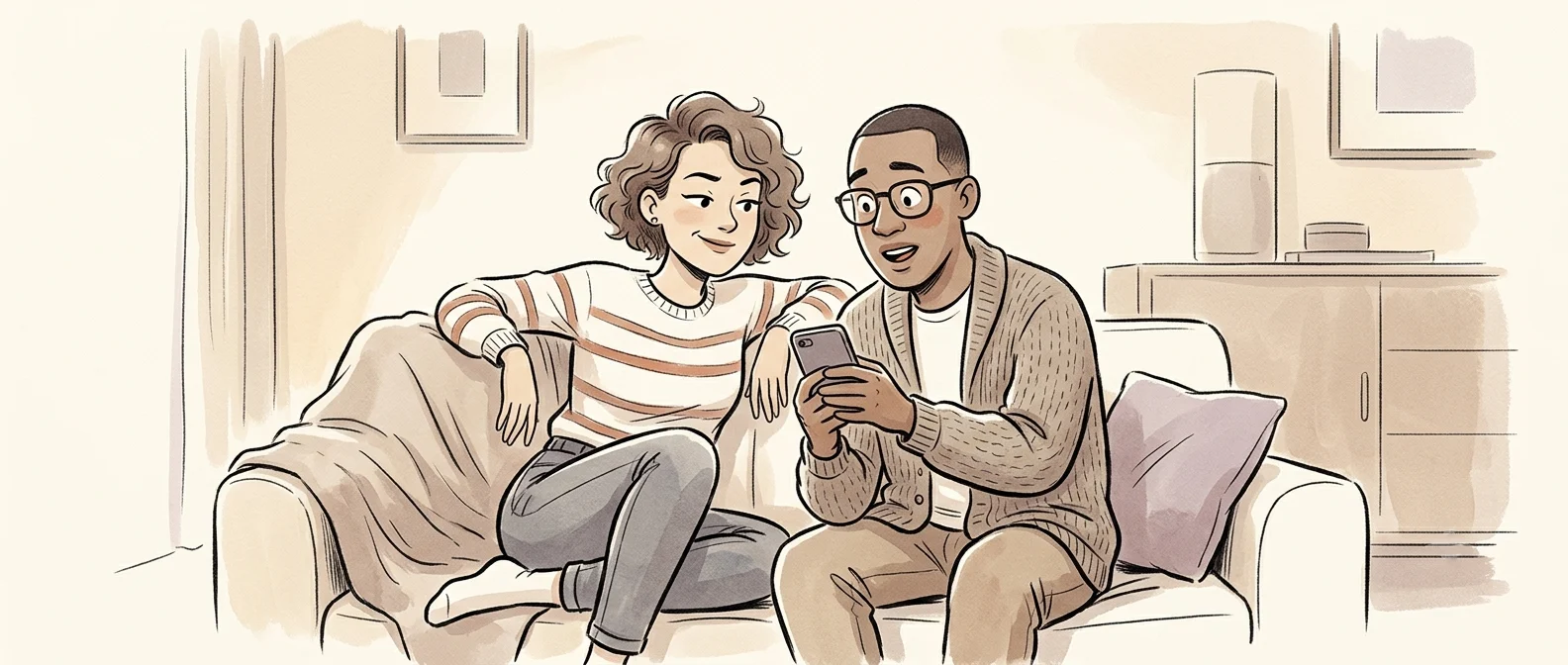
Here's the part that complicates the whole theory. Sometimes the friend doing the investigating isn't reaching at all. Sometimes they look at the reel, look at you, and just know.
Because a stranger seeing the same like would think nothing of it. But your closest friend has context you forgot you gave them. They remember the ex you don't bring up anymore. They remember the job thing you're still upset about but have stopped saying out loud. They remember your specific, embarrassing sense of humour, the one only three people alive actually understand.
So when they see the reel, they're not really reading the like. They're reading you, using the like as the opening line.
That's not a wild accusation. That's just someone who has known you long enough to notice the pattern before you do.
Why We Look For Meaning in the Smallest Places
There's a reason this behaviour feels so natural, even when it's clearly overreaching. People are pattern-finders by default. We take small, ambiguous signals and fit them into the story we already have of someone, because a half-formed clue feels more satisfying than no clue at all.
With someone we already know, this gets faster and more confident. We already have a working theory of who they are, so a new data point, even one as small as a like, doesn't get evaluated on its own. It gets slotted straight into the existing story.
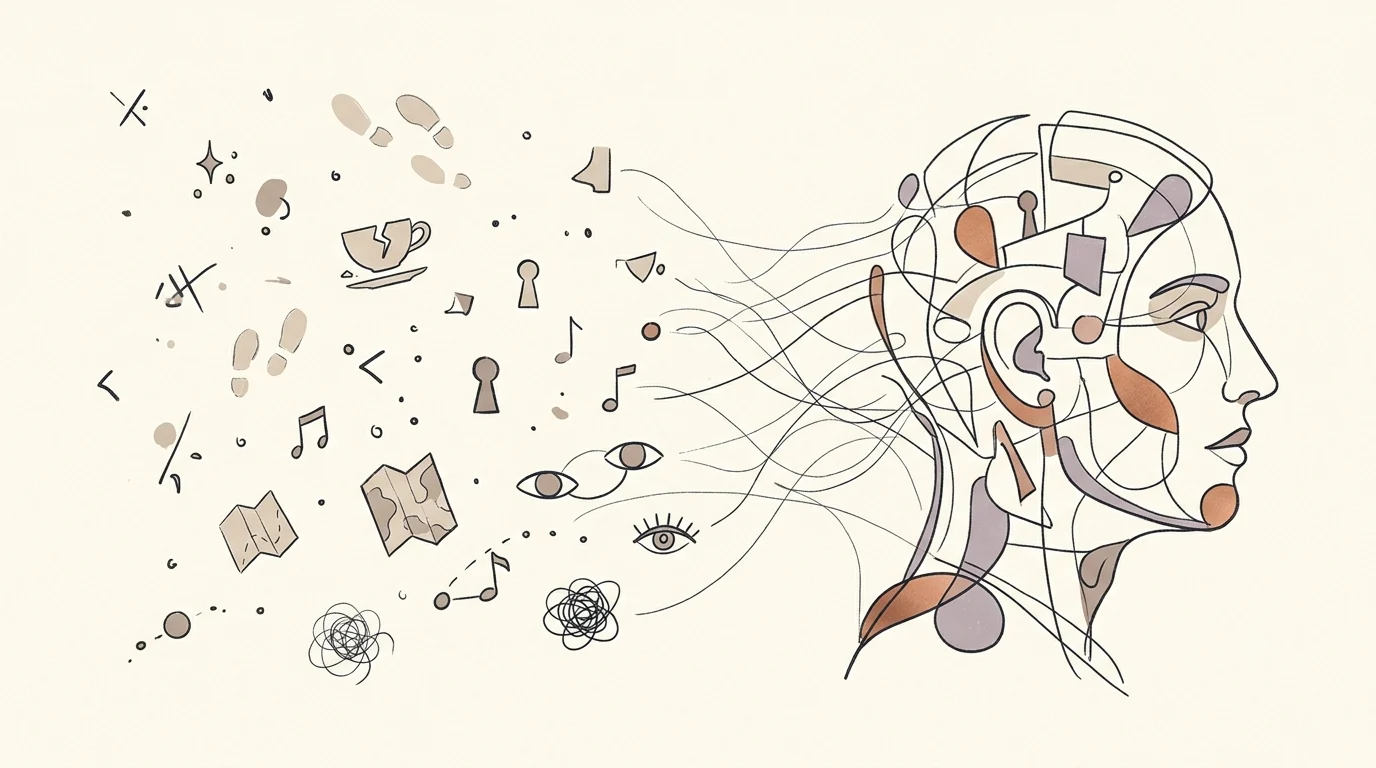
That's why the same reel can mean nothing coming from an acquaintance and everything coming from you. Context isn't just helpful here. It's doing almost all of the actual work.
Your Likes Are Not Your Autobiography
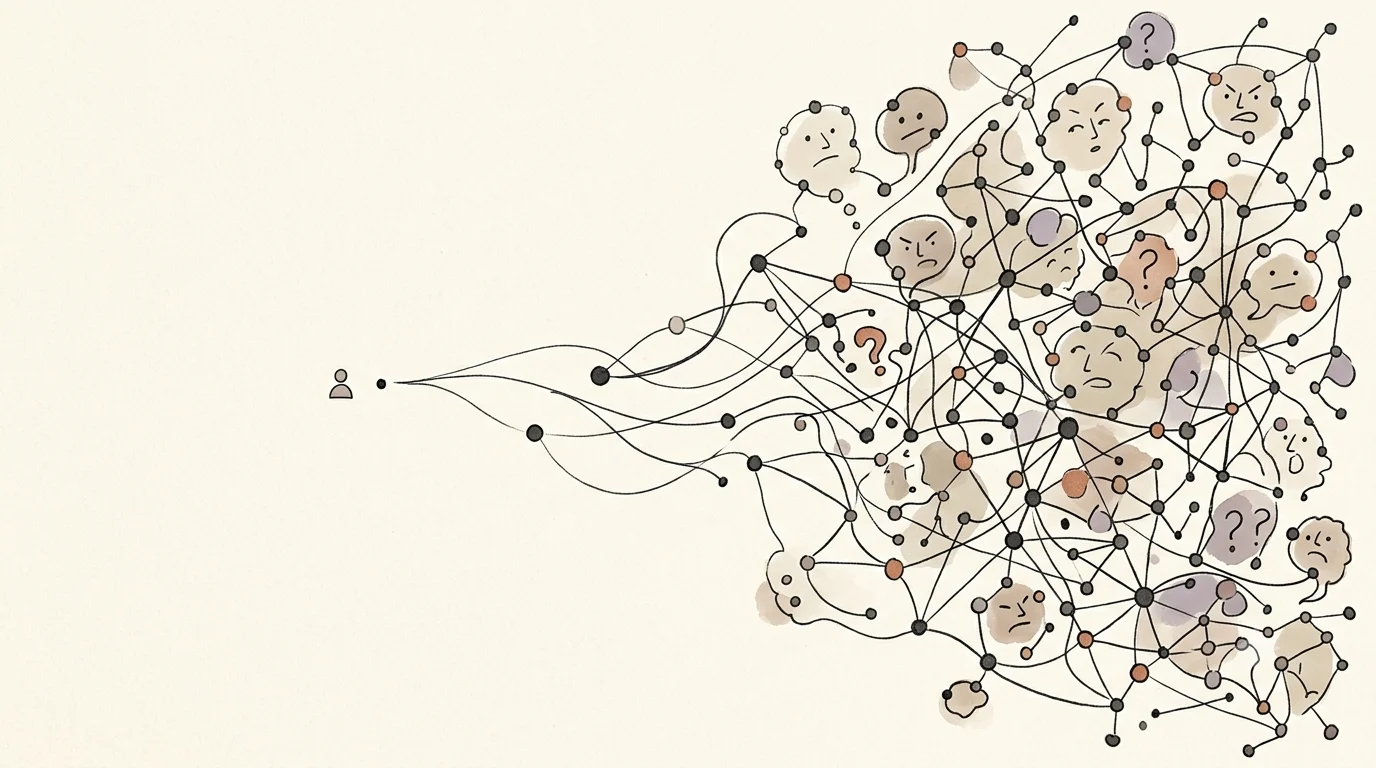
And yet. Ask anyone mid-interrogation and they'll insist, correctly, that a like is not a confession.
You can like a joke without agreeing with the joke. You can like a painfully relatable reel because one specific line landed, not because the entire seven-second video describes your life. You can like a heartbreak reel for the editing. You can like something because the audio is stuck in your head and you wanted to remember it, not because you were thinking about anyone in particular.
None of that gets recorded anywhere. Your friends only see the outcome, the like, never the actual reason behind it. So they fill in the reason themselves, and the reason they choose usually says more about what they already suspect than what actually happened.
This is the contradiction sitting underneath the whole habit. A liked reel can be completely accidental and quietly revealing at the same time, and there's no way to tell which one it is just by looking at it.
Why Friends Get Away With It
If a stranger went through your liked reels and started making assumptions about your life, it would feel invasive, maybe even alarming. When a friend does the exact same thing, it's funny.
The difference isn't the behaviour. It's the relationship carrying it. Teasing someone about their liked reels only works as closeness, not surveillance, when there's already trust underneath it. It's a way of saying I pay attention to you, dressed up as an accusation. Though every so often the joke does land a little too close, and that's usually the moment someone quietly stops liking things in front of an audience.
The New Version of "I Know You"
Before any of this, friends learned each other through slower things. Conversations. Repeated jokes. The specific way someone goes quiet when something's actually wrong versus when they're just tired.
Now there's an extra layer sitting underneath all of that. What you like. What you send without a caption. What you rewatch so many times the algorithm starts recommending it back to you like it's telling on you. None of it is meant to say anything. It's just where your thumb landed for a second.
But it adds up somewhere, apparently. And the people closest to you have gotten weirdly good at reading it, sometimes better than you'd like them to.
So, Are We Being Read Correctly, or Just Read Into
Which brings it back to the actual question. Are our liked reels expressions of who we are, or are our friends just reading way too much into a thumb movement?
Probably both, depending on the week. Sometimes your friend is running an entire investigation off one reel you don't even remember liking, building a theory out of nothing, and you're right to tell them it meant nothing, because it genuinely did.
And sometimes they see the reel, say nothing, just glance at you for half a second longer than usual, and you realise they already know exactly what it meant, before you were ready to say it out loud yourself.
Your friends don't need real evidence.
They just need a theory, and you, apparently, keep giving them material.
Maybe your liked reels aren't a full account of who you are. They're not supposed to carry that much weight. But they are small, involuntary fragments of your attention, scattered across a feed you thought no one was really watching. And somewhere along the way, your closest friends learned to collect those fragments and stitch them into a story about you, sometimes wrong, sometimes uncomfortably accurate, always with more confidence than the evidence actually deserves.