

Nobody asks "what are we" anymore because they are scared of the answer. They ask it because they already know, and they are hoping you will say it first.
Situationship is one of those words that got a laugh the first time you heard it and then quietly became the most accurate description of your last three relationships. Not a relationship, not nothing either. Something that has all the intimacy and none of the naming.
It is easy to treat this like a Gen Z quirk, a funny new term for an old problem. It is not that simple. This is a shift in how an entire generation relates to commitment, and it did not happen by accident. It happened slowly, through a hundred small cultural signals telling us that wanting something clearly defined makes us look less desirable, not more secure.
Nobody Wants to Be the One Who Asks
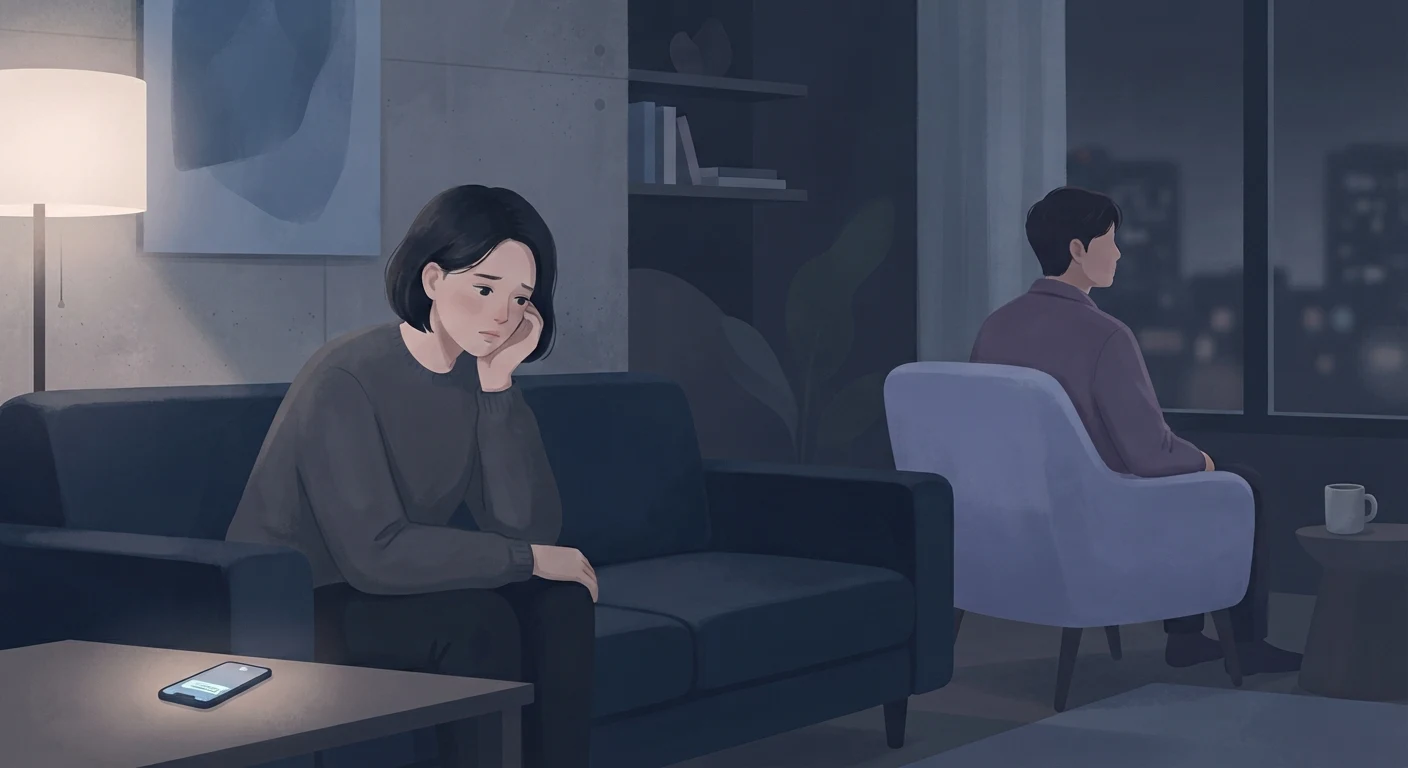
Somewhere along the way, asking "what are we" stopped being a normal question and started being a test you could fail. Ask too early and you look needy. Ask too late and you look like you did not care enough to bring it up sooner. So people wait, hoping the other person says it first, and both sides end up performing indifference at each other for months.
The strange part is that everyone involved usually wants the same answer. They are just terrified of being the one who wanted it more visibly. It becomes a quiet standoff, two people who talk every day, who have met each other's friends, who know how the other one takes their coffee, refusing to say a sentence that would take four seconds to say out loud.
What makes it worse is that the question itself has been turned into a character flaw. Somewhere between one generation and the next, wanting to know where you stand became evidence that you are too invested, too eager, too much. So the question sits unspoken, and the relationship keeps running without anyone agreeing on what it actually is.
Commitment Got Re-branded as Control
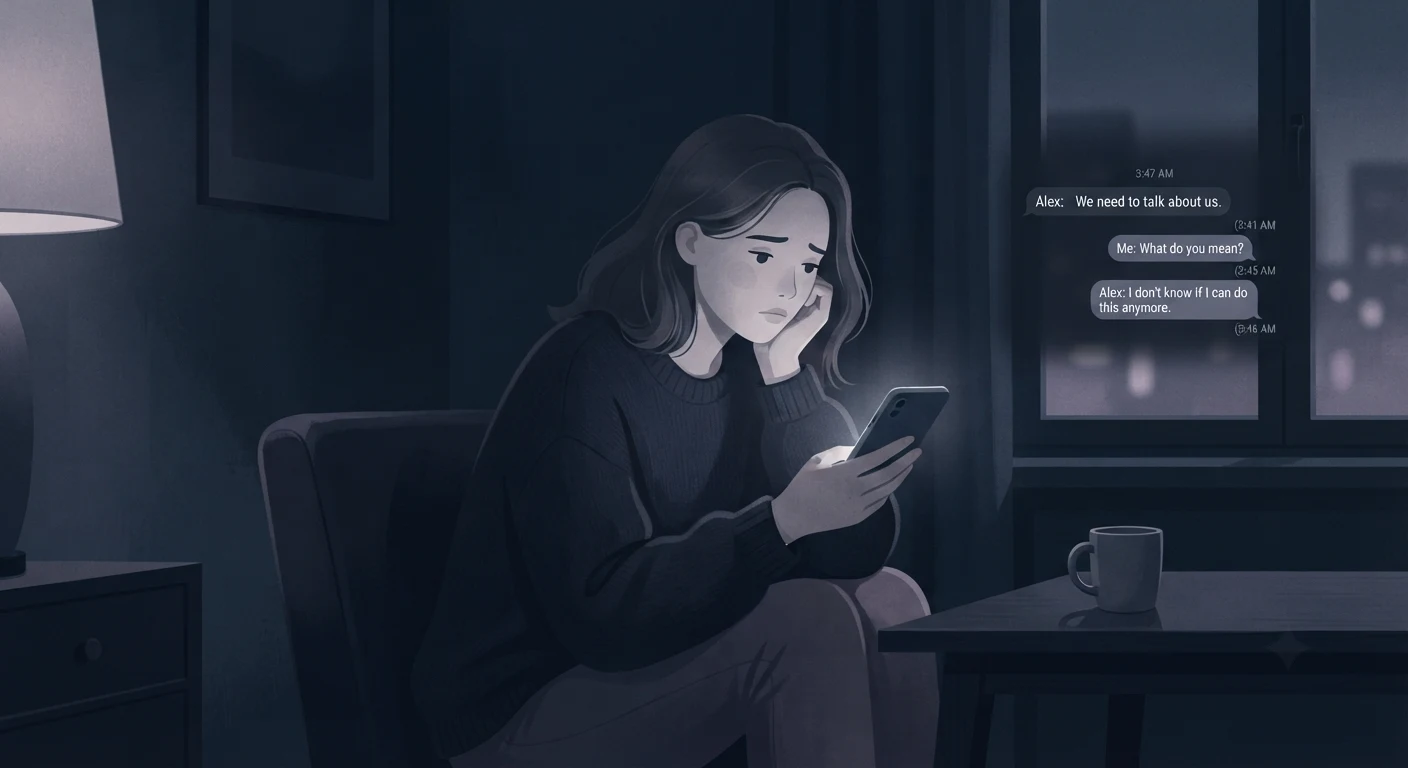
There is a specific kind of pressure now to seem unbothered. Wanting clarity gets read as insecurity. Wanting a label gets read as trying to trap someone. So the person who actually wants something real learns to hide it, because wanting it out loud has become the less attractive move.
This did not come from nowhere. A lot of us watched relationships around us that were defined but unhappy, labeled but controlling, and absorbed a lesson that was only half true: that structure is what makes a relationship suffocating. So we swung the other way, treating the absence of structure as proof of health. Nobody stopped to ask whether the problem was ever the label itself, or just what some people did with it.
Somewhere the ability to walk away got confused with the ability to actually love someone.
They are not the same skill.
Being able to leave easily is not the same as being emotionally healthy. Sometimes it is just a well-practiced habit of never staying long enough to find out what commitment would have required of you.
The Apps Made Options Feel Infinite
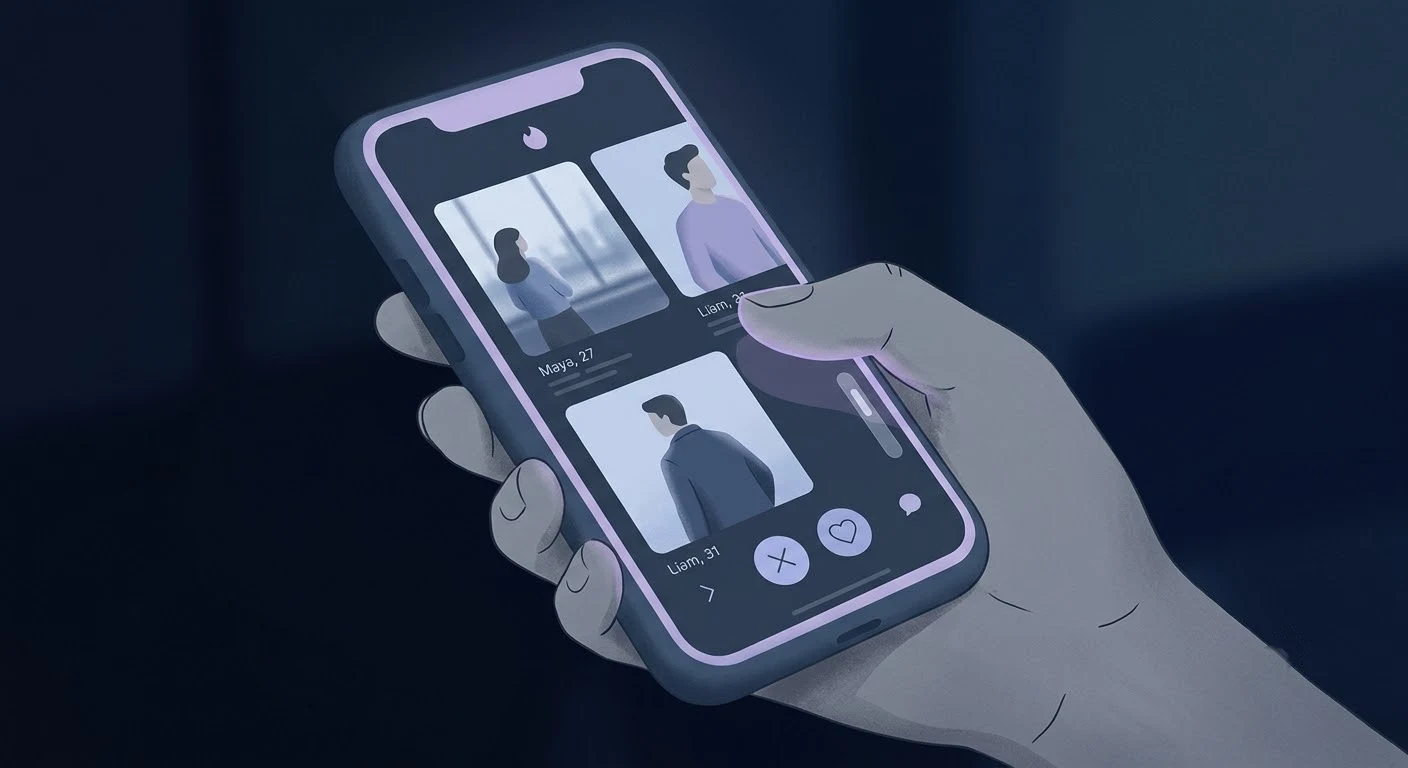
Dating apps did not invent ambiguity, but they made it easy to live inside it. When there is always another profile, another conversation starting somewhere else, committing to one undefined thing feels less final than it used to. Walking away from someone you have not even labeled feels lighter than it should, because there is always a version of you that assumes someone better is one swipe away.
That is not really about romance anymore. Is it about someone, or is it about keeping every door open at once? The apps trained an entire generation to treat people like tabs left open in a browser, easy to return to, easy to close, rarely given the full weight of attention any single one of them deserved.
And because there is always a next option loading, staying in an undefined space with someone starts to feel less like avoidance and more like efficiency. Why close one door before you know what is behind the others. Except a person is not a door. They notice when they are being treated like one.
Everyone Involved Knows Exactly What This Is
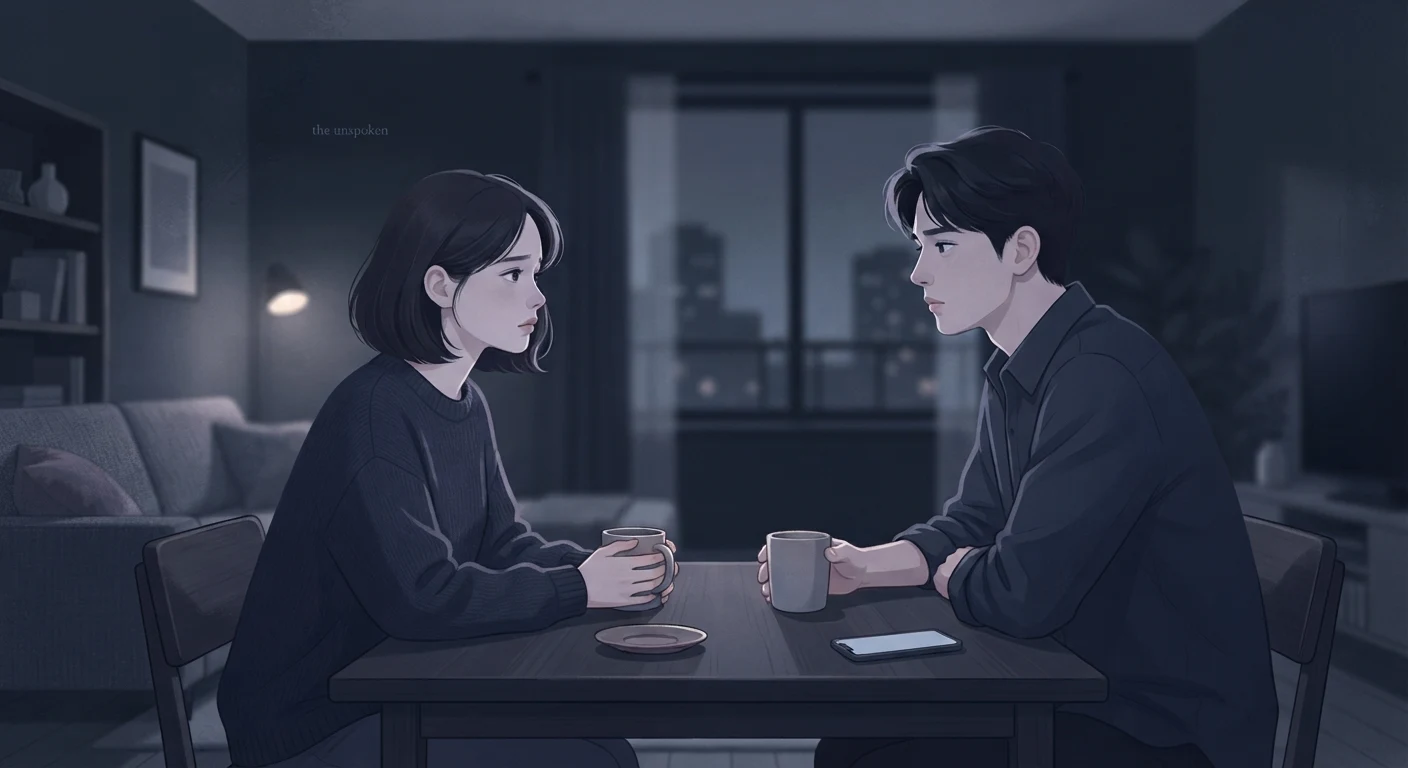
The most common myth about situationships is that they happen by confusion, that someone genuinely does not know what is going on. Most of the time, both people know exactly what this is. One person is protecting their options. The other is hoping consistency will eventually turn into commitment. Nobody is confused. They are just choosing not to say the quiet part out loud.
That is not naivety.
That is two people making a quiet, unspoken deal and hoping the terms shift in their favor eventually.
The person hoping for more tells themselves this is patience. The person avoiding the label tells themselves this is honesty, since at least they never promised anything. Both stories let everyone keep going without anyone having to admit what they actually want, which is exactly why the arrangement survives as long as it does.
The Silent Contracts People Draft Without Talking

Every situationship runs on rules nobody wrote down. You do not ask about other people they are seeing. You do not bring up the future. You show up for the good parts, the late night conversations, the weekend plans, and you quietly agree not to ask for the parts that would make it official. It works, for a while, because both people are following a contract that exists only in behavior, never in words.
The trouble is that unspoken contracts can be renegotiated by only one party at any time, without warning. One person can decide the terms have changed and simply stop showing up, and there was never an agreement to point back to, because there was never an agreement at all. That is the real risk hiding under the convenience. Not heartbreak exactly, but the particular disorientation of losing something you were never allowed to call a relationship in the first place.
What Saying Undefined Actually Protects You From
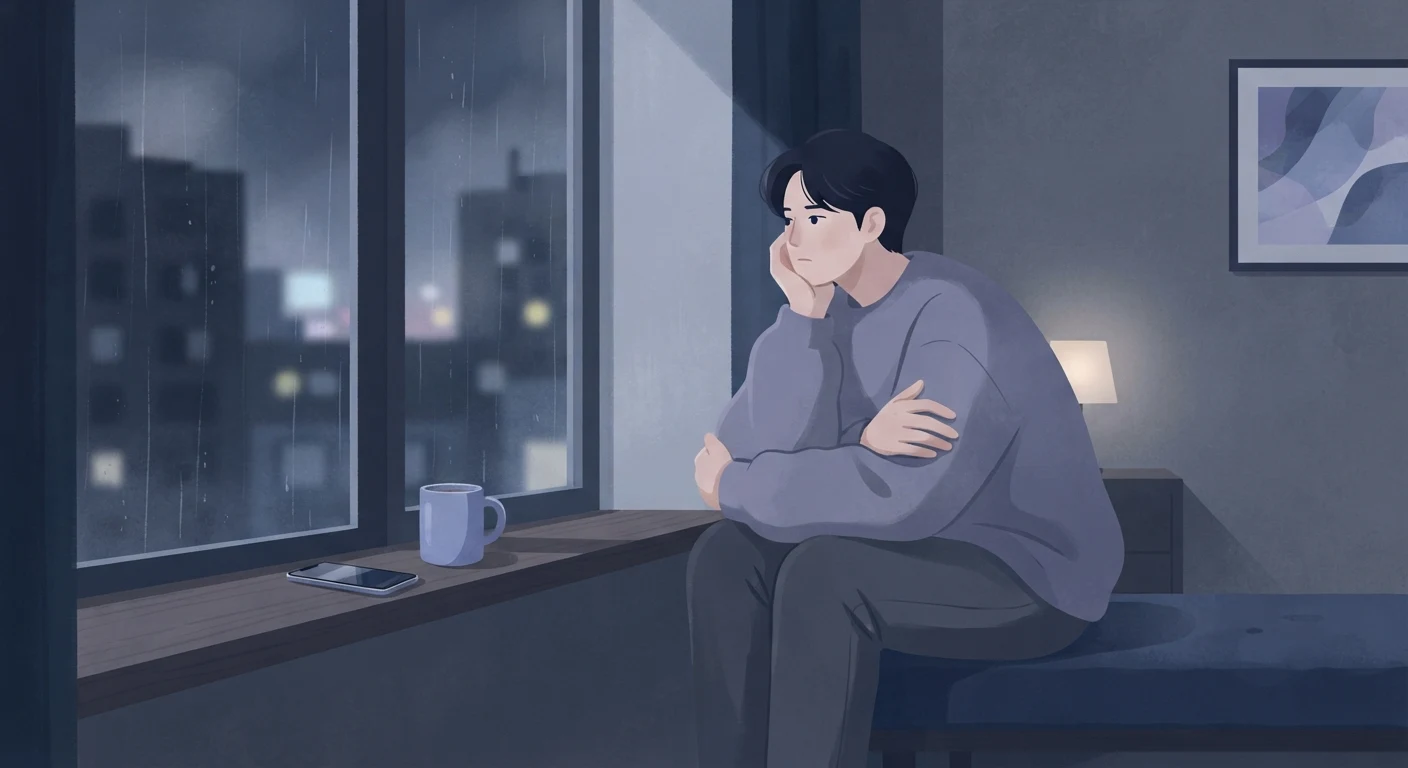
Staying in the in-between is not always weakness. Sometimes it is the only way people know how to protect themselves from rejection. If nothing was ever official, nothing really ended. If you never asked, you never got told no. Ambiguity becomes a kind of armor, uncomfortable, but familiar enough to live inside for a while.
The cost is quieter than heartbreak. It is the slow accumulation of time spent on something you were never allowed to fully want. It is checking your phone with a specific kind of hope you would never admit to a friend. It is rehearsing conversations you never actually have, because having them would mean finding out the answer.
None of this makes a person weak for choosing it. It usually means they have been hurt by clarity before, by asking a question and getting an answer they were not ready for. Protecting yourself from that is a reasonable instinct. The only question worth sitting with is how long you are willing to pay that particular cost before the protection starts costing more than the risk ever would have.
Wanting Something Real Is Not The Embarrassing Part
The version of this that actually protects you is not staying detached forever. It is being honest with yourself about what you want before you decide whether staying undefined is worth it.
Nobody talks about how much energy it takes to keep pretending you do not care. Wanting clarity was never the immature move. Pretending you do not want it, just to seem easier to be around, always was.
The people who eventually get the relationship they wanted are rarely the ones who played it cool the longest. They are usually just the ones who got tired of pretending first, and said the plain sentence everyone else was too afraid to say.
How do I ask "what are we" without sounding needy?
Stop worrying about looking too eager and just say the plain sentence out loud. Wanting clarity is not a character flaw, and pretending you do not care is only draining your own energy. If asking a simple question scares them away, they were never going to stay for the real commitment anyway.
Is it a bad idea to wait around and hope they eventually want to commit?
Recognize that you are making an unspoken deal where you hope patience will magically turn into commitment. In reality, staying silent only teaches them that they can have all the benefits of your company without ever having to choose you. Be honest with yourself about whether you are actually okay with this arrangement, because waiting around rarely changes the terms.
Why does it hurt so much when a situationship ends if we were never official?
Allow yourself to grieve because losing a connection you were never allowed to name is incredibly disorienting. You are not just mourning the person, but also the silent future you were secretly hoping for. It hurts because your feelings were entirely real, even if the label never was.
How do I stop falling into situationships when I actually want a real relationship?
Lead with what you actually want right from the beginning and stop playing it cool to keep someone around. It feels risky to be vulnerable, but it acts as a natural filter for people who are only looking to keep their options open. The right person will find your clarity refreshing, not terrifying.