

Let's cut to the chase - budgeting isn't the thrilling party topic your finance professor makes it out to be. But it's also not the soul-crushing exercise your broke college friend claims it is. The truth? Gen Z is quietly rewriting the rulebook on how to handle money, and spoiler alert: it's actually working.
Gone are the days of hiding your financial stress or pretending that iced latte habit doesn't exist. In 2026, the students and young professionals who've cracked the money code are doing something radically different, they're being honest about it. Let's explore what's actually working, without the fluff or financial fiction.
Your Wallet, Your Rules, Your Voice 👛
Here's where Gen Z decided to flip the script entirely. Remember when talking about money was taboo? Awkward? A complete social liability?
Welcome to "loud budgeting" - the unapologetic art of telling your friends, family, and anyone within earshot exactly what you can and cannot afford. 42% of Gen Z have openly communicated their financial limits to friends and family, eliminating the guilt-tripping that comes with declining a $50 concert ticket or pricey dinner invitation.
The brilliance here isn't just the transparency, it's the freedom. When you stop pretending to have money you don't have, something magical happens: you actually enjoy the experiences you can afford. Around 40% have cut back on dining out, and 24% have passed on events with friends while managing rising costs. But they're doing it without the shame spiral.
Your Action Step: Have one honest money conversation with your closest friend this week. You'll be shocked how many are silently stressed about the exact same things.

The 50/30/20 Framework 💸
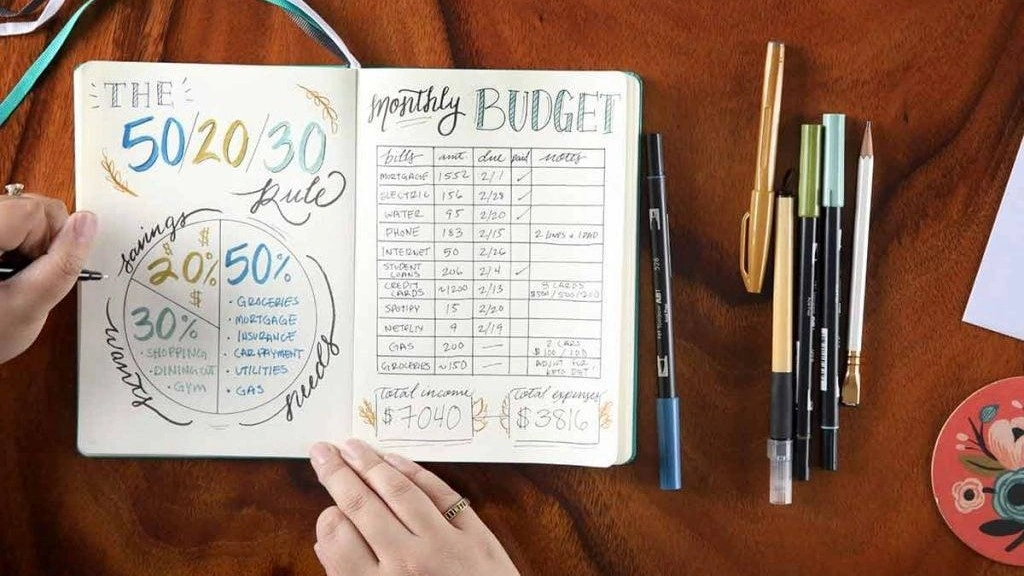
By now, you've probably heard of the 50/30/20 rule - 50% of your take-home pay for needs (housing, utilities, groceries, transportation), 30% for wants (dining out, streaming subscriptions, travel), and 20% for savings and debt payments.
It's simple. It's elegant. It's also completely unrealistic if your rent alone eats 40% of your paycheck.
Here's what Gen Z students are actually doing: treating it like a starting suggestion, not a scripture. If prioritizing savings is your goal, many are shifting to a 60/10/30 split instead maintaining roughly the same framework while adjusting for real life expenses.
The key isn't hitting the exact percentages each month. The key is knowing where your money goes. Once you own that number, you can adjust it.
Reality check: If you make $2,000 monthly after taxes, your 50% ($1,000) needs to cover rent, groceries, utilities, and transport. If your rent alone is $800, you're already squeezed. That's not a personal failure that's just 2026. Adjust your percentages and keep moving forward.

Real-Time Tracking ⏭️
Let's be honest spreadsheets are the productivity equivalent of energy drinks: everyone swears they work, nobody actually maintains them.
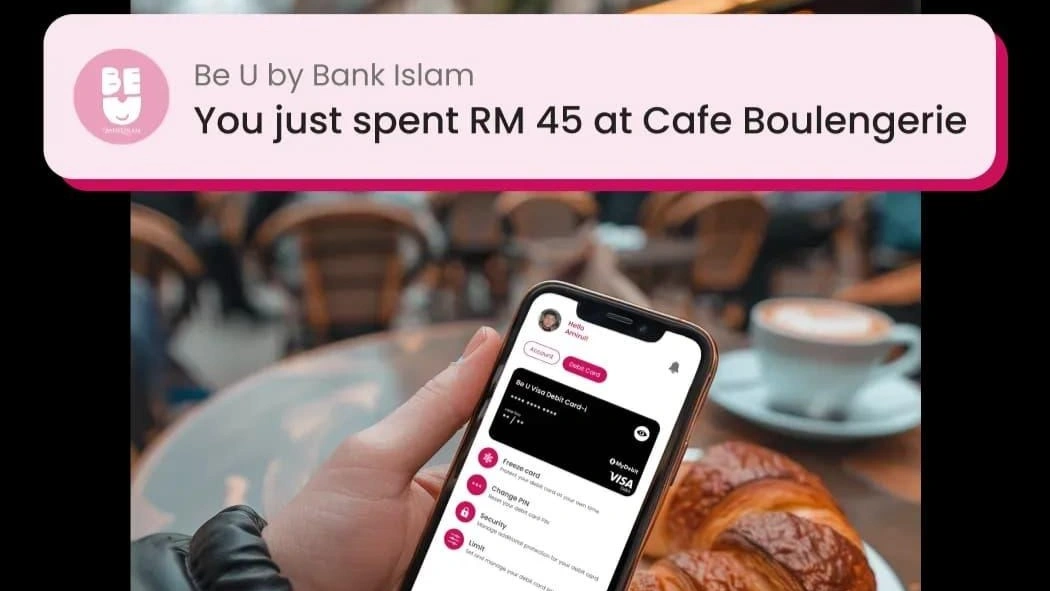
Gen Z is rejecting static monthly budgets for real-time tracking apps like Cleo, Emma, and Revolut, which provide instant updates on spending, savings goals, and cash flow directly to their phones. You get notified the moment you splurge, which turns budgeting from a monthly guilt trip into a gentle daily awareness practice.
AI-powered finance apps now suggest savings moves, alert users to overspending, and even nudge them with gamified challenges making it feel less like punishment and more like you're playing a game with your money.
The difference this makes: Instead of discovering you've spent $200 on food delivery in November, you know it by October 15. Behavioral economics says this real-time feedback actually changes how you spend.

Your Grandma's Budgeting Method Goes Viral 👵🏻
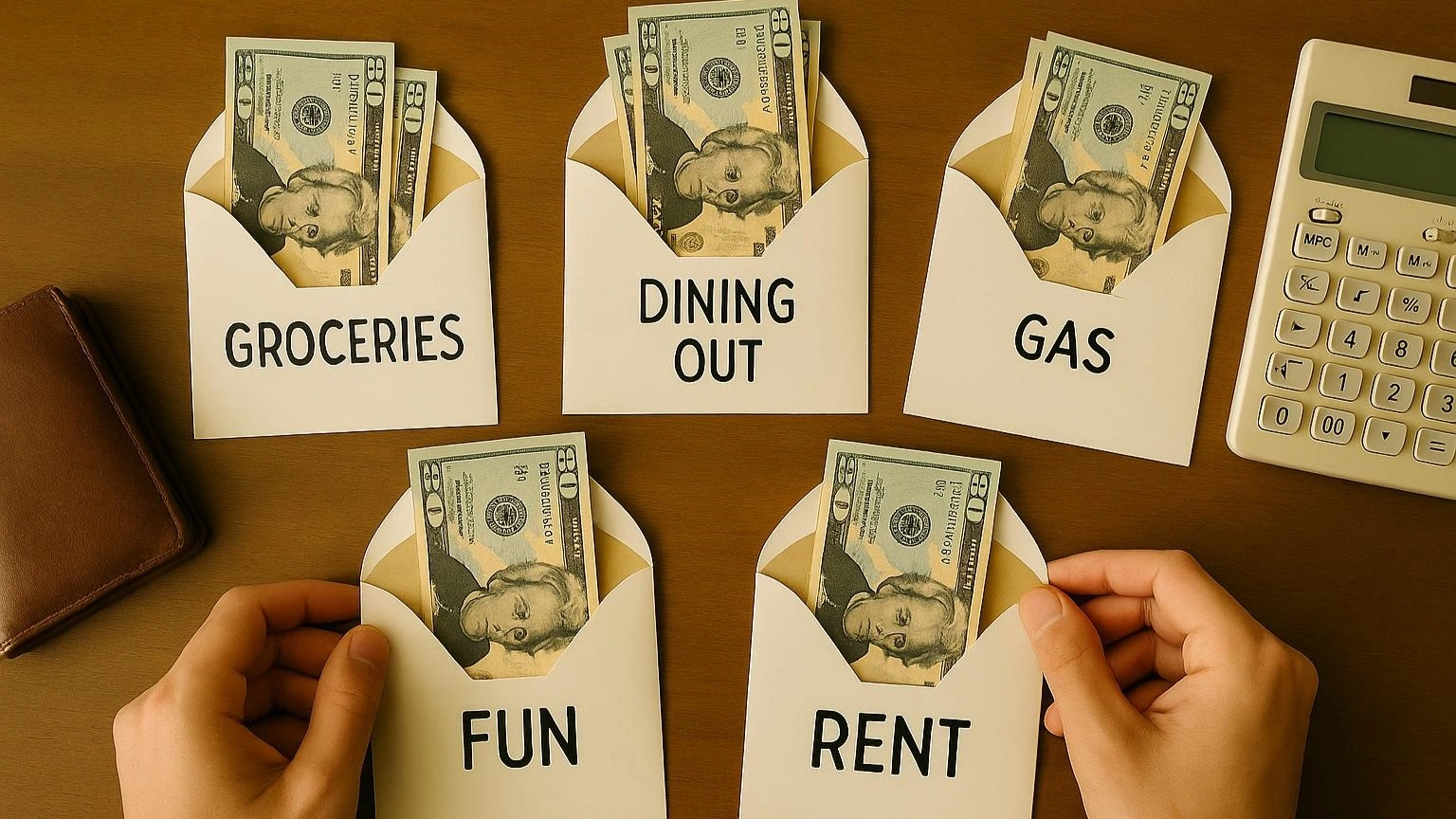
This one's wild. Cash stuffing has become a trending personal finance practice among Gen Z, where users divide currency into labeled envelopes for groceries, rent, utilities, savings, and other expenses, assigning every dollar a purpose before spending begins.
It sounds analog in a digital age, which is precisely why it works. There's something psychologically satisfying & limiting about physically running out of cash. When the grocery envelope is empty, you stop buying groceries. No mysterious algorithm, no "just one more click" temptation. Just physics.
The trendiest part? TikTok creators are filming themselves organizing their cash, and yes, it's somehow mesmerizing and motivating simultaneously.

No-Buy Challenges ❌
Picture this: you and your friends decide to stop buying non-essentials for a month. Not as a deprivation stunt, but as a genuine challenge to see what you actually miss versus what was pure impulse.
The No-Buy Challenge has become a trending budgeting approach among Gen Z, where users create lists of items they can't spend money on for a specific period ranging from daily coffees to Netflix subscriptions. It's not about never having fun; it's about intentionality.
Most students report that after 30 days, they realize they don't even want half the stuff they cut out. The subscription they thought was essential? Forgotten. The daily coffee ritual? Actually just a habit, not a necessity.


Income Stacking: One Job Isn't Enough, So Build Your Own Portfolio 🤑
Here's the uncomfortable truth: one part-time job or one salary often isn't enough anymore. And Gen Z knows it.
64% of Gen Z respondents said having multiple ways to earn money is essential for financial security, with 55% believing traditional employment will become obsolete, and 39% already freelancing or planning to do so.
The average Gen Z student isn't just working their campus job they're also freelancing, creating content, tutoring, or running a small online business. Recent survey data puts average side income at roughly $9,800 a year, with close to a third of Gen Z workers managing three or more income streams simultaneously.
This isn't hustle culture propaganda. This is pragmatism. Multiple income streams mean if one dries up, you're not immediately scrambling. Plus, you're building skills that make you genuinely less dependent on any single employer.
The Catch: Burnout is real. The goal is sustainable income stacking, not self-destruction. Start with one skill you can monetize, scale once it's stable.


Emergency Funds: The Non-Negotiable First Step 🚨
Before optimizing, automating, or investing anything, 27% of Gen Z respondents reported having no savings in 2025. That's the real crisis.
Your emergency fund isn't sexy. It won't generate returns. But it's the difference between a minor setback (car repair, unexpected expense) and a life-altering disaster (debt spiral, housing instability).
Target 3-6 months of expenses. If that seems impossible, start with one month. Then two. Progress over perfection.


Splitwise Isn't Just for Shared Vacations 🏞️
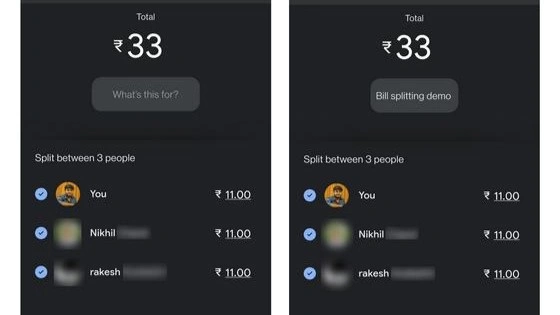
Gen Z is being collaborative with money; roommates split grocery bills with Splitwise, friends pool funds for trips with joint savings tools, and group budgeting is becoming normalized.
Shared expenses aren't just cheaper; they're also more transparent. When everyone's tracking contributions equally, there's no resentment, no awkward "who paid last time?"

The Bottom Line 🫡
Gen Z isn't reinventing money management with complicated systems or unrealistic expectations. They're doing something more radical: they're being honest about what money actually looks like in 2026, and they're building solutions that fit reality rather than fantasy.
These aren't trendy hacks. They're survival mechanisms disguised as budget tips. And the beautiful part? They actually work.
Your money situation might feel overwhelming right now. But somewhere, a Gen Z student just like you is cash-stuffing, side-hustling, and loudly telling friends they can't afford that brunch. They're managing the same inflation, the same rising costs, the same uncertainty.
The difference is they stopped pretending. And that's where real financial freedom begins.
Your budgeting journey is personal. Start with one strategy that resonates with you. And most importantly be honest with yourself about your financial reality. That's the only budgeting advice that actually matters.
How do I tell my friends I can't afford to go out without feeling like a total buzzkill?
Be completely upfront about your financial boundaries and propose a cheaper alternative instead of just saying no. True friends will understand the honesty, and you will probably find out they are stressed about money too. Try hosting a movie night or cooking a meal at home to keep the social connection without the heavy price tag.
What should I do if my rent is so high that the 50/30/20 rule is literally impossible?
Toss the strict percentages out the window and customize the ratio to fit your actual bills. If your rent takes up forty percent of your income, try shifting to a temporary sixty/ten/thirty split where you adjust your wants down to match reality. Budgeting is about knowing where your money goes, not hitting some perfect textbook formula.
How can I start income stacking without completely burning myself out?
Focus on monetizing just one specific skill you already have and stabilize that single stream before trying to add anything else. Keep your side hours strictly limited so your main job or studies do not suffer. Remember that the goal is financial security, not working yourself into exhaustion.
Does cash stuffing actually work if I rarely use physical cash anymore?
Try a digital version by setting up multiple sub-accounts or digital vaults with your banking app to separate your money. The magic of cash stuffing is simply giving every single dollar a job before you spend it, which you can easily replicate online. Just make sure to turn on instant notifications so you see the balances drop in real time.