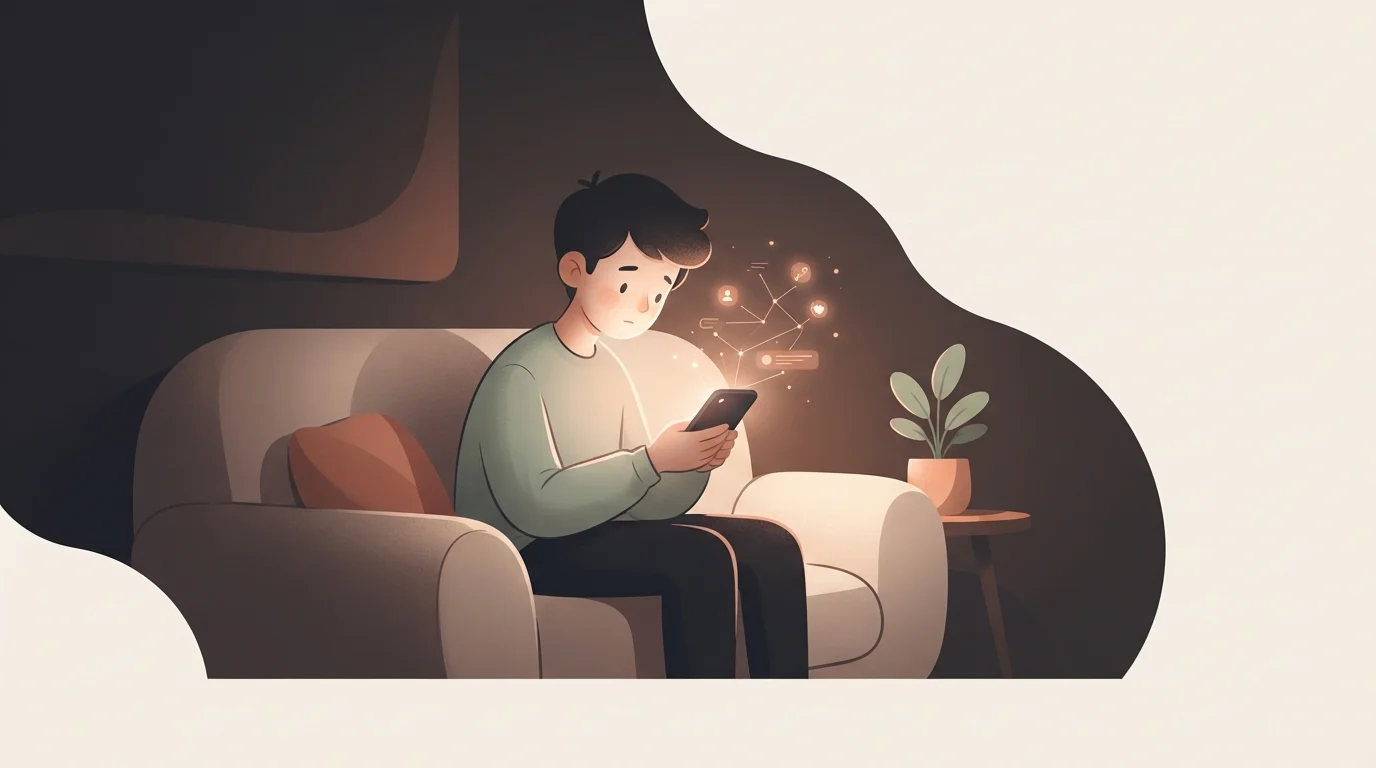

There's something quietly strange happening right now. A generation that grew up more "connected" than any before it, is the same generation lining up to pay a monthly subscription just to feel like someone is listening. Not a therapist. Not a doctor. Just... a friend. Or something close enough to one.
Welcome to the loneliness economy, where companionship has quietly become a product, and Gen Z is one of its biggest customers.
Wait, People Are Actually Paying for Friends?
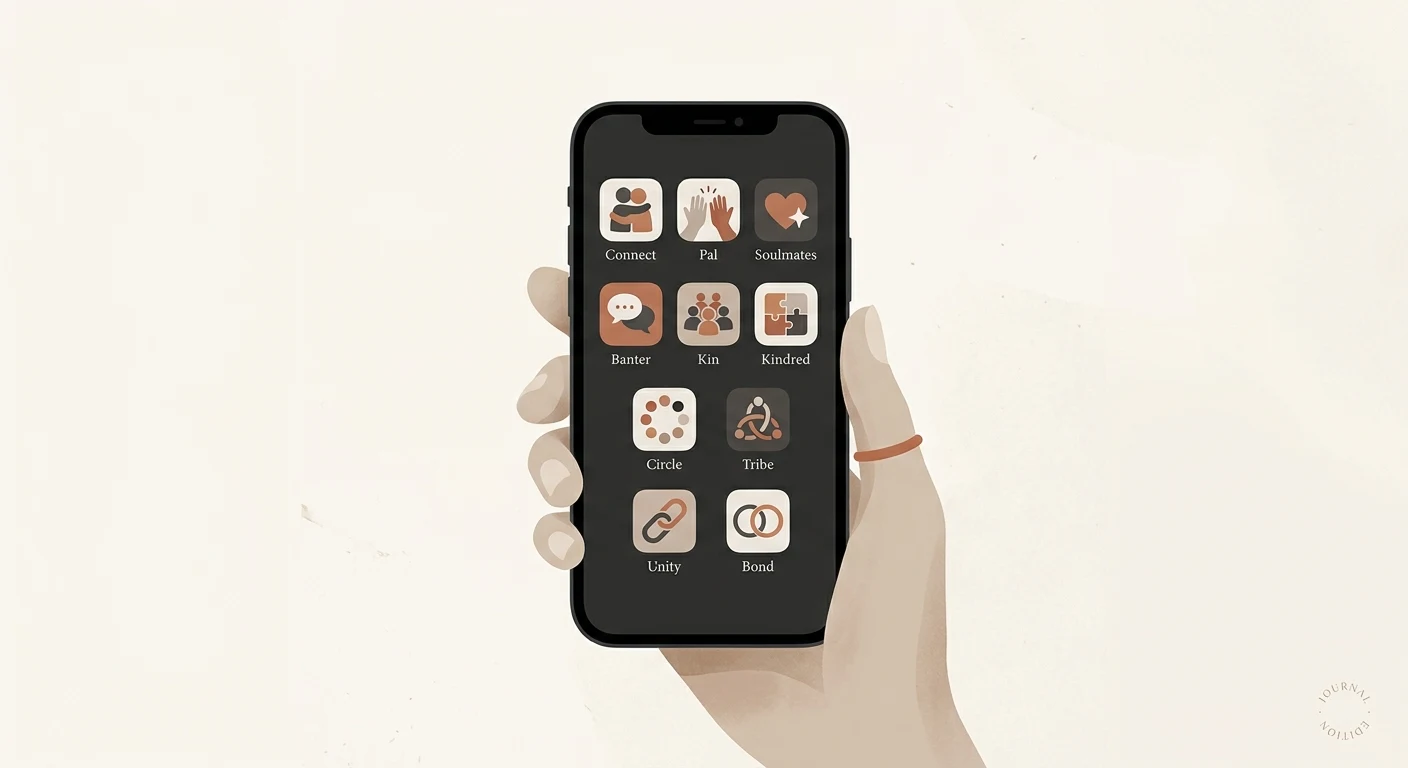
Yes. And not in small numbers either. Apps that offer AI companions, virtual best friends, group chat communities, and even "rent a friend" style services have quietly built massive user bases, with a huge chunk of that audience under 25.
Some of these apps charge a few dollars a month. Others charge for premium chat time, deeper "relationship" features, or ad-free companionship. It sounds almost dystopian when you say it out loud. But when you look at why it's happening, it starts to make a strange kind of sense.
Gen Z Isn't Antisocial, They're Just Exhausted by Social Media
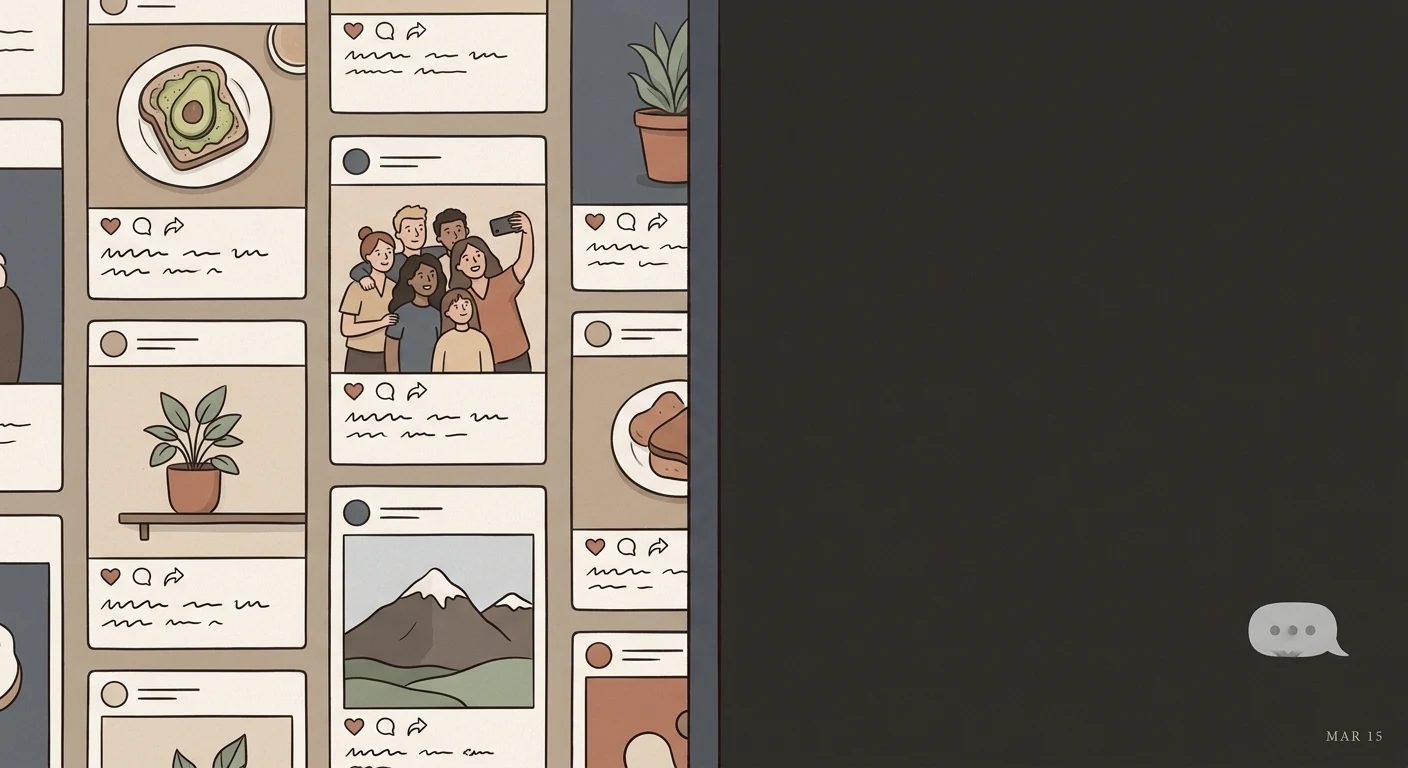
Here's the part people get wrong. Gen Z isn't lonely because they don't want connection. They're lonely because the connection they have online often feels fake, performative, or just plain tiring.
Instagram is a highlight reel. Twitter is a debate stage. LinkedIn is a resume with a pulse. Even group chats can feel like a job, where you have to keep up, respond fast, and perform being okay. Somewhere in all that noise, actual friendship, the boring, safe, low-pressure kind, got harder to find.
So when an app shows up promising zero judgment, zero pressure, and someone (or something) that's always available to talk, it's easy to see the appeal. It's not replacing real friendship. For a lot of people, it's filling a gap that real life stopped filling.
The Pandemic Left a Mark Nobody Talks About Enough
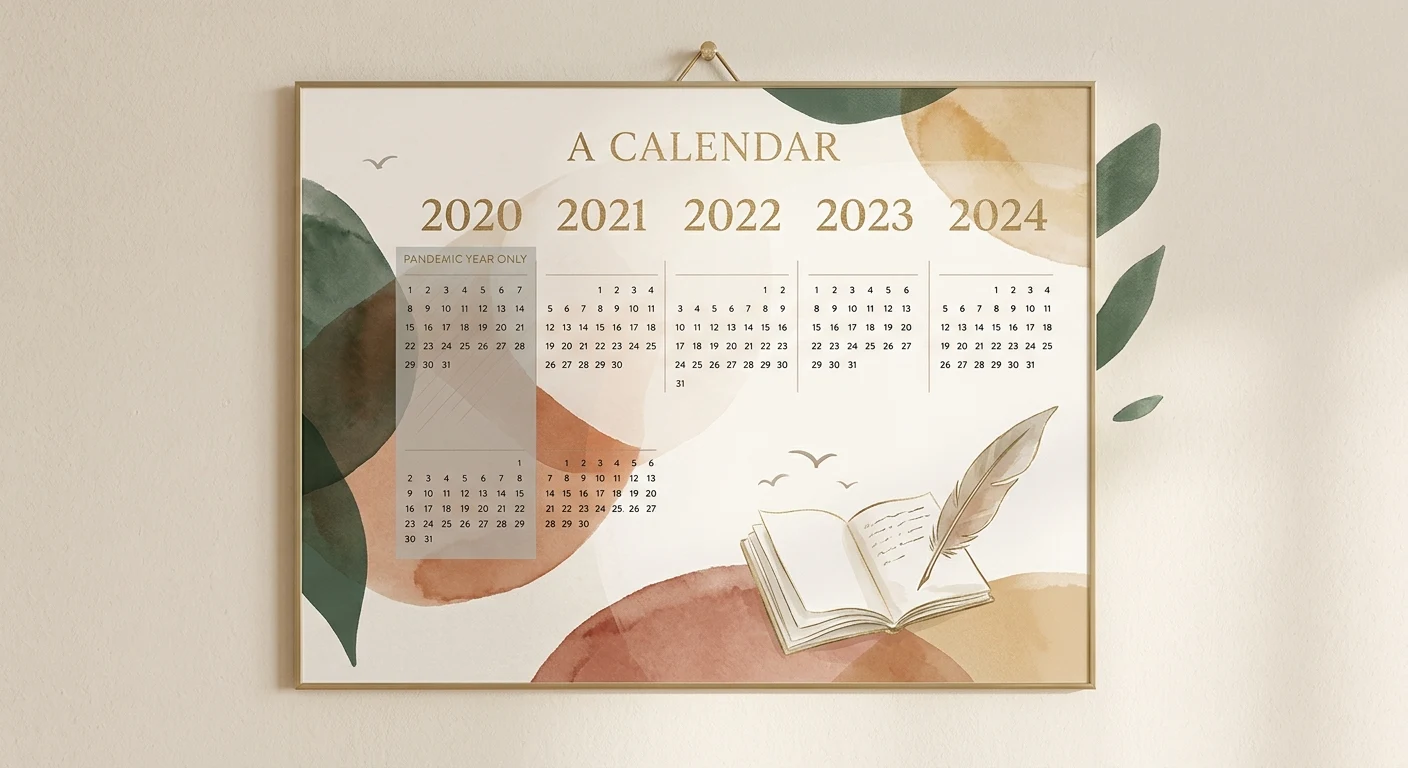
A big chunk of Gen Z hit their teenage years, or their first years of college and early adulthood, during lockdowns. That's exactly the window when people are supposed to be learning how to make friends in person, read a room, sit through awkward silences, and build the kind of social muscle that doesn't come naturally later.
Instead, a lot of that time happened through screens. Now, years later, some of that social confidence just never fully formed. Paid friendship apps step into that gap almost too easily, offering a low-stakes way to practice talking to someone without the fear of being judged or rejected.
Loneliness Has Become a Business Model
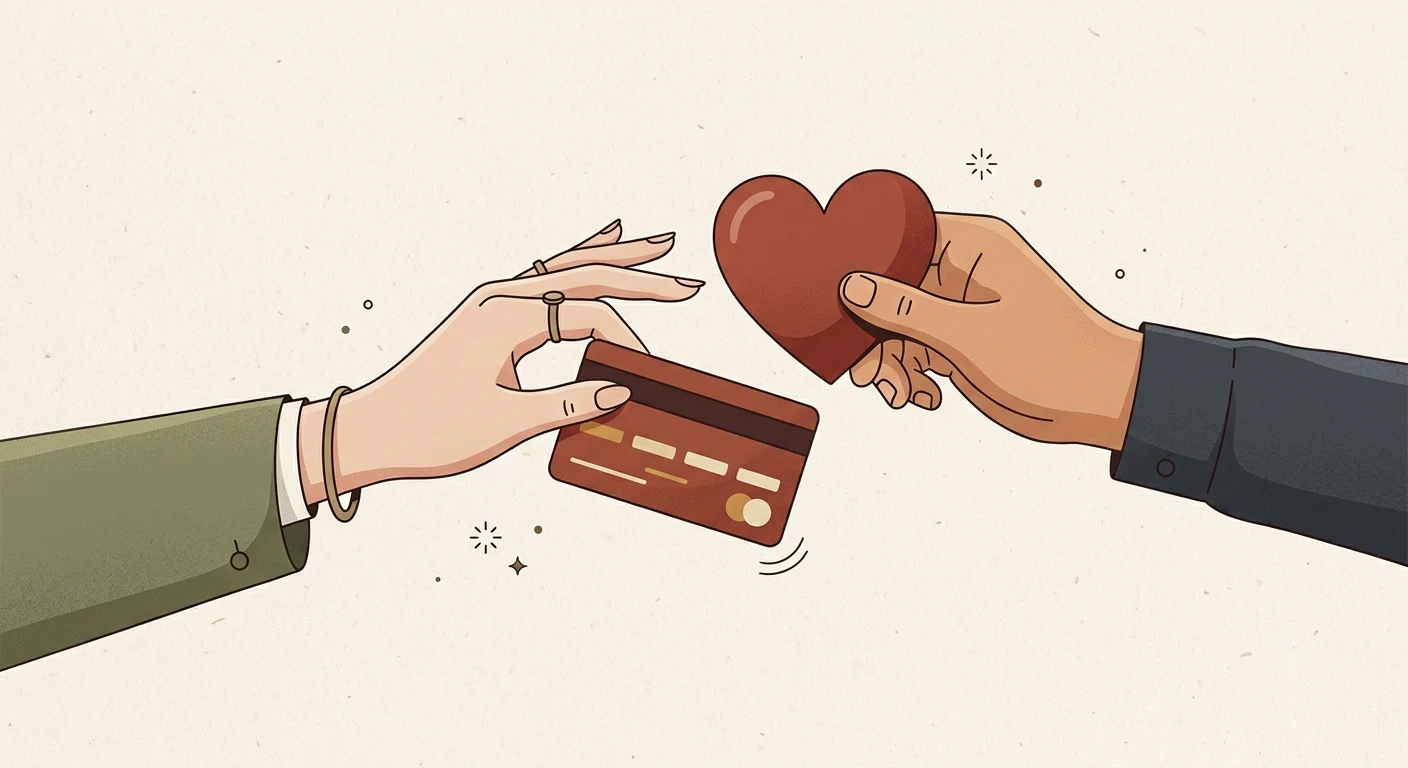
Companies aren't blind to any of this. Loneliness has been described as a public health concern for years now, and where there's a widespread emotional need, there's usually a business opportunity right behind it.
AI companion apps are designed to remember your day, ask how you're feeling, and respond in a way that feels caring. Some are built specifically to never argue, never get busy, and never leave you on read. That's not an accident. That's the product.
It's comforting on the surface. It's also a little unsettling once you realize that comfort has a price tag attached to it.
Is This Actually Bad, Though?
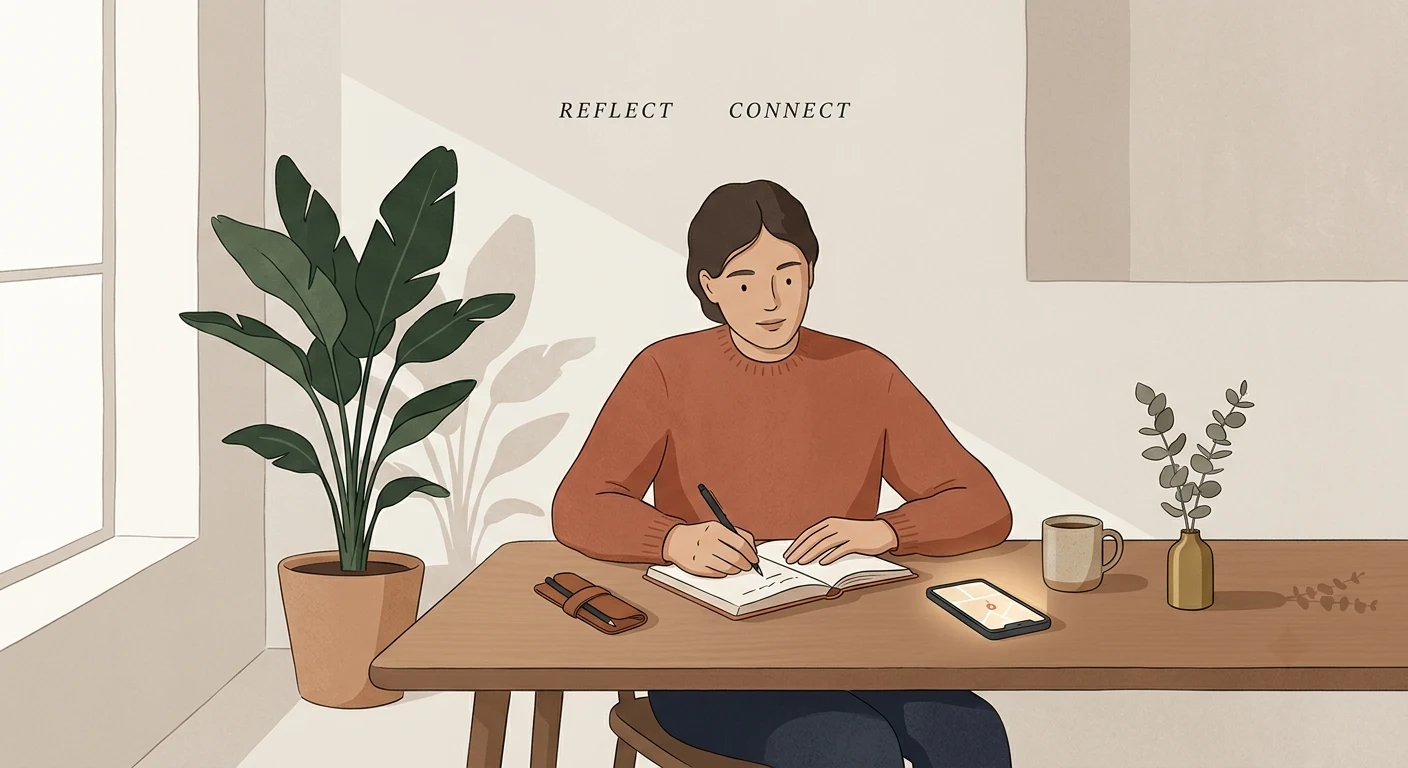
Not entirely, and it's worth being fair here. For someone dealing with social anxiety, isolation, grief, or just a rough patch, having a space to talk without fear of judgment can genuinely help. Some people use these apps as a stepping stone, a way to practice opening up before they try it with real people.
The concern isn't that these apps exist. The concern is what happens when they become the destination instead of the bridge. Convenience is comfortable. But real friendship, the kind that pushes back, disagrees with you, shows up late sometimes, and still stays, that's the kind that actually builds resilience.
So Why Does This Matter Beyond Gen Z?
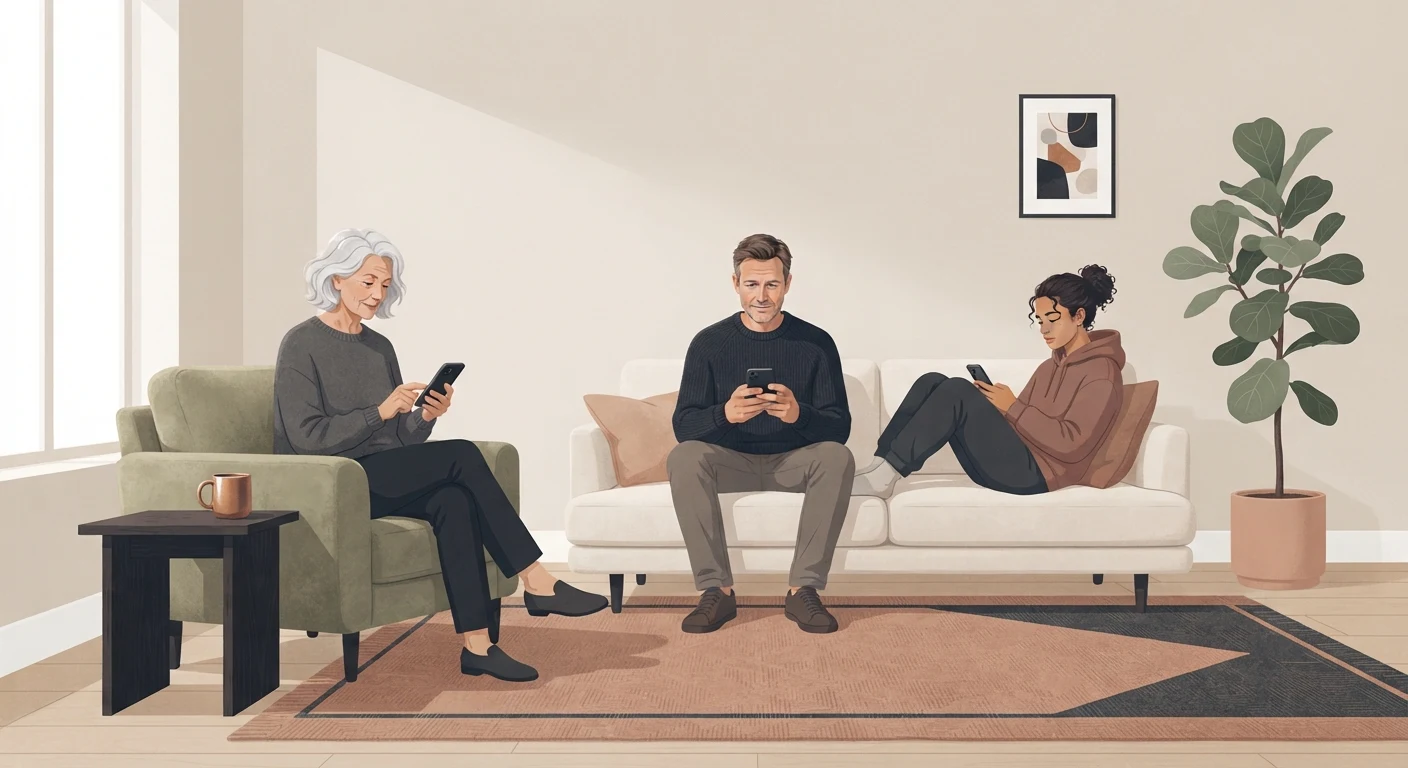
Because this isn't really just a Gen Z story. It's a preview. If an entire generation is comfortable paying for simulated companionship today, it says something about where connection, and disconnection, might be headed for everyone else too.
The loneliness economy isn't going away anytime soon. If anything, it's likely to grow. The real question isn't whether people should use these apps. It's whether we, as a society, are paying enough attention to why so many people needed them in the first place.
Final Thought
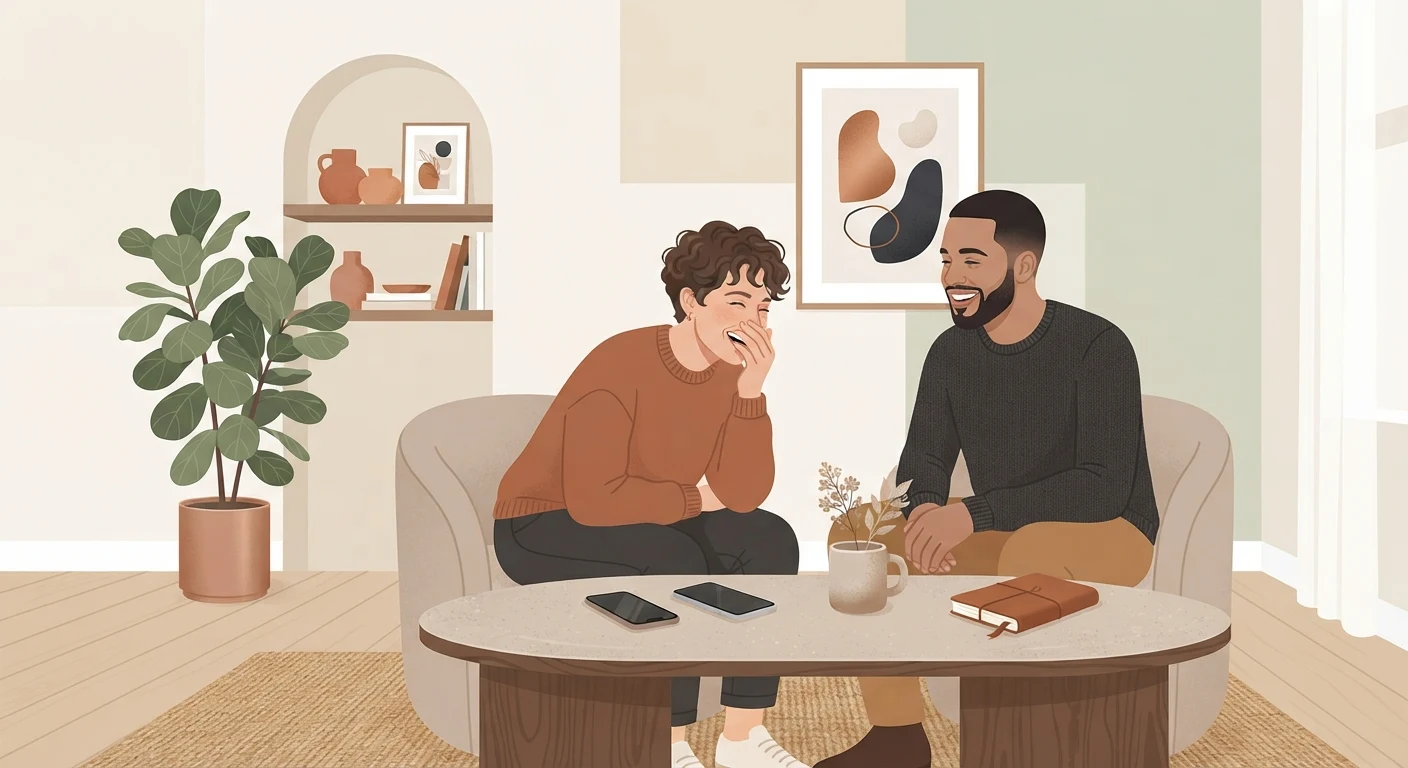
Maybe the real fix isn't a better app. Maybe it's smaller things, showing up more, texting back without overthinking it, sitting with someone in silence without needing to fill it. Technology didn't create loneliness. It just made the gap easier to notice, and easier to sell a solution for.
Gen Z paying for friendship isn't a punchline. It's a signal. And it's worth listening to.
Is it weird that I'd rather talk to an AI companion than my actual friends sometimes?
It is completely understandable because digital companions offer a zero-pressure zone where you never have to worry about being judged or left on read. Real friendships require emotional energy and performative upkeep, which can feel exhausting when you are already burned out. Just make sure you are using these apps as a temporary escape rather than a permanent replacement for human connection.
How did we get to a point where making real-life friends feels so terrifying?
Blame the lost years of the pandemic combined with the performative nature of modern social media, which starved many of us of crucial face-to-face practice. We missed out on learning how to navigate awkward silences and read physical rooms in person. Now, the stakes of real-life rejection feel incredibly high compared to a safe, predictable screen.
Can using these friendship apps actually help me get better at talking to real people?
Yes, they can act as a great stepping stone to practice opening up and expressing yourself without any fear of rejection. The key is to use them as a practice run rather than your final destination. Real growth comes from navigating the messy, unpredictable disagreements that only happen with actual human friends.