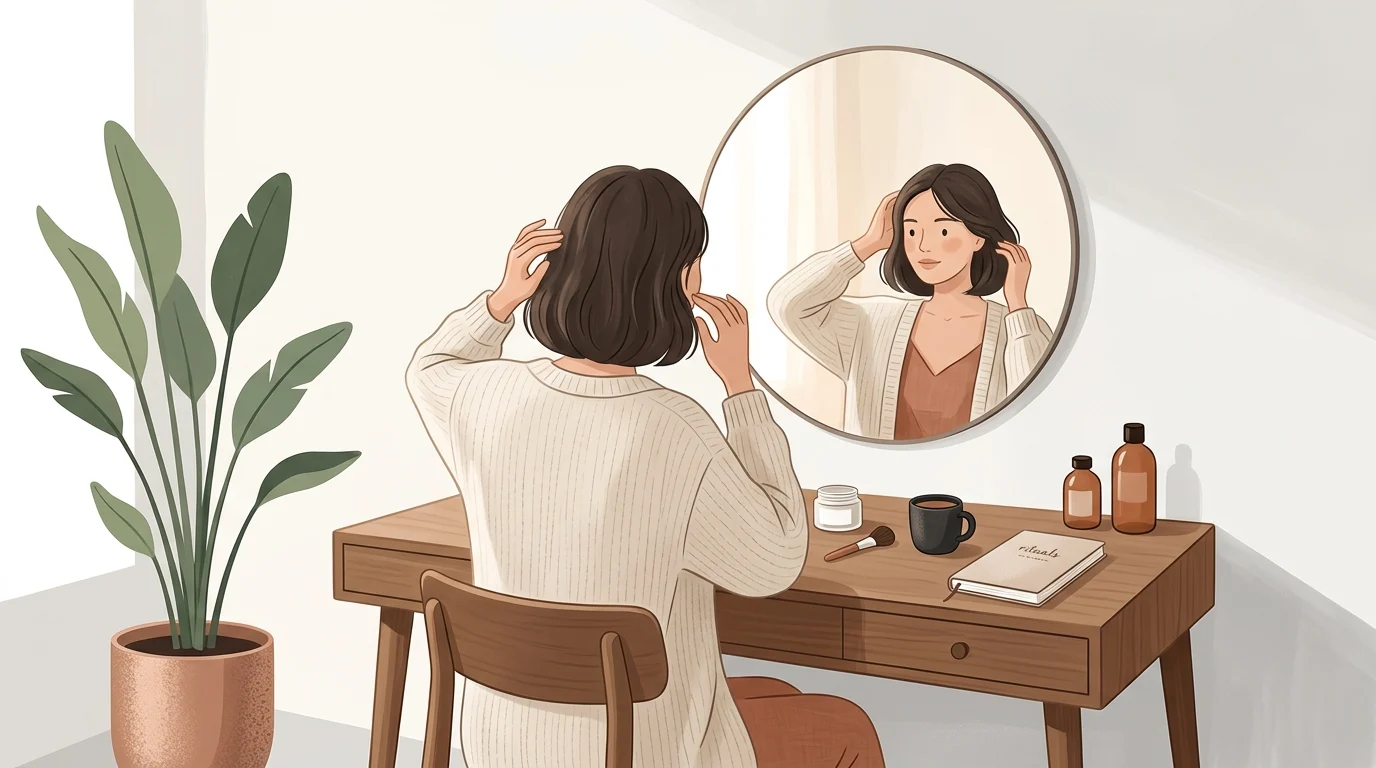

I never wear my watch on my right hand. It has always belonged on my left. Even though I check the time on my phone more than I ever look at my watch, leaving the house without it does not make me feel late. It makes me feel like I forgot a part of myself.
I cannot tell you when this became a rule.
I do not remember deciding it. There was no moment when I thought, "From today onwards, this is how I will do things." Somehow, it just happened. The habit became so ordinary that I stopped noticing it until one day I left home without my watch and spent the entire day feeling... off.
That made me wonder how many little rules we all follow without ever questioning them. Rules that are not really rules at all. They exist quietly in the background, shaping how we get ready, how we leave the house, and sometimes even how we see ourselves.
The Watch That Has Nothing to Do With Time
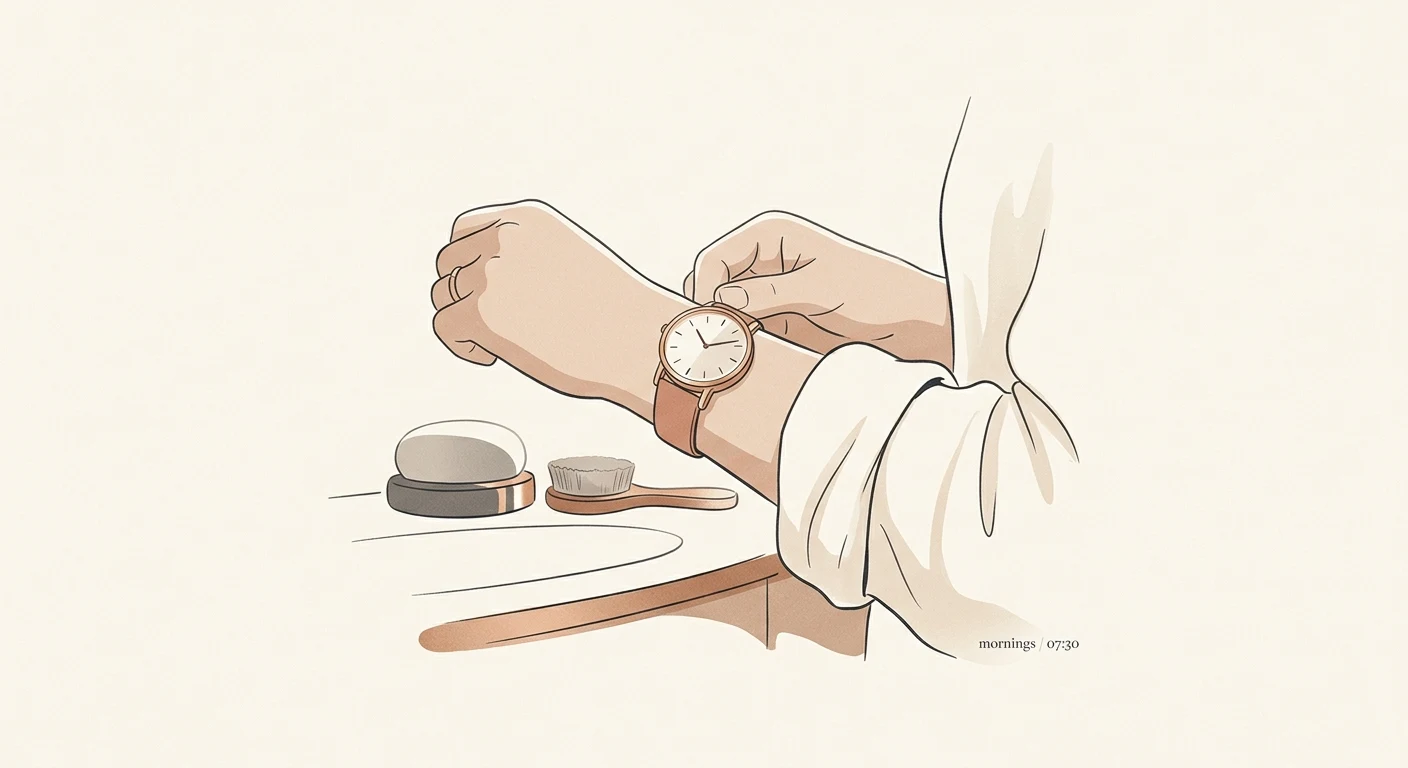
My watch has very little to do with time.
That sounds strange, especially because that is exactly what a watch is for. But if I am being honest, my phone is far more useful. It is always in my hand, always more accurate, and impossible to forget for long.
So why does the watch matter?
I have asked myself that question more than once. I have even tried talking myself out of it.
"You already have your phone. You do not need this."
Logically, that should have been enough.
It never was.
The watch became the final step before leaving home. Almost like locking the door or picking up my keys. Without it, I do not feel careless. I feel unfinished.
That feeling surprised me because it was never really about the object. It was about what the object represented. The moment I fasten the strap around my wrist, something shifts. The day officially begins. I am ready to step outside.
Sometimes the smallest rituals are not about what they do. They are about who they quietly help us become before we walk out the door.
Where These Rules Actually Come From
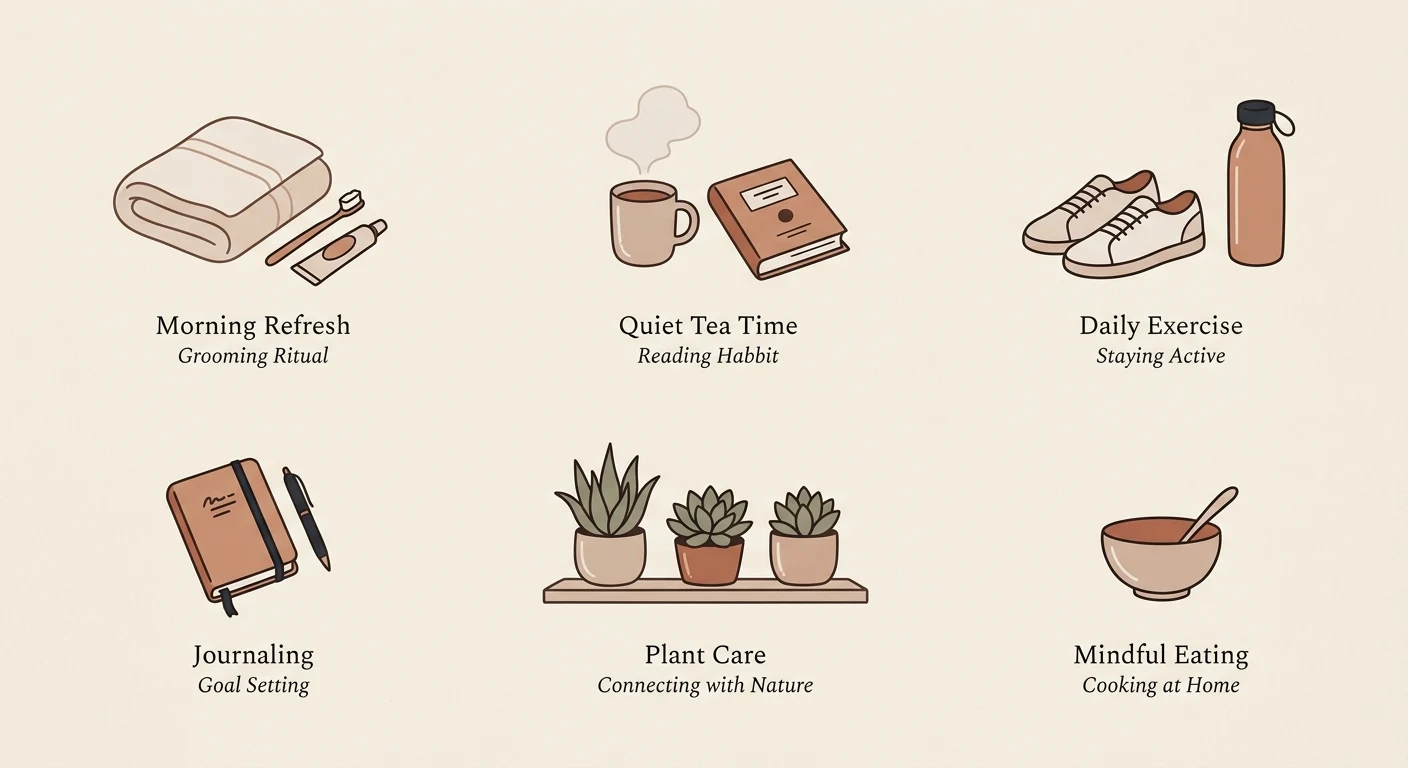
The interesting thing is that most of us never invent these habits on purpose.
Some arrive through repetition. Some come from watching the people around us. Others begin because something once made us feel prepared, comfortable, or safe, and our brain quietly decided to remember it.
Over time, those tiny actions stop feeling like choices.
They simply become the way we do things.
Maybe it is the side of the bed you sleep on. The order in which you get ready every morning. The mug you always reach for even though there are plenty of others in the cupboard. None of these things are particularly important on their own, yet changing them can feel surprisingly uncomfortable.
That is because we are rarely attached to the object itself. We are attached to the familiarity it gives us.
The Comfort of Doing the Same Small Thing Every Day
Life asks us to make hundreds of decisions every single day.
What to wear. What to eat. Which message to reply to first. Whether to leave now or five minutes later. Some days, even the smallest decision feels exhausting.
That is why these little rituals matter more than we realise.
They remove one decision from the day.
Not because we are incapable of making it differently, but because there is comfort in knowing that at least one small part of life already feels settled.
We often think routines make life boring.
Sometimes they do the opposite.
They give us something familiar to return to while everything else keeps changing.
Maybe these habits are less about routine and more about giving ourselves one small place that still feels certain.
Why Breaking It Feels Bigger Than It Should
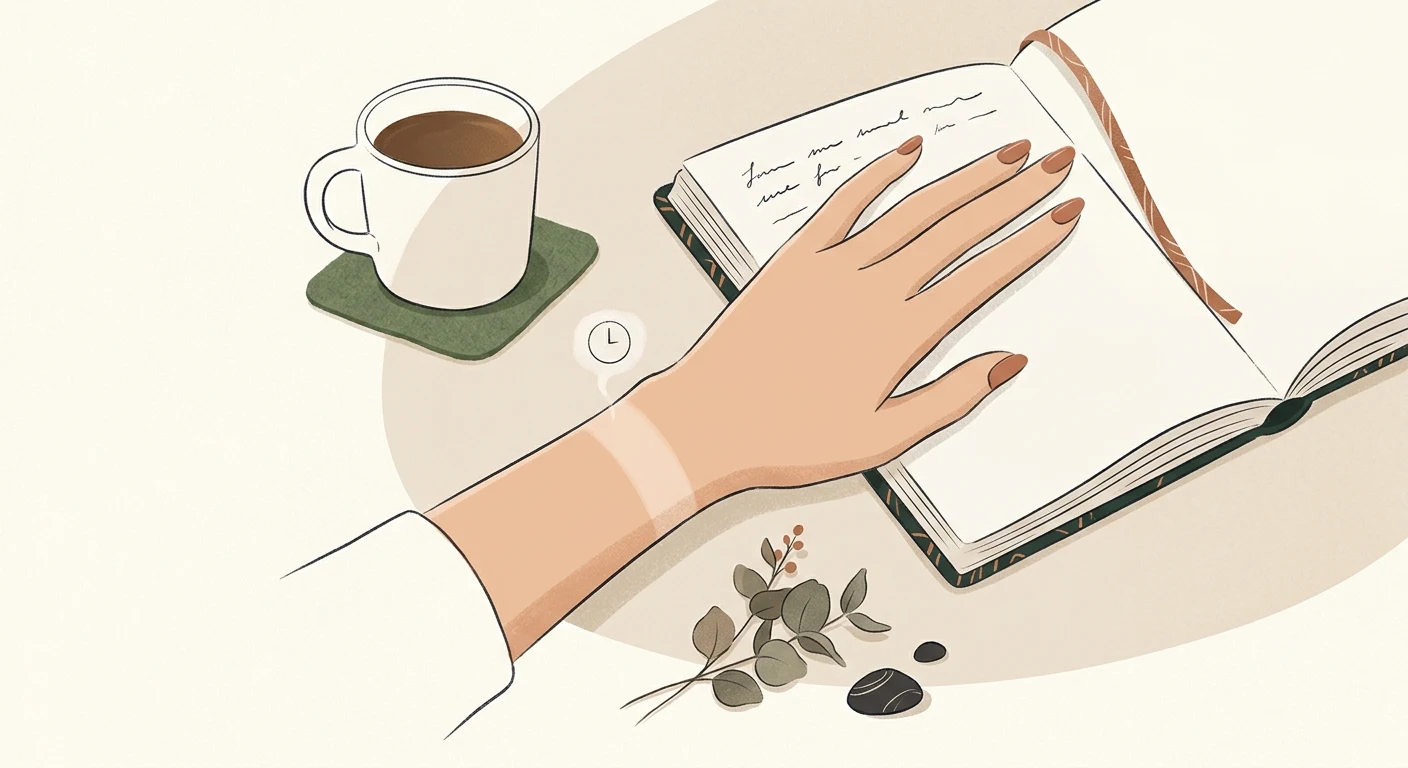
The funny part is that nothing actually happens when I forget my watch.
I still reach wherever I need to go. Meetings do not get cancelled. Time does not suddenly become impossible to read.
Everything works exactly as it should.
Except me.
For a few hours, I keep noticing my empty wrist. Every time I do, it feels like I skipped over a step in a routine that only existed inside my own head.
No one else notices.
No one else cares.
Yet somehow, I do.
I think that is what makes these quiet rules so fascinating. Their power is completely personal. They change nothing about how the world sees us, but they can change how we move through the world ourselves.
The Ones Worth Keeping, and the Ones Worth Questioning
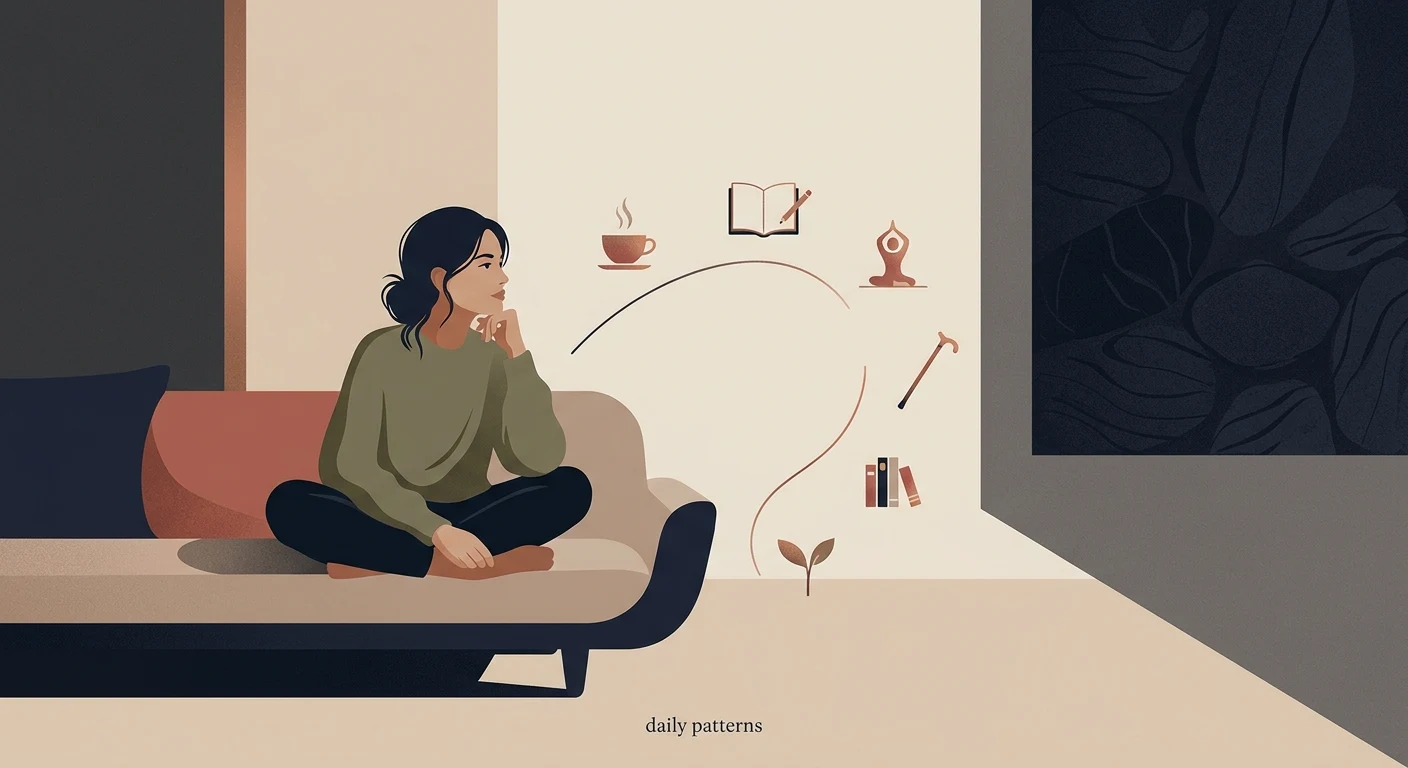
Not every habit deserves to stay forever.
Some help us feel grounded. Some become comforting reminders of who we are. Others quietly grow into fears disguised as routines.
The difference is worth noticing.
A question I have started asking myself is surprisingly simple.
If I break this rule today, will I simply feel unfamiliar... or will I feel like I have failed?
The first usually comes from comfort.
The second often comes from fear.
One helps you recognize yourself.
The other slowly convinces you that there is only one right way to exist.
Learning the difference might be more important than following the rule itself.
Closing Thought
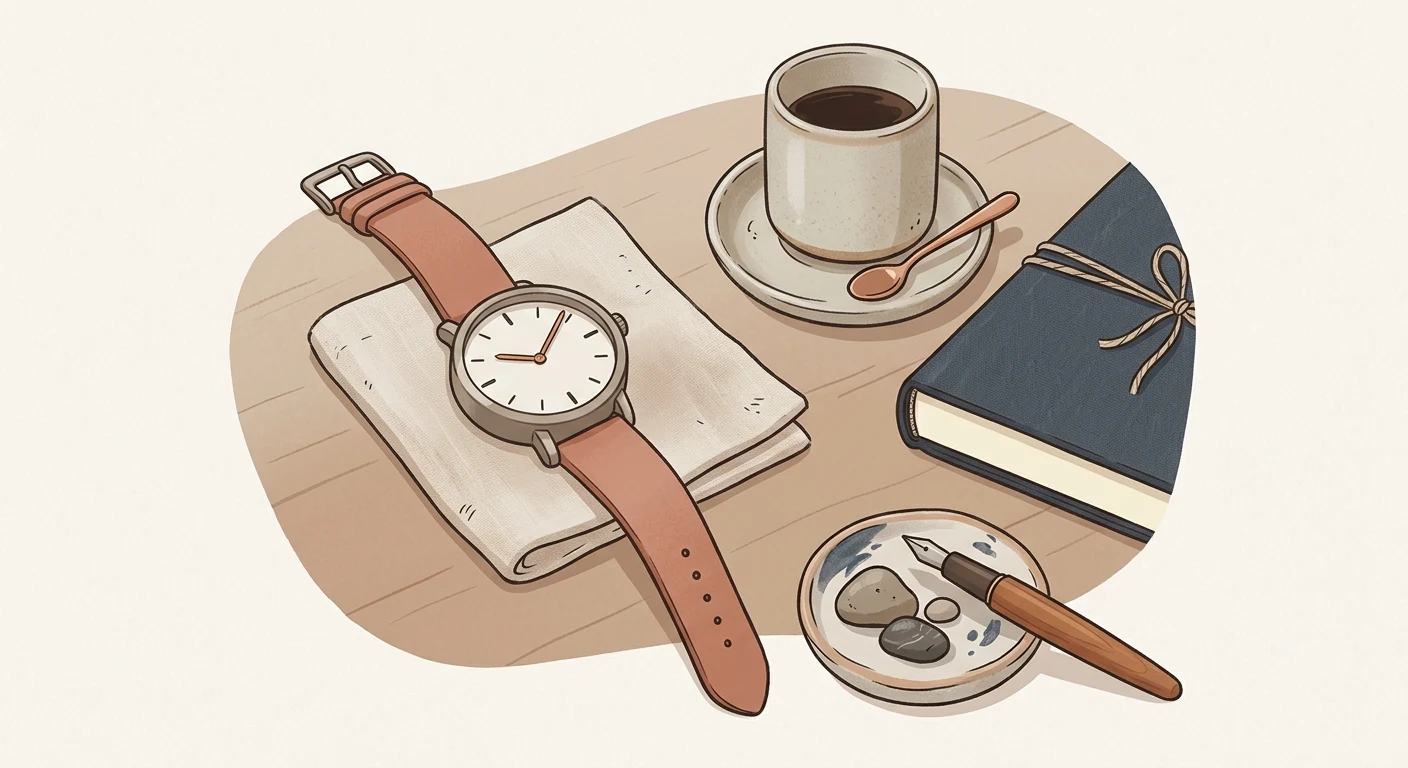
Maybe all of us have one small rule like this.
Not because life demands it, but because somewhere along the way it became part of how we recognize ourselves.
The goal is not to keep every habit forever, and it is not to throw them all away in the name of change.
It is simply to notice them.
Because sometimes the smallest things we do without thinking end up telling us the most about who we are.
Why do I get so anxious when my morning routine gets thrown off?
It is completely normal to feel unsettled because these little habits act as an emotional anchor in a chaotic world. They remove the mental fatigue of making constant decisions, giving you a quiet sense of control. When you skip a step, your brain simply misses the safety net of that familiar predictability.
How do I know if a daily habit is actually helping me or just holding me back?
Pay attention to how you feel when you intentionally skip the routine for a day. If skipping it just makes you feel slightly out of your element, it is likely a comforting ritual worth keeping. But if skipping it makes you feel like a failure, that habit is driven by fear and is worth questioning.
Why do I always reach for the exact same mug when I have a cupboard full of them?
You are searching for comfort and familiarity rather than just a clean container. That specific mug acts as a quiet signal to your brain that this moment is safe, settled, and entirely your own. It represents one less tiny decision you have to make before your demanding day begins.