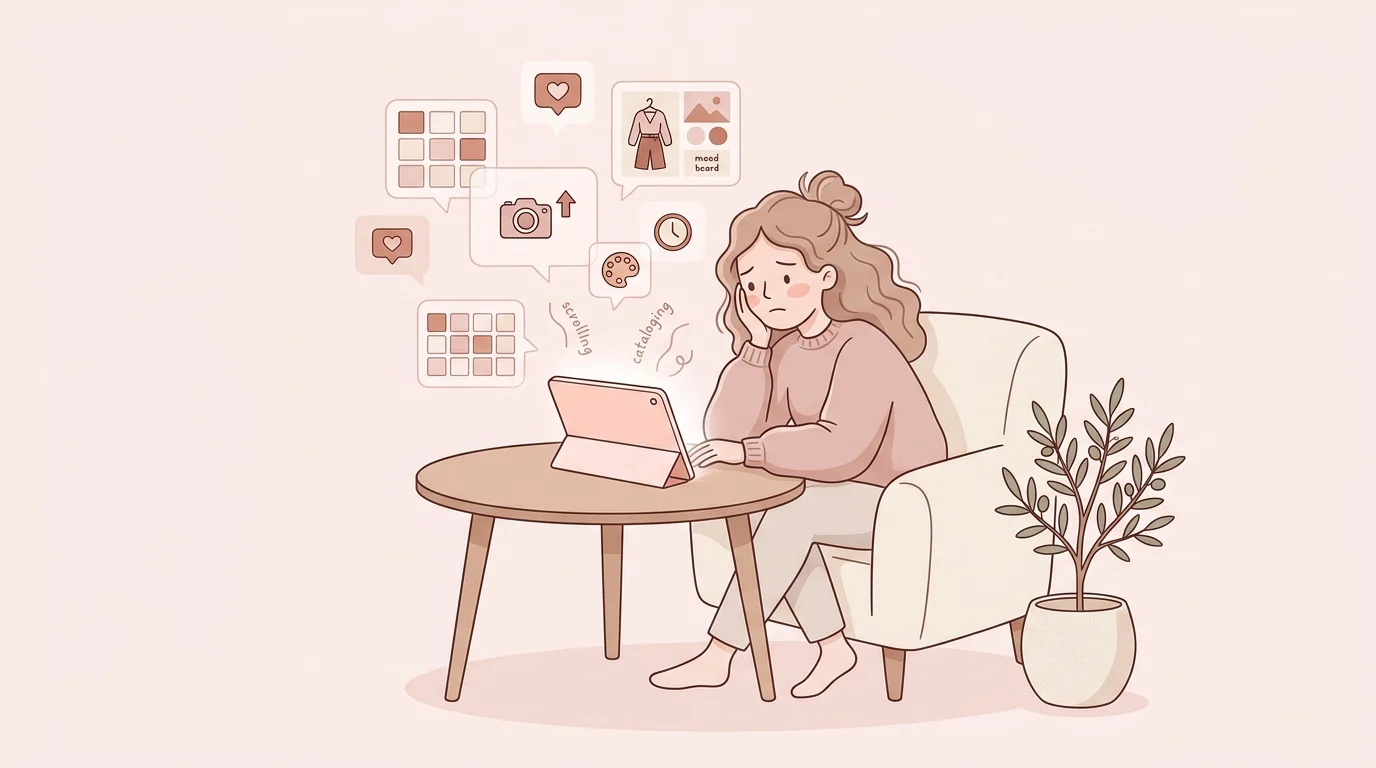

There is a specific kind of tired that comes not from doing too much, but from noticing too much. From scrolling through something beautiful and feeling your brain immediately start working. Cataloguing, comparing, filing it away. It looks like enjoyment from the outside. It does not always feel like it from the inside.
Having good taste used to just mean you had an eye for things. You knew what you liked, you gravitated toward certain colors or silhouettes or corners of the internet, and that was a quiet, private thing. It coloured how you dressed and what you saved and how you arranged things on a shelf.
Somewhere along the way it became something you had to maintain.
When Taste Becomes a Job
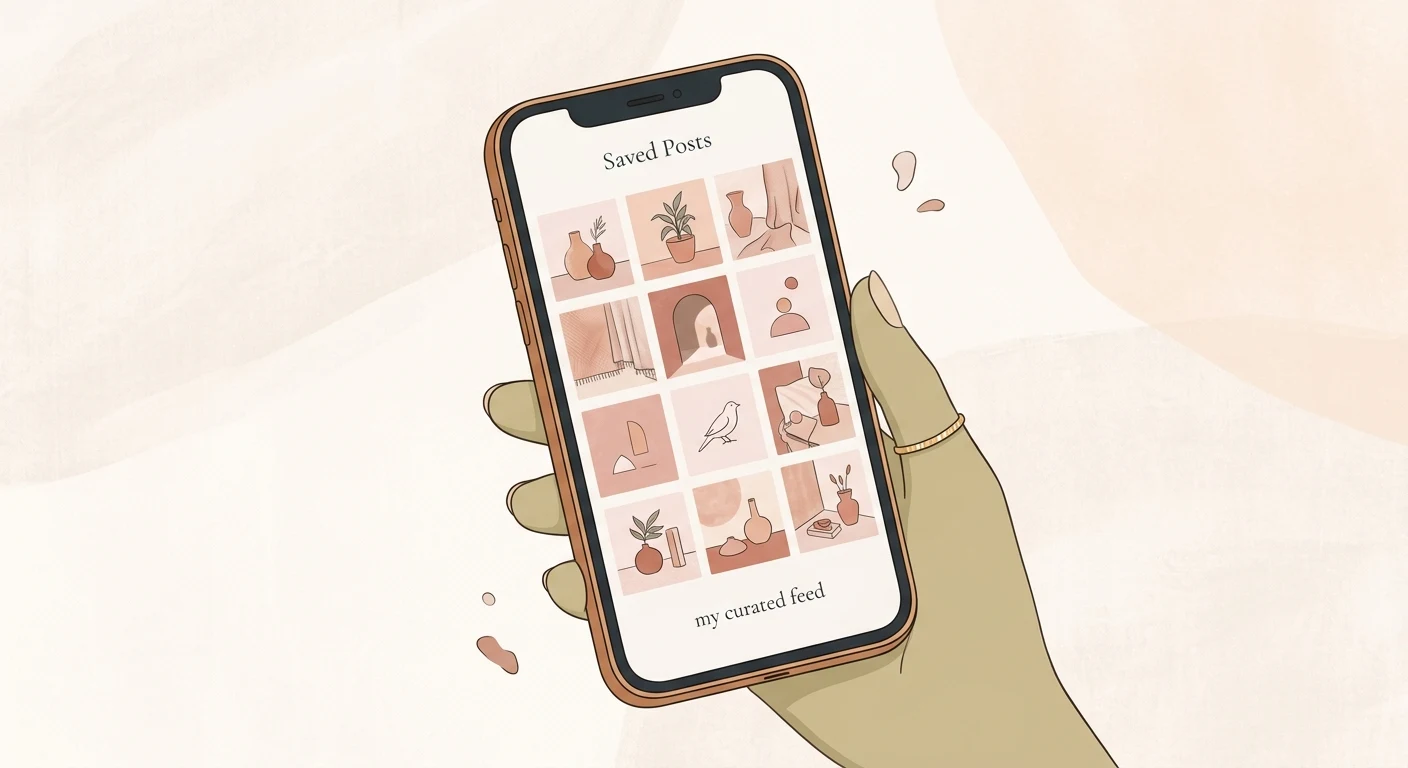
There is a shift that happens so gradually you almost do not notice it. One day you are genuinely excited to share something you found, a photo, an outfit, a corner of the internet that felt like yours. And then slowly, almost without deciding to, you start editing before you even post. Not the image, but yourself.
You ask: does this fit the version of me I have been putting out? Would my followers expect this? Is this too obvious, too niche, too much of a departure from the aesthetic I have been building?
Having taste online stops being passive somewhere around here. It starts requiring upkeep. Saving the right things, posting in the right light, making sure nothing you share contradicts the mood board of who you have decided you are. That is not self-expression anymore. That is brand management. And it is exhausting in the particular way that unpaid labour always is.
The worst part is that nobody asked you to do this. You volunteered for the job and then forgot you could quit.
The Feed Is Not Inspiration. It Is a To-Do List.
When you have a trained eye, scrolling is not restful. Every image asks something of you.
Do I like this?
Would I wear this?
Does this fit who I am right now or who I am trying to become
Should I save it?
Would sharing it make me look like I am trying too hard?
That last one is the one that stays. The fear of looking like you are trying too hard is one of the stranger paradoxes of having taste online, because putting together a curated presence is, by definition, trying hard. But the performance requires that the effort be invisible. So you are doing the work while pretending you are not doing the work, and your brain is holding both of those things at once.
The scroll is never just a scroll anymore. It is a judgment session. Sometimes it sparks something real. More often it just leaves you feeling vaguely behind, without knowing what you are supposed to be catching up to.
The Pressure of Being Consistent
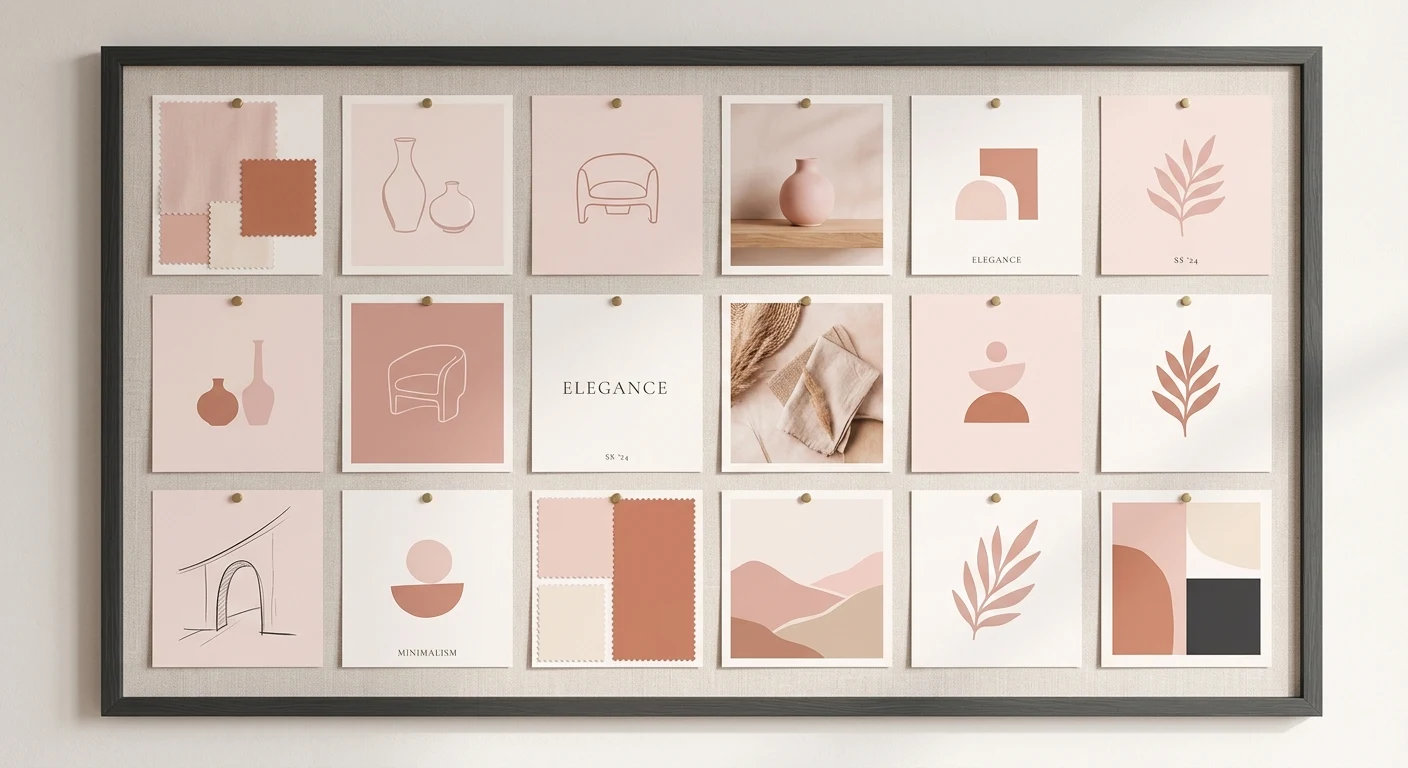
There is an unspoken rule that your taste cannot contradict itself. You cannot love the quiet, clean-girl aesthetic on Monday and find yourself genuinely drawn to something maximalist, loud, and layered on Friday. Not without someone noticing. Not without noticing yourself.
And it is not just about what other people think. The inner audience can be harsher. You start catching yourself mid-save thinking: wait, is this really me, or am I just in a different mood today? As if being in a different mood is a problem. As if liking a thing fully on Tuesday and not caring about it on Thursday means something is wrong with you.
The desire to be legible, to be coherent, to have a taste that holds its shape, slowly edges out the simpler freedom of just liking things because you like them. And you do not realize how much that costs until you find yourself hesitating before saving something you genuinely love.
Real taste is actually messy and contradictory and changes with your mood and your age and the weather and what you had for breakfast.
The version that fits neatly into a grid is not taste. It is a performance of taste.
There is a difference.
What Curation Does to Your Sense of Self
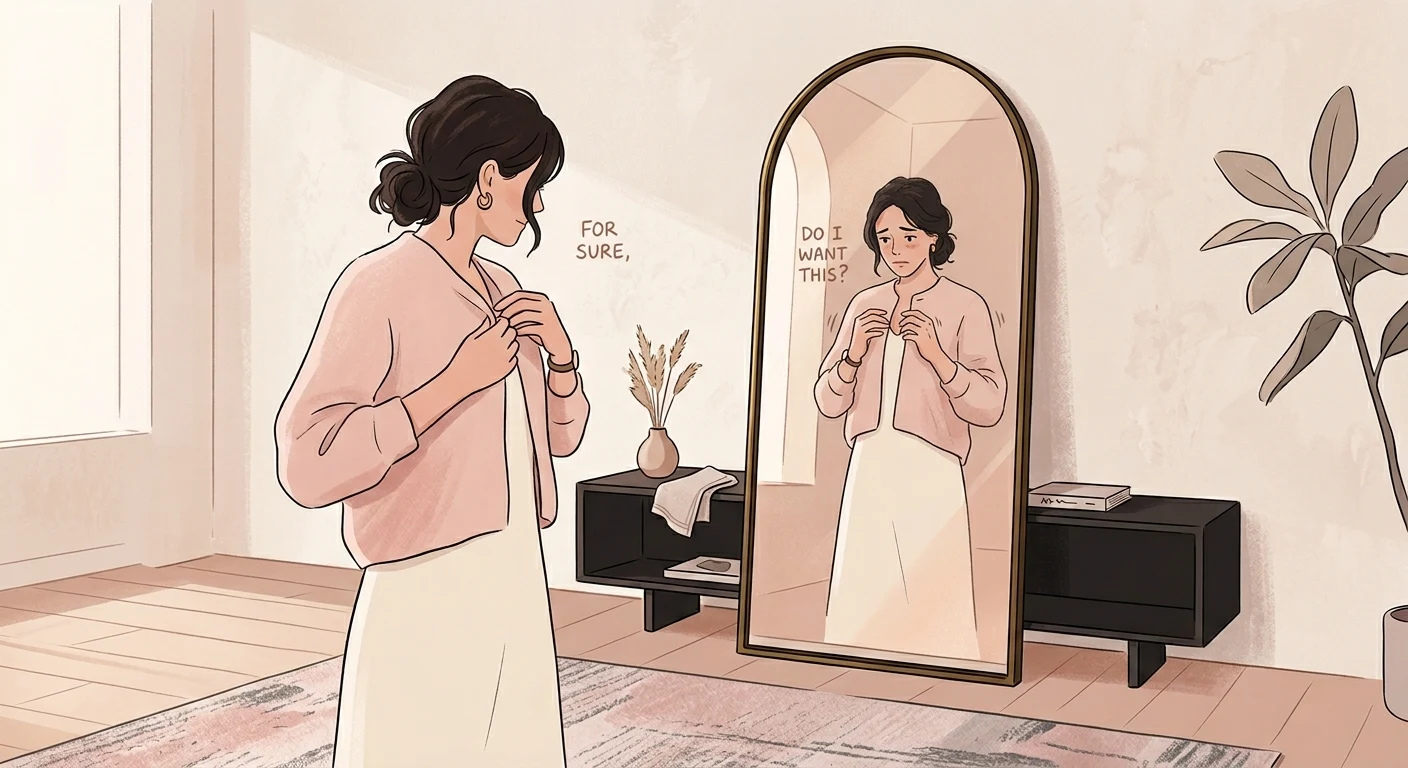
Here is the deeper cost, and it is the one nobody talks about.
When you spend enough time filtering yourself for an audience, even a small one, even a kind one, you start to lose track of the difference between what you actually like and what you like being seen to like. Those two things drift apart very quietly.
You might notice it first in the small moments. You buy something because it photographs well. You pass on something you love because it does not fit the aesthetic you have built. You feel a pull toward something and then immediately calculate whether sharing it would make sense, and if it would not, you let the pull go. After a while the un-calculated liking, the one that happens before the audience appears in your head, becomes harder to access.
It is not a crisis. It does not feel dramatic. It just feels like a low hum of am I doing this because I want to, or because it looks like me? And that question, repeated often enough, starts to be genuinely hard to answer.
The People Who Make It Look Effortless Are Working the Hardest
This one is worth naming clearly, without bitterness, just as a plain fact.
The appearance of effortlessness online is one of the most labour-intensive things to produce. The girl whose feed looks like she woke up in a film still has thought about every frame of it. The account that reads as offhand and unpolished has usually been very carefully curated to read that way. The person who seems to just live beautifully without trying is doing a very specific kind of trying that involves making the trying invisible.
This is not a criticism of them. Most of the time they are also exhausted by it. But it matters to name it because when you are on the consuming end, and your own presence feels clunky or inconsistent or like it requires effort, you are often comparing yourself to a performance of ease. That is an unfair comparison. You are measuring your real process against someone else's final edit.
Effortlessness is a style choice. It is not a personality type. And it takes a lot of effort.
What Putting It Down Actually Looks Like
Not a detox. Not deleting the app. Not a declaration that you are logging off to find yourself, posted for everyone to see. Something smaller than that.
It is more like a practice of noticing. Noticing the moment when you shift from consuming for yourself to consuming for an imagined audience. Noticing when you save something because it moved you versus because it would look good in your grid. Noticing when you put something down without documenting it and letting that be enough.
That last one is the practice. Letting an experience just be an experience. Wearing the outfit and not photographing it. Liking the image without saving it for later inspiration. Sitting in a beautiful moment without thinking about whether it would make a good caption.
Not because aesthetics are shallow.
Not because wanting to be seen is wrong.
But because there is a version of you that existed before the audience, that still knows what she likes without having to explain it, and she deserves some time too.
A Thought to Carry
Having taste is genuinely wonderful. It is the thing that makes you notice the light at a certain hour, or feel something shift when you find the exact right thing. It is not a burden. It is a gift.
But being owned by your taste, shaping yourself around the performance of it, measuring your worth against how coherently curated you appear, that is where it tips. That is the invisible labour nobody warned you about when you started caring about beautiful things.
The difference between having taste and being owned by it is permission. Permission to like things inconsistently. To share something a little off-brand. To experience something without feeding it back into the machine.
You built the aesthetic. You are allowed to live outside it sometimes.
How do I know if I actually like something or if I just like the idea of people seeing me like it?
Try keeping a private folder of images or buying things you never show online. If you still feel that spark of joy when nobody else can see it, you know it is yours. Experiencing things in secret is the easiest way to find your way back to your real taste.
How do I post online without worrying about ruining my feed's aesthetic?
Give yourself permission to post something messy, off-brand, or completely contradictory to your usual style. The world will not end if your feed has a few mismatched moments, and it actually makes you feel more human. Remember that you built the aesthetic, so you are allowed to step outside of it.
What does it actually look like to step back from this without doing a full digital detox?
Start with small, quiet practices like wearing a great outfit without taking a photo of it. Let yourself sit in a beautiful space or enjoy a meal without thinking about how you would caption it. It is about keeping some moments just for you instead of constantly feeding them back into the machine.