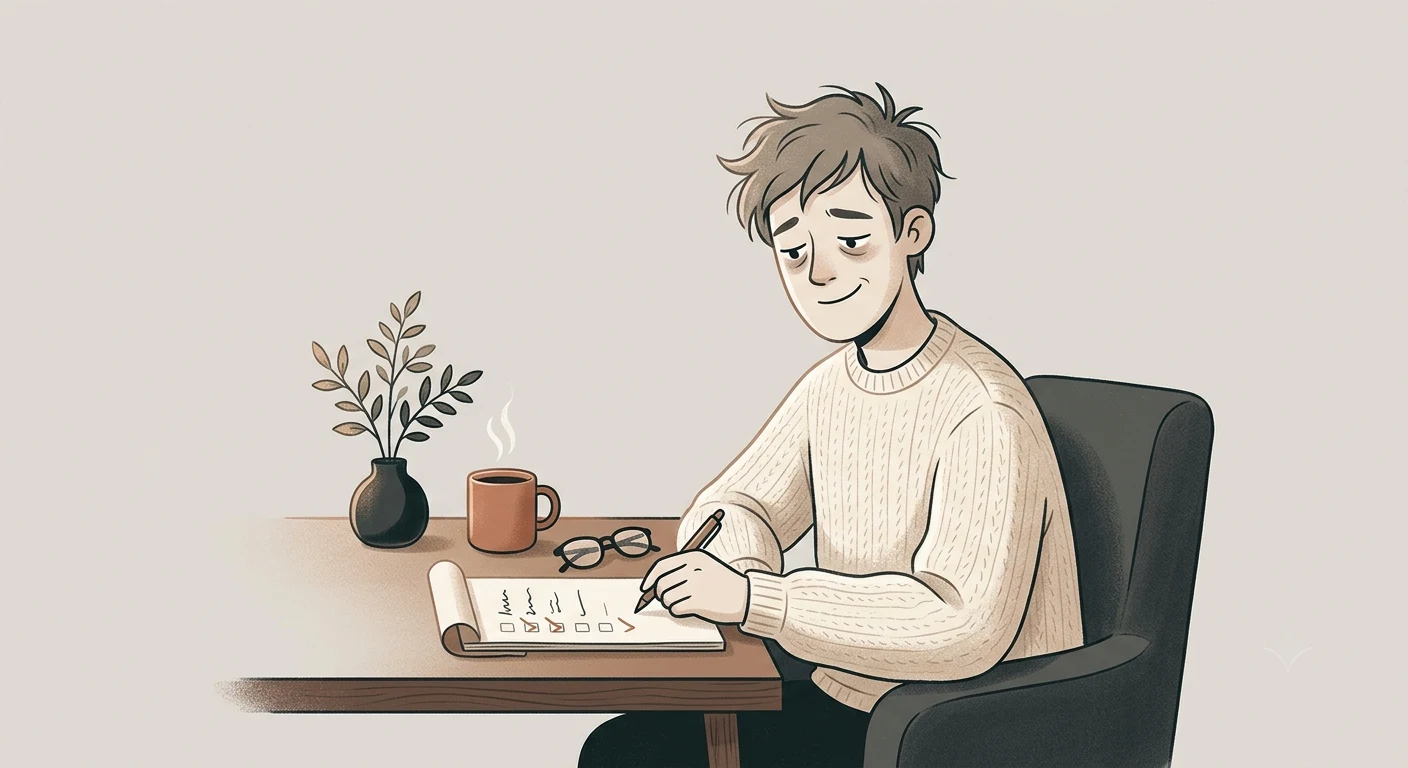

I used to have a Google Doc called "New Me 2024." It had a 5 AM wake-up plan, a 45-minute workout split, a meditation schedule, and a reading goal of 52 books. I opened that document exactly four times. Once to write it, and three times to feel bad about not following it.
Sound familiar?
Here's the thing nobody tells you about self-improvement: most of it is designed for a version of you that doesn't exist. The version with unlimited willpower, zero bad days, and a schedule that magically has two extra hours in it. The rest of us - tired, distracted, perpetually behind on laundry - need something that works with our laziness instead of against it.
That something is micro-habits. And honestly, they're the only "life-changing" advice I've ever stuck with for more than three weeks.
So What Exactly Is a Micro-Habit?
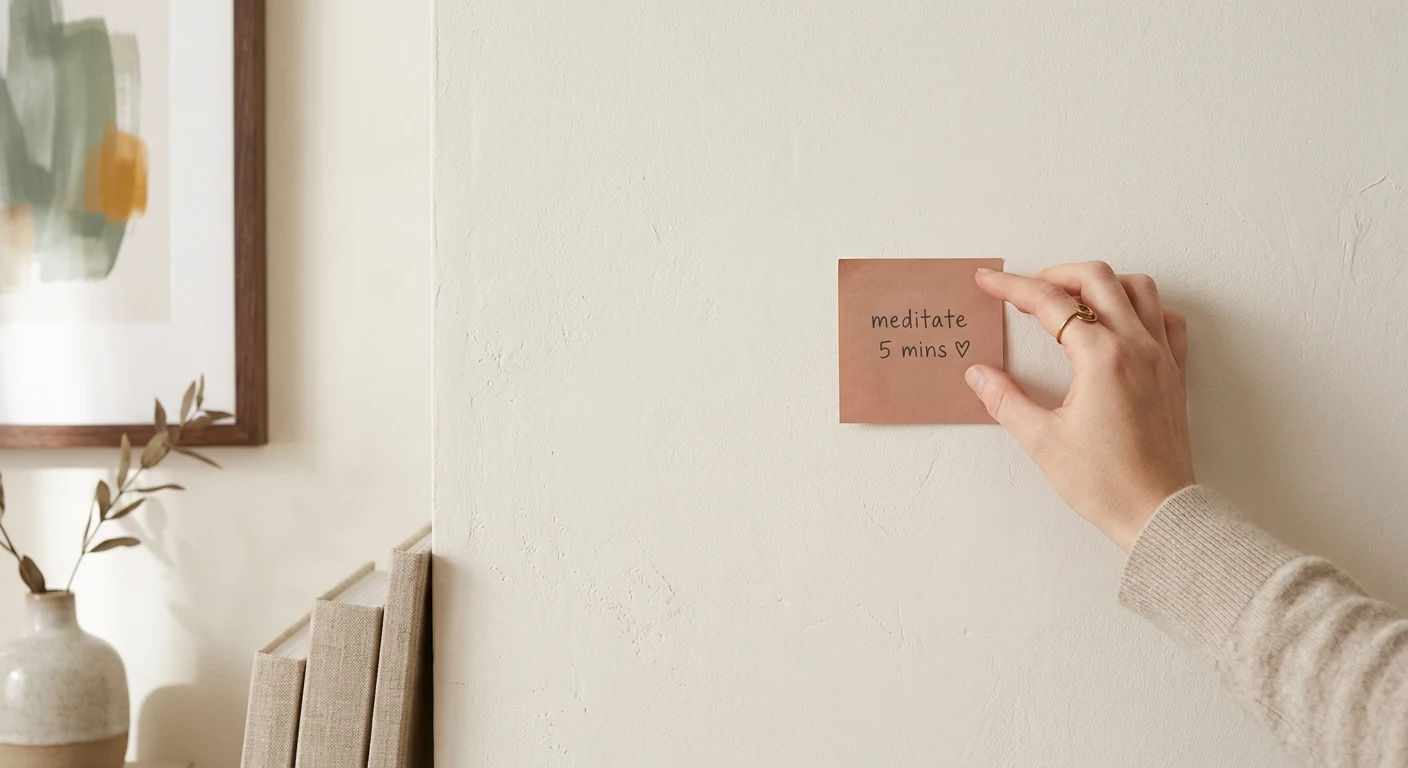
A micro-habit is a version of a good habit so small it feels almost stupid to skip. Not "read for 30 minutes every night." Instead, "read one page." Not "meditate for 20 minutes." Instead, "sit still and breathe for 60 seconds."
The idea isn't new - behavioral scientist BJ Fogg built an entire framework around it at Stanford, calling these "tiny habits." But it's having a real moment right now, and for good reason. We're collectively exhausted by hustle culture, burnt out on productivity hacks that demand more of us, and craving something that feels sustainable instead of punishing.
The logic is almost embarrassingly simple: a habit you can do even on your worst day is a habit that survives. A habit that requires your best day, every day, is a habit that dies the first time you're tired, sick, or just not feeling it.
Why Your Brain Loves Tiny Actions (And Hates Big Ones)
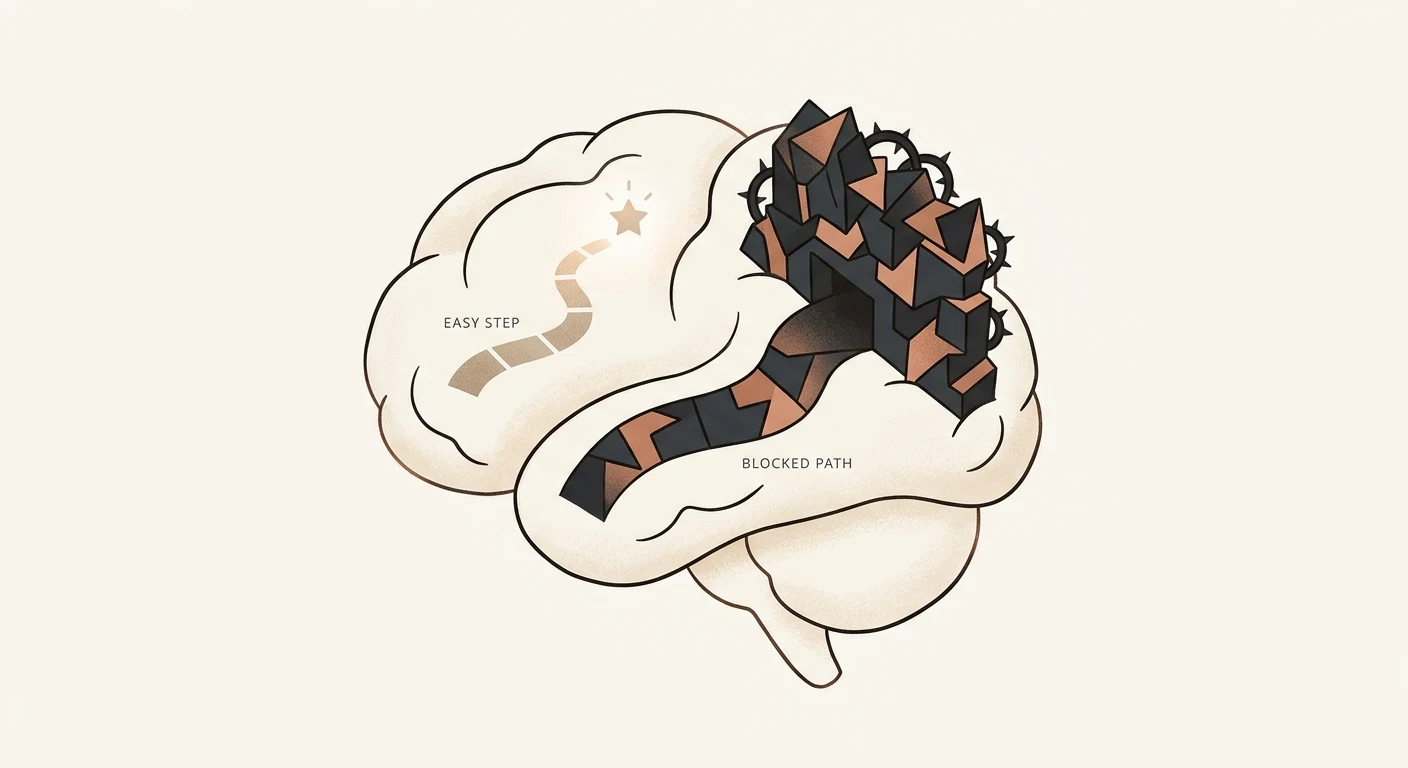
Here's what actually happens when you set a huge goal. Your brain, which is fundamentally lazy and wired to conserve energy, sees "workout for an hour" and immediately calculates the effort required. If that number feels too high, it finds a reason to postpone. Tomorrow. Monday. After this project wraps up.
But "put on your gym shoes" doesn't trigger that same resistance. It's too small to argue with. And here's the sneaky part - once your shoes are on, you're already 80% of the way to actually working out. Starting was always the hardest part. Micro-habits are basically a hack that gets you past your own resistance before it even shows up.
There's also something called the compound effect at play. One page of reading a night doesn't feel like much. But that's 365 pages a year - an entire book - without ever feeling like you did anything hard. Small deposits, made consistently, add up in ways that occasional heroic effort never does.
The Micro-Habits Actually Worth Building
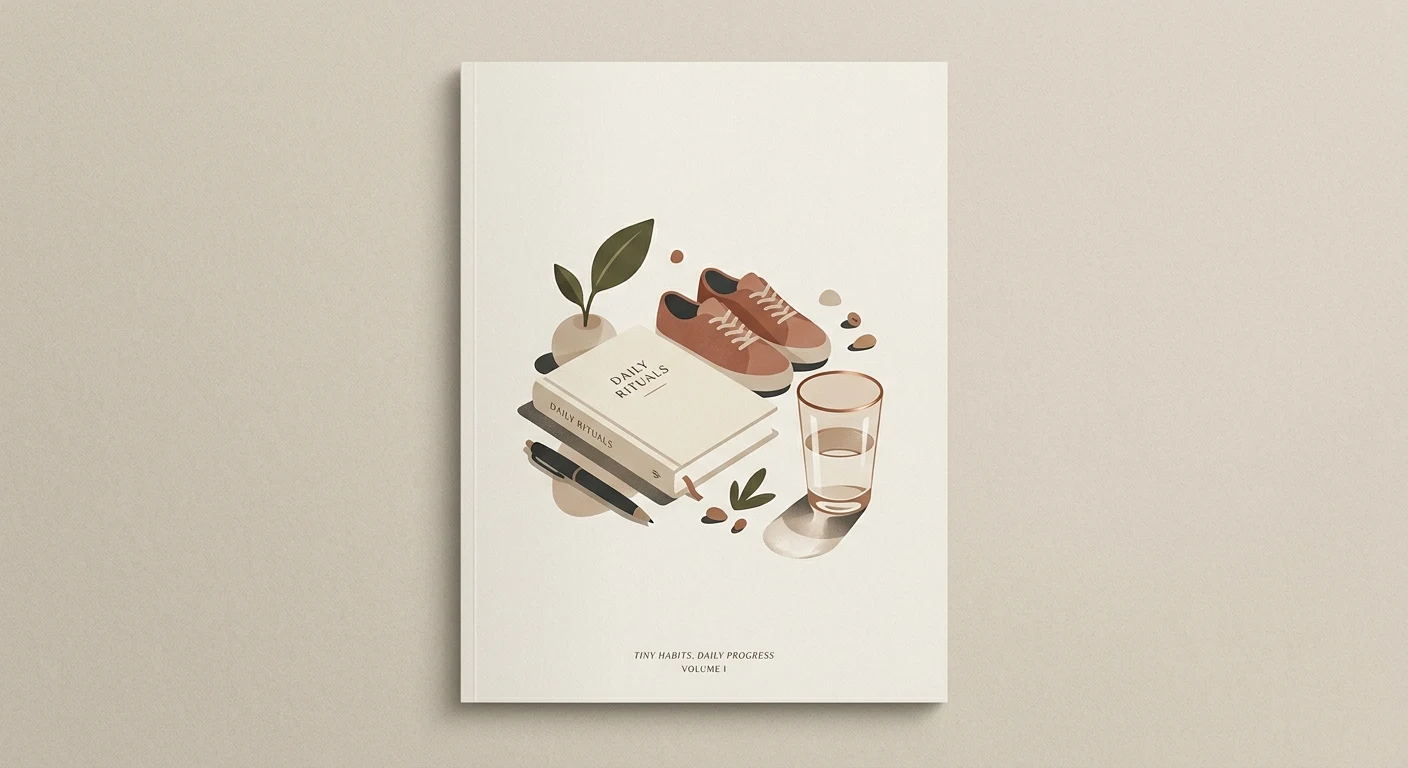
I'm not going to give you a list of 50 habits, because that defeats the entire point of this article. Pick one or two. Here are ones that have genuinely stuck for people I know (myself included):
For fitness: Do one push-up before you shower. Not a set. One. Most days you'll do more once you're down there anyway.
For mental health: Write down one sentence about your day before bed. Not a journal entry - one sentence.
For reading: Keep a book on your pillow. You have to move it to sleep, which means you touch it, which means you'll probably read a paragraph.
For money: Check your bank balance once a day, even just for five seconds. Awareness alone changes behavior.
For tidiness: Put away one item before you leave any room. Just one.
For hydration: Drink a glass of water right after you brush your teeth in the morning. It's already a habit slot - you're just adding to it.
Notice a pattern? Each one takes under two minutes. Each one is nearly impossible to fail at. That's the whole design.
The Trick That Makes Them Actually Stick: Habit Stacking
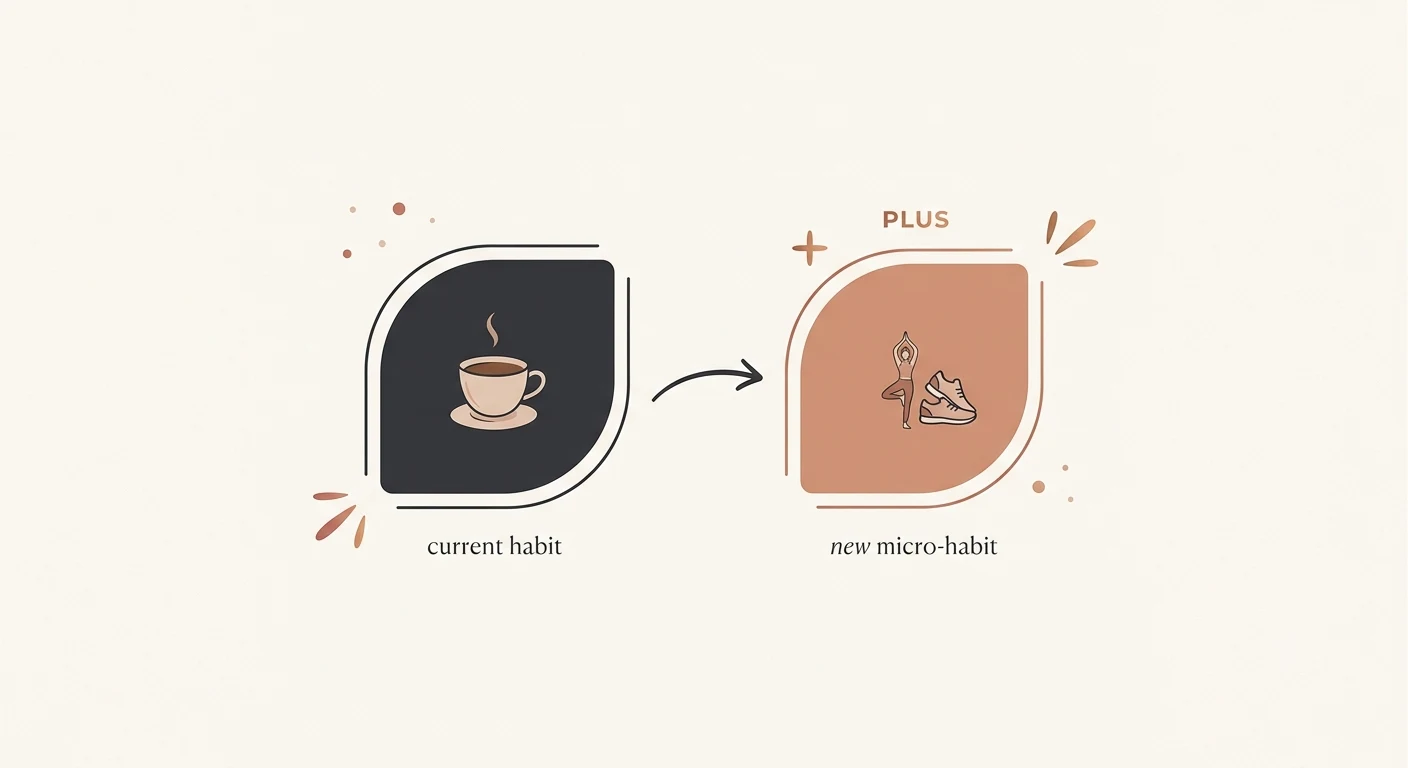
The single most useful thing I've learned about building any habit, tiny or otherwise, is to attach it to something you already do without thinking. This is called habit stacking, and it works because you're not trying to remember a new habit out of thin air - you're piggybacking on a routine your brain has already automated.
The formula is simple: after [current habit], I will [new micro-habit].
After I pour my morning coffee, I will write down one thing I'm looking forward to. After I sit down at my desk, I will take three deep breaths. After I plug in my phone at night, I will lay out tomorrow's clothes.
You're not adding effort. You're just adding a tiny extra second to something you were already doing.
Where People Mess This Up
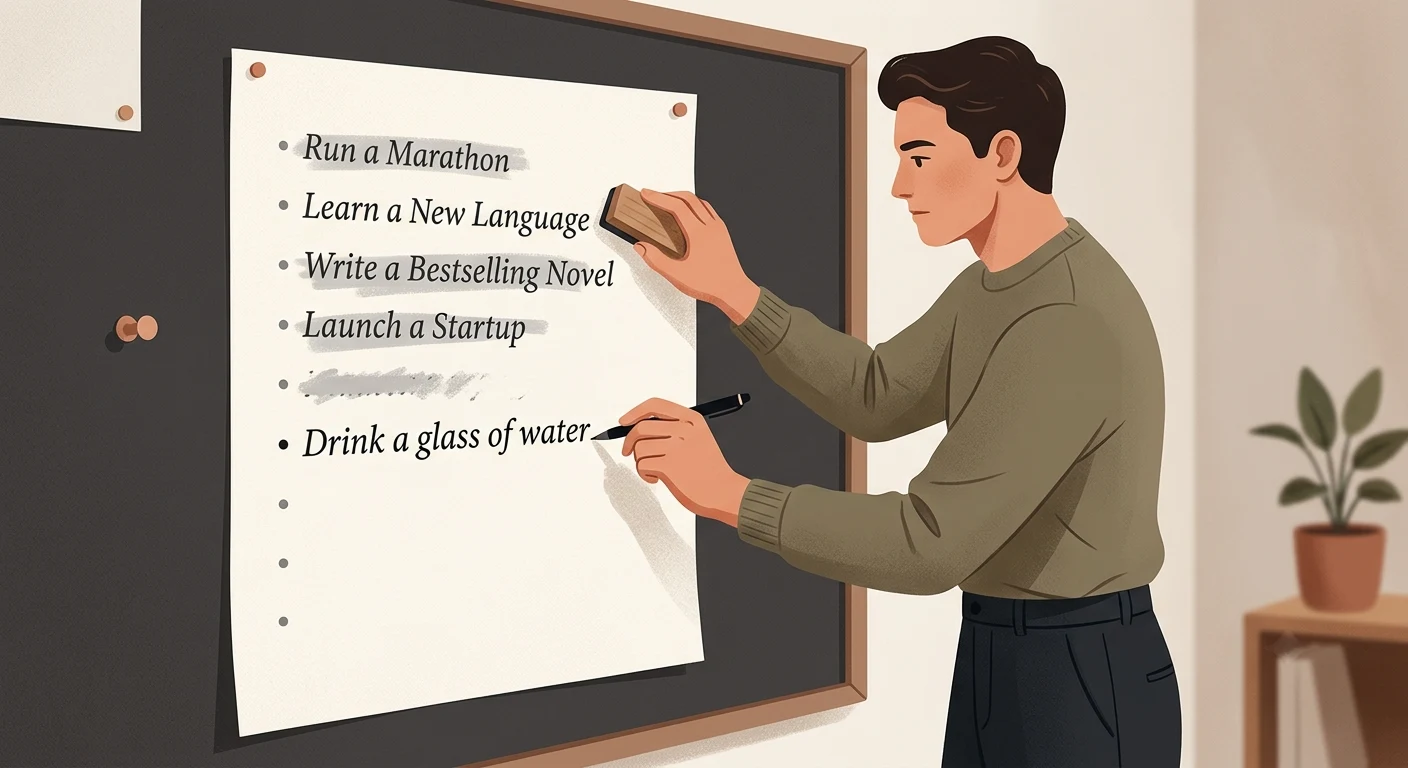
The most common mistake is what I'd call ambition creep. You start with "one page a day," it goes well for a week, and suddenly you decide you should really be reading a chapter. The habit balloons back into the same overwhelming thing you were trying to avoid, and a month later it's dead again.
Resist this. Let the habit stay small even when you're motivated. If you feel like doing more on a given day, great, do more - but don't move the goalpost. The goal is never "one page," the goal is "never miss a day." Those are very different things, and confusing them is how most people quietly abandon micro-habits within two months.
The second mistake is habit-stacking too many things at once. Pick one. Let it run for two or three weeks before you even think about adding another. Building five tiny habits simultaneously is just one big habit wearing a disguise, and it'll fail the same way big habits always do.
Why This Actually Matters More in 2026
We're living through a specific kind of exhaustion right now - notification fatigue, decision fatigue, a general sense that everyone's schedule is somehow both empty and completely full. Big, rigid self-improvement plans assume a level of bandwidth most people simply don't have anymore.
Micro-habits work precisely because they don't ask for bandwidth. They ask for a few seconds and zero decision-making. That's a much more honest match for how most of us are actually living, which is probably why the idea keeps resurfacing in wellness and productivity conversations. It's not a trend because it's flashy. It's a trend because it's one of the only approaches that doesn't collapse under real life.
Start Stupidly Small

If you take one thing from this, let it be this: whatever habit you're trying to build, make it smaller than feels reasonable. If your instinct says "10 minutes of stretching," start with one stretch. If it says "meal prep every Sunday," start with washing one vegetable before you put groceries away.
It will feel almost too easy. That's not a bug. That's the entire point. Big change was never really about big effort - it was about showing up consistently enough that the small thing became who you are, not just something you occasionally tried.
You don't need a new Google Doc titled "New Me." You just need one page, one push-up, one glass of water, tomorrow, and the day after that.
What if I actually feel like doing more on a good day? Can I?
Go ahead and do more if you are feeling motivated, but never change your baseline goal. Keep your official daily target at that stupidly small level so you still get an easy win on your worst days. Consistency is what we are building here, not sudden bursts of exhaustion.
How do I choose the right daily routine to stack my new habit onto?
Look for something you already do completely on autopilot, like brushing your teeth, pouring coffee, or plugging in your phone. Pair your new tiny action directly to that established trigger so your brain does not have to expend any energy remembering to do it. It works because you are piggybacking on a routine that is already hardwired.
Can I start a few micro-habits at once since they only take a minute?
Resist the urge to stack multiple habits at once because it is just a big, overwhelming habit wearing a clever disguise. Stick to exactly one tiny habit for two or three weeks until it feels totally effortless before you even think about adding another. Focus on doing one small thing consistently instead of burning out on five.