

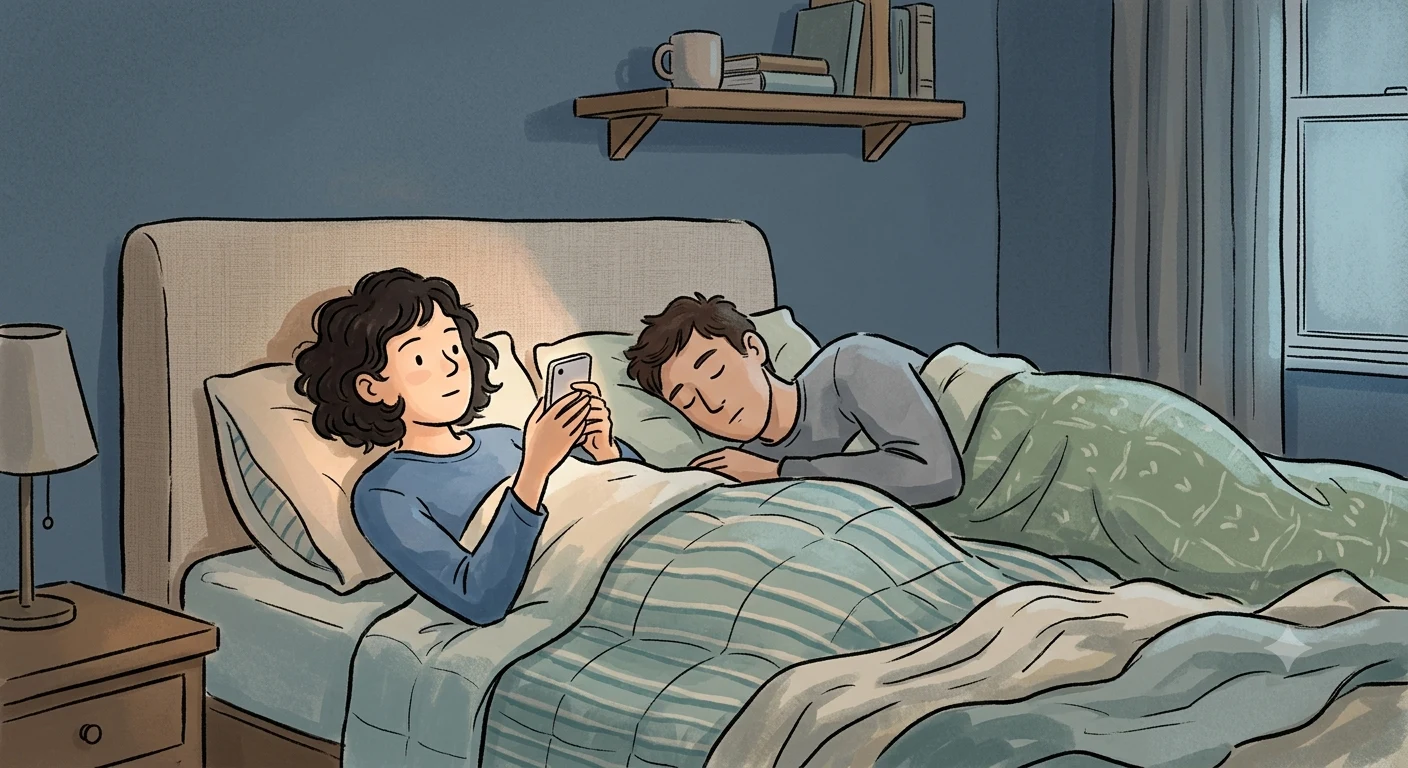
You're lying in bed at 1 a.m., phone in hand, re-reading a text for the 4th time. Not because it said anything wrong. But because you're checking. Again.
That feeling - the tight chest, the need to verify - is what a lot of young couples mistake for love. It isn't. It's trust running on empty, and nobody taught either of you what to do about that.
Most advice on this topic treats trust like a light switch. Either it's on, or it's off, and you just need the right 5-step plan to flip it back. That's not how it works. Trust is closer to a muscle that's been injured. It can heal, but it heals unevenly, it re-aggravates without warning, and pretending otherwise just delays the real work.
This guide walks through 3 different situations, because "how do I build trust" and "how do I rebuild it after cheating" are not the same question wearing different clothes:
- Building trust from scratch, before anything has gone wrong
- Repairing trust after a mistake with no bad intention behind it
- Rebuilding trust after cheating, whether it happened in this relationship or a past one
Trust isn't a single grand gesture. It's hundreds of small, boring, consistent choices that add up, and one large enough betrayal can undo years of them overnight.
How to Build Trust in a Relationship From the Start
So, how do you actually build trust in a relationship? Not with one big romantic act. With small consistent actions that stack up so slowly neither of you notices it happening, until one day you realize you don't brace yourself when their name pops up on your phone anymore.
That sounds unromantic. It's not. Predictability, in a relationship, is actually one of the most romantic things you can offer someone. It means they can relax around you.
1. Open Communication Is Not the Same as Talking a Lot
Plenty of couples talk constantly and still don't communicate. They narrate their day, they vent, they make jokes. But the second something uncomfortable needs saying, the conversation quietly redirects itself.
Real communication means you say the thing that might make the other person a little upset, on purpose, because leaving it unsaid would cost more later. That's the actual skill. Not talking more. Talking through discomfort instead of around it.
A concrete version of this: if a friend's comment about your partner bothered you, and you find yourself explaining it away in your own head instead of bringing it up, that's the moment. Not the conversation itself. The moment right before it, where you decide whether to swallow it.
2. Boundaries Around Social Media and Friends Need to Be Specific, Not Vague
"I trust you" is not a boundary. It's a hope. Vague trust statements fall apart the first time something ambiguous happens, because neither of you actually agreed on what counts as a problem.
Specific boundaries sound less trusting on the surface but function completely differently. Something like: you're both fine with keeping exes as followers, but liking old photos of them feels off. Or: DMs from an ex get mentioned, not hidden, even if nothing is wrong with them.
3. Emotional Safety Is Built in the Reaction, Not the Rule
You can have every boundary perfectly defined and still have no emotional safety, if your reaction to bad news is explosive. Emotional safety is tested exactly once, usually by accident, when your partner admits something small and slightly embarrassing.

How you respond in that exact moment teaches them whether honesty is safe with you going forward. Overreact once to something minor, and you've just taught them to filter what they tell you. That's not dramatic. That's just how people protect themselves.
How to Rebuild Trust in a Relationship After an Honest Mistake
Not every trust break comes from malice. Some come from fear dressed up as an omission. And these are actually harder to talk about than cheating, because there's no clean villain in the story, just two people who handled something badly in different ways.
Here's a version of this that plays out constantly with young couples: someone keeps a friendly ex on Snapchat, and just never mentions it. Not because anything's happening. Because bringing it up felt like inviting a fight that didn't need to exist.
Then the partner finds the account on their own. And the fight that happens next isn't really about the ex at all. It's about the fact that something was kept quiet, and quiet things read as suspicious even when they're innocent.
The mistake was never really the mistake. The silence around it was.
What Actually Repairs This Kind of Break?
The repair here isn't really about the specific incident. It's about proving that your instinct to hide discomfort has changed, and that takes longer than one conversation.
- Skip the justification, lead with the impact. "I see why finding that out on your own felt like a betrayal" lands completely differently than "I didn't think it mattered."
- Let the hurt be valid even if your intentions were fine. Impact and intent are two separate facts. Both can be true at once.
- Overcorrect on transparency for a while, even about things that don't matter. Mentioning a boring DM from a coworker feels unnecessary until you remember that's exactly the muscle you're rebuilding.
| Situation | What Feels Natural (But Backfires) | What Actually Repairs Trust |
|---|---|---|
| Hiding something out of fear | Waiting for it to come up on its own | Bringing it up yourself, even clumsily |
| Getting caught in a lie | Explaining why the lie felt necessary | Naming the lie plainly, no cushioning |
| Broken promise | A long apology with excuses folded in | A short apology, then a changed pattern |
How to Rebuild Trust After Cheating
How to rebuild trust after cheating isn't a weekend project, and it's not flowers, a tearful apology, and both of you agreeing to move on. It's a long, often unglamorous process that only works if both people are genuinely willing to sit in the discomfort of it for as long as it takes, which is usually longer than either person wants.
I want to be direct here. "Once a cheater, always a cheater" is a stigma people repeat because it's simple, not because it's reliably true. People change. But change has to be demonstrated over time, not just declared once and referenced afterward as proof it happened.
Whether this happened within your current relationship, or you're carrying it in from a past one with a new partner who already knows, the underlying repair work is nearly identical. What changes is just how much explaining you owe someone for something they didn't witness firsthand.
1. Tell the Full Story Once, Not in Installments
This is the part that gets underestimated the most. Trickled-out honesty, where new details surface weeks or months later, doesn't read as honesty at all. It reads as someone finally getting caught in stages, which restarts the entire healing clock every single time it happens.
If you cheated, the instinct to soften the story on the first telling is almost universal. Leave out the part that makes you look worse, downplay how long it went on, round down the details. It feels protective in the moment. It is, in fact, the single most damaging thing you can do to the recovery process, because it guarantees a second betrayal down the line when the full picture eventually surfaces.
Tell it once. All of it. Even the parts that make the conversation almost unbearable to sit through.
2. Their Timeline Is the Only Timeline That Matters
This is where genuinely remorseful people still get it wrong, constantly. Carrying guilt is exhausting, and there's a real pull toward wanting forgiveness to arrive on some kind of schedule, if only so the guilt can stop.
But healing doesn't run on the guilty party's exhaustion. It runs on the betrayed partner's nervous system, and that resets on its own timeline, not a negotiated one.
What this looks like in practice:
- Answering the same question 5 different ways without visible irritation, because they're not actually asking the same thing each time, they're testing different angles of the same fear
- Not treating a bad day 3 months later as a step backward, because healing from this specific kind of wound is not linear, and a random Tuesday can trigger a spiral that has nothing to do with anything you did that day
- Resisting the urge to say "we've already been through this", even when you have, because for them it might not feel resolved just because it's been discussed once
3. There's a Line Between Real Remorse and Remorse That Becomes Its Own Burden
This one surprises people, because it sounds counterintuitive. At some point, excessive guilt stops functioning as accountability and starts functioning as its own demand for attention. Your partner ends up managing your shame on top of processing their own hurt, and that's an unfair weight to add to someone who's already carrying enough.
Real accountability looks like steady, unremarkable change over time. Not a permanent apology tour that never lets either of you move forward.
Can a Relationship Really Recover From This?
Sometimes. Not always. And that's an honest answer, not a hopeful one dressed up to sound reassuring.
Trust recovery is a two-way effort in the most literal sense. One person has to earn it back through consistent, transparent action sustained over real time, not through grand gestures that feel good to perform but don't actually change anything. And the other person has to eventually choose, entirely on their own terms and timeline, to let that trust back in, knowing there's no guarantee it won't happen again.
If only one person is doing that work, it collapses. If the guilty party is doing everything right but the other person already checked out emotionally months ago, it collapses too, just more quietly.
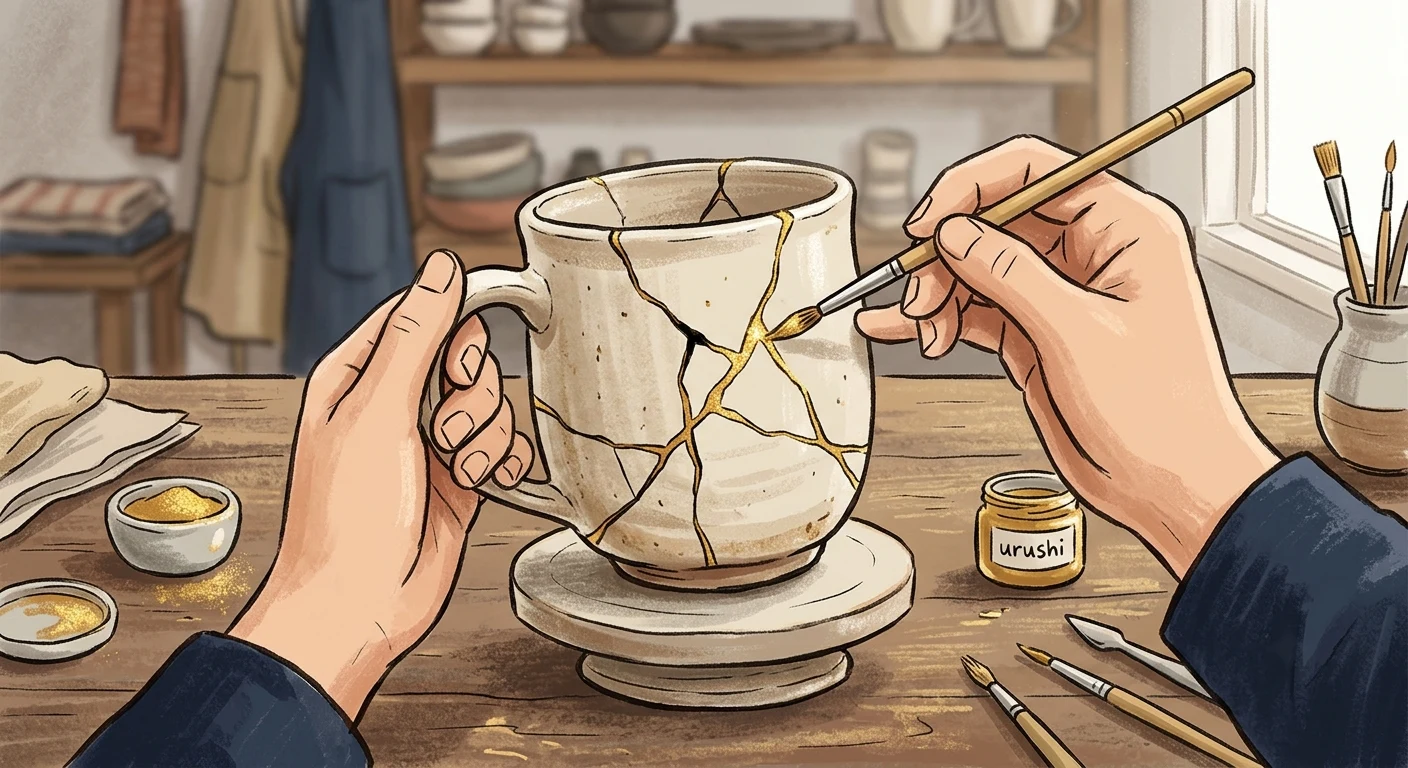
A relationship survives betrayal not because the past disappears, but because both people eventually decide the future is worth building anyway, despite the cracks.
What is trickled-out honesty and why is it so damaging after cheating?
Trickled-out honesty occurs when the person who cheated reveals details in small installments over weeks or months instead of sharing everything at once. This is highly damaging because each new detail acts as a fresh betrayal, which restarts the entire healing timeline for the betrayed partner. Rebuilding trust requires telling the full, honest story once, even the parts that are difficult to share.
How should I react if my partner keeps asking the same questions about a past mistake?
You should answer their questions patiently and without showing irritation, even if you have discussed it before. Healing from a breach of trust is not a linear process. When a partner repeats questions, they are often testing different angles of their fear or trying to process a trigger. Resisting the urge to say that you have already been through it helps maintain a safe environment for their recovery.
How can feeling too much guilt actually harm the process of rebuilding trust?
When the partner who made the mistake experiences excessive guilt and shame, they may end up requiring comfort and reassurance from the person they hurt. This turns their remorse into an emotional burden, forcing the betrayed partner to manage the guilty partner's shame on top of processing their own pain. Real accountability is about steady, consistent change rather than a permanent apology tour.
Why is a statement like "I trust you" not enough to protect a relationship?
Saying "I trust you" is a hope rather than a boundary. Vague statements of trust tend to fall apart when ambiguous situations happen because the couple has not agreed on what actually constitutes a problem. To build lasting trust, couples need specific agreements, such as defining clear rules around interactions with exes and social media use.