

You type something into Google. Half a second later, you have answers.
It feels effortless, almost magical. Behind that half-second, though, sits one of the most complex engineering systems ever built, running billions of operations before your finger leaves the enter key.
Most people never pause to consider what just happened behind the scenes. They grab their answer and move on with their day.
That top result did not appear by chance. It was not necessarily the objective best page on the entire web for your question. Instead, it won a specific, highly mechanical contest governed by rules that rarely get discussed. The pages relegated to page two were not fundamentally bad. They simply lost that competition in ways their creators failed to recognize.
Learning how this engine functions changes more than just your approach to search engine optimization. It changes how you publish work anywhere on the web.
The Machinery
Before building a strategy, you need a clear look at the actual mechanism. Seeing how each stage functions under the hood immediately separates sound digital publishing advice from empty industry myths.
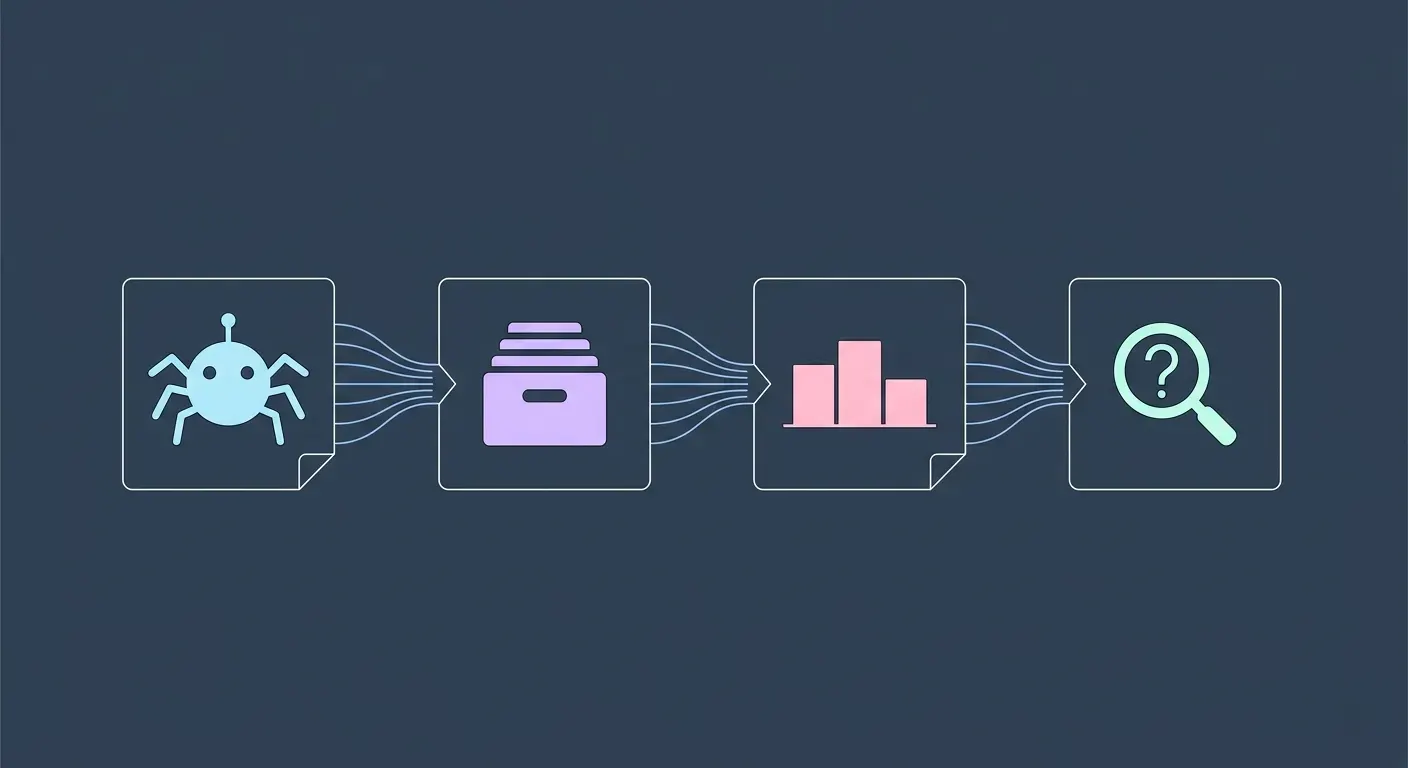
Every web page travels through four distinct stages before it can ever appear in front of a user. Here is how each stage works.
Web Crawling & Discovery

The internet contains roughly a billion active websites, and search engines are not given a master directory of them all. Instead, automated bots travel across the web to discover, read, and report on new pages.
The discovery process begins with a trusted set of known web addresses. From there, the crawler follows every outbound hyperlink it encounters. Those links lead to new pages, which contain further links, gradually mapping out an massive network of digital connections.
This network relies heavily on solid internal navigation. If a page on your website lacks inbound links from other sites or your own internal pages, automated bots can miss it entirely. The page might contain brilliant insight, but to the search engine, it remains invisible.
A page with no links pointing at it is like a room with no doors.
You can build something remarkable inside it. But, Nobody will ever see it.
Crawling requires significant server computing power, so search engines set specific limits on how often they visit your site. This allocation, often called a crawl budget, dictates how many pages a bot will inspect during a given visit based on site authority, updating frequency, and loading speeds.
This dynamic creates an implicit order of priority inside every website. Frequently updated, well-structured content gets fetched quickly, while buried pages on slow servers can sit unnoticed for days. Wasting bot attention on duplicate or auto-generated parameter pages means your primary content might never get crawled at all.
Site owners guide these automated visitors using two essential tools, known as the robots text file and sitemaps. The robots text file sets boundaries by marking off sections bots should ignore, while a sitemap acts as a clear directory pointing crawlers straight toward your most important pages.
Discovery sets everything in motion. Content that never gets crawled cannot be stored, and content that is not stored can never rank, regardless of its quality.
Indexing & Storage

Once a crawler fetches a page, the raw code moves to central servers for processing. This transformation from raw web code into searchable records is called indexing.
The engine begins by stripping away unnecessary markup to parse out body text, headings, page titles, link anchor text, and image details. This clean content gets organized into a specialized structure known as an inverted index.
An inverted index works much like the index at the back of a reference book. Rather than listing topics by page number, it maps specific words to every document where they appear, recording exact locations, frequency, and surrounding context.
When someone runs a search, the system does not scan the web in real time. It queries this pre-assembled inverted index to return matching documents in milliseconds, making instantaneous search across billions of pages possible.
Maintaining this massive collection requires extraordinary infrastructure. Storing petabytes of continuously updated information while keeping results instantly accessible remains one of the modern web's impressive engineering feats.
The Ranking Algorithm

Once search engines organize millions of pages containing your search terms, they face their primary challenge: determining which result deserves the top position.
This sorting process relies on sophisticated ranking formulas, starting with foundational systems like PageRank. The underlying logic treats every link to a page as a vote of confidence, weighting links from established, highly trusted sites far heavier than links from obscure sources.
Think of it like scholarly citation networks. A research paper cited by leading scientific journals holds far more credibility than one cited only in self-published blogs. The authority of the source backing the work carries all the weight.
Link connections establish credibility, but text algorithms like term frequency inverse document frequency evaluate precise relevance. This metric determines how central a specific word is to a page relative to how commonly that word appears across the rest of the web.
Common terms like "the" or "how" offer little insight, but specialized terms that appear frequently on a single page, yet rarely across the wider internet, signal exactly what that piece of content focuses on.
This is why writing with specific, precise language tends to outperform vague and generic language - not because of keyword tricks, but because specificity is literally how relevance gets signaled in the index.
Modern ranking systems combine these core mechanics with hundreds of additional metrics. Recency evaluation favors updated content for trending topics, evaluation guidelines look for genuine expertise and author trust, and performance benchmarks reward fast, stable page loads.
Advanced neural models also interpret true meaning beyond exact words. Searches for fixing a leaking tap and repairing a dripping faucet return identical results because algorithms recognize the underlying concept, even when the exact phrasing differs.
Ranking relies on no single secret formula. It combines diverse signals tailored to user needs, continuously adjusting to real-world interactions. The top page earns its spot by proving itself as the most credible, comprehensive answer available.
Query Processing

A crucial final step happens in the instant between a user entering a prompt and receiving results: interpreting what the user actually wants.
Search systems actively translate queries before running them against the index. They resolve ambiguous terms, spot distinct entities, and expand searches using related concepts. A search for running shoes automatically looks for reviews and buying comparisons because historical patterns show that users want options, not basic dictionary definitions.
Contextual elements like physical location, device type, and search history further tailor the output. Two people searching the exact same phrase from different cities often see distinct results, making personalized testing far more accurate than viewing static ranking lists.
Query processing also relies on matching search intent, categorizing user goals into learning, navigating, comparing options, or making a direct purchase. High-ranking content directly reflects these expectations through matching formats.
Writing excellent content in the wrong format for a query's intent is one of the most common ways genuinely good work fails to rank. You can write the most comprehensive guide in existence - but if Google has decided that query is transactional, a guide won't rank no matter how good it is.
Effective search matching focuses on connecting specific people with the right content at the exact moment they need it. The best answer for a mobile user in Mumbai on a weekday evening naturally differs from what a desktop user in London needs the following week.
Now you understand the machine. Four stages: crawling to discover, indexing to store, ranking to evaluate, query processing to match. Each has its own logic, its own failure modes, its own levers. Here's what changes when you actually internalize this.
Applying This Knowledge
Treating search optimization as a quick checklist appended to finished writing often leads to poor visibility. Real optimization flows directly from understanding how search engines discover and process information.
Applying these principles turns search strategy into an intuitive publishing mindset, aligning every creation choice with the core stages of web processing.
Crawlability
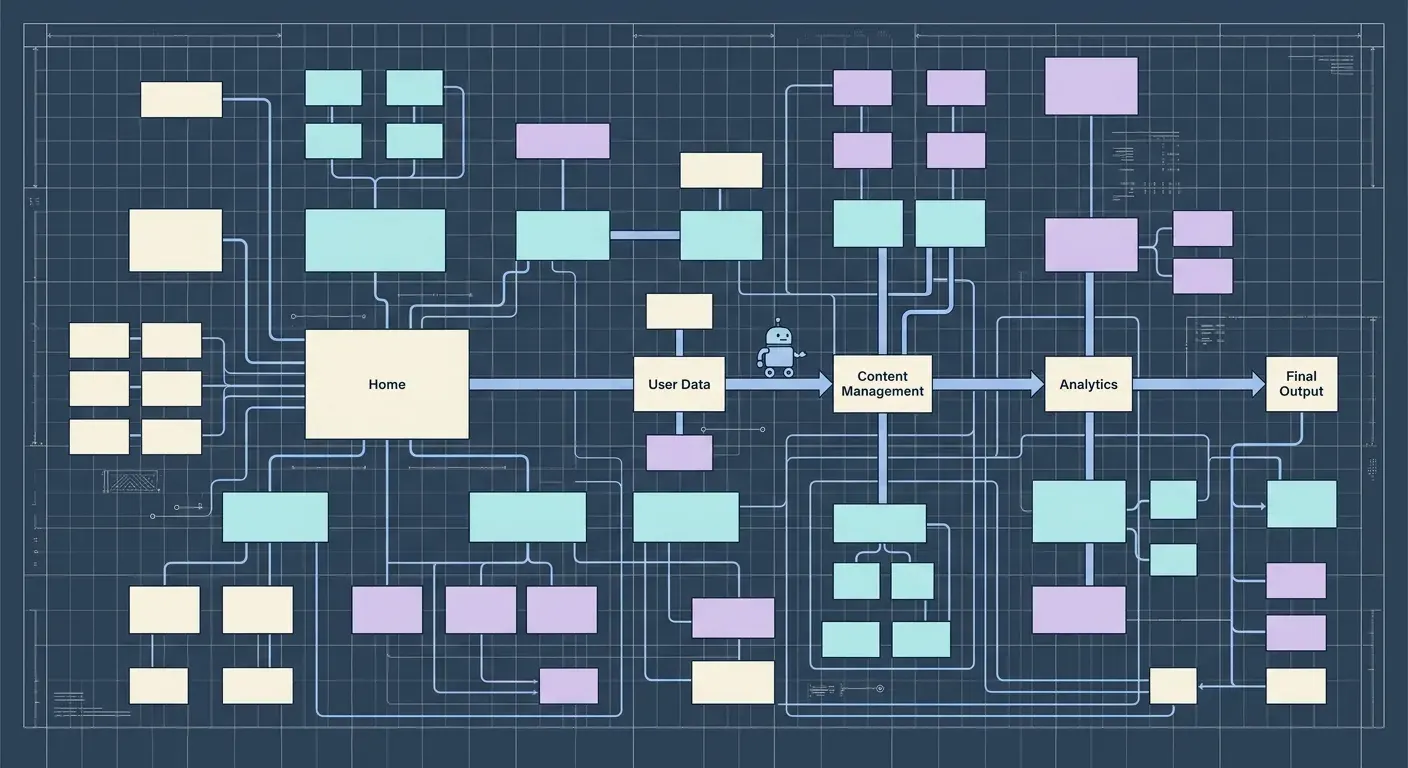
Managing crawler limits shapes better site architecture. Every page on your site influences where automated bots focus their attention. Accumulating thin, duplicate, or auto-generated parameter pages wastes valuable bot visits that should go toward discovering your main content.
Strategic internal linking signals clear hierarchy to search crawlers. Essential pages ought to sit within a few clicks of your homepage. Isolated pages lacking internal links risk remaining unseen, as crawlers assume unlinked pages carry little overall importance.
Managing entry rules and canonical tags protects site structure further. Blocking administrative or staging areas keeps bots focused on valuable content, while canonical markup clearly identifies primary page versions whenever similar content exists across multiple URLs.
Think of your web layout as an interconnected network map. Designing clear, direct paths helps automated visitors navigate and evaluate your site efficiently.
Content Strategy

Index evaluation proves that strong writing relies on thorough topic coverage rather than repeating target terms. Naturally exploring a subject brings out specialized vocabulary that proves genuine expertise.
A basic overview of machine learning using only surface terms looks generic to an index. An insightful piece addressing gradient descent, loss functions, and overfitting organically signals subject mastery. Natural industry language demonstrates true authority far better than artificial keyword insertion ever can.
Focus on writing with enough clear detail that knowledgeable readers immediately recognize your practical grasp of the subject.
Aligning content formats with reader expectations ensures your work matches current search results. Reviewing top-performing listings reveals whether users seek concise answers, broad guides, comparison tables, or product pages, allowing you to match the expected format directly.
Content maintenance needs depend on the subject matter. Core reference material stays relevant with periodic updates to facts and examples, while news or trending topics demand fast initial publishing to capture immediate interest.
Authority
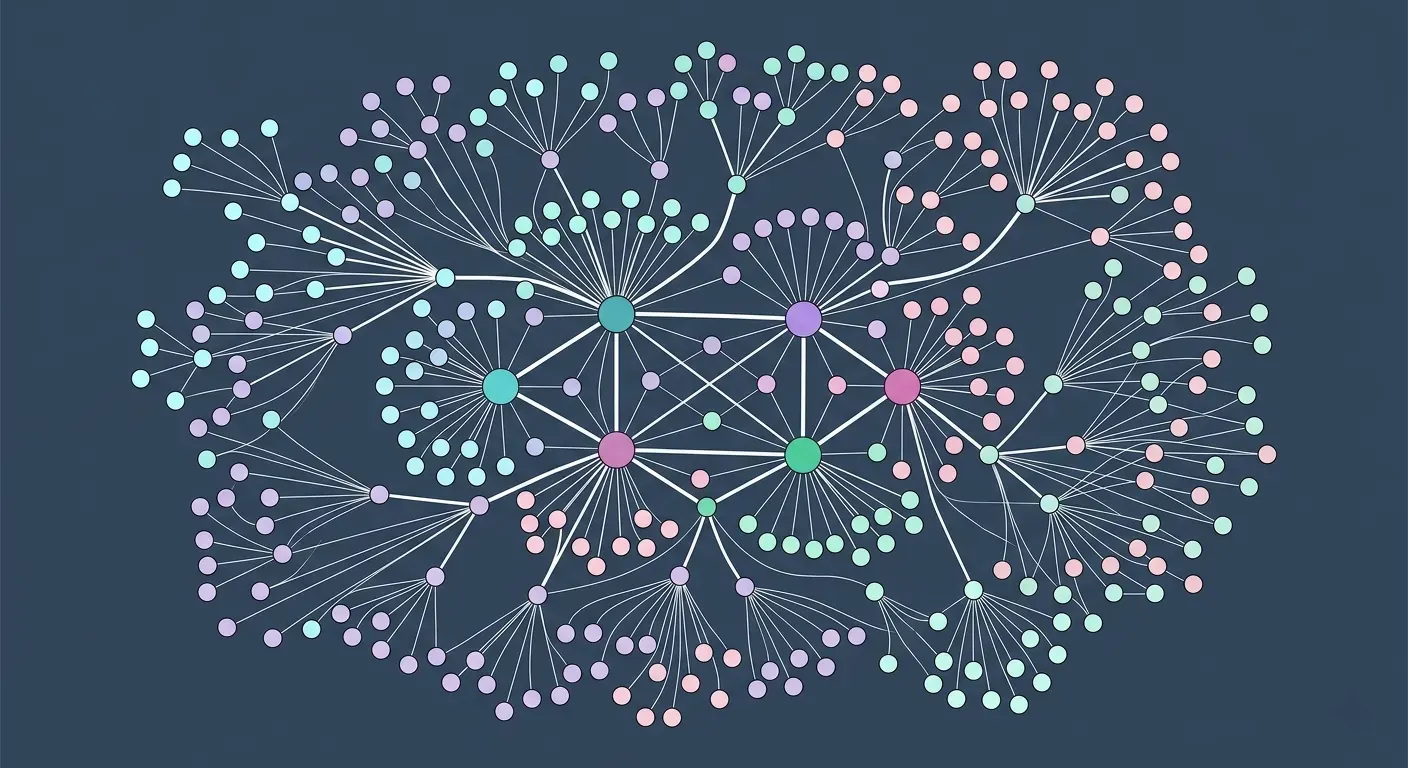
Link networks remain central to building search visibility, where the reputation and topic relevance of referring sites matter far more than total link counts.
A single reference from a respected industry publication carries vastly more value than dozens of listings from low-quality web directories. Credible endorsements pass real authority down the network, whereas weak or manipulative links offer no value and can bring ranking penalties.
Earning organic links comes down to producing citation-worthy work. Original research, useful data sets, detailed technical breakdowns, and definitive guides naturally attract references from writers looking for reliable sources.
The mental model shift: your site's authority isn't really yours. It's a function of where you sit in the link network of your field. Building authority means building your position in that network - which means being known to, and useful to, the people who write about your topics.
Building lasting authority is not a short campaign. It comes from consistently sharing insightful resources that others naturally want to cite.
Technical Foundation
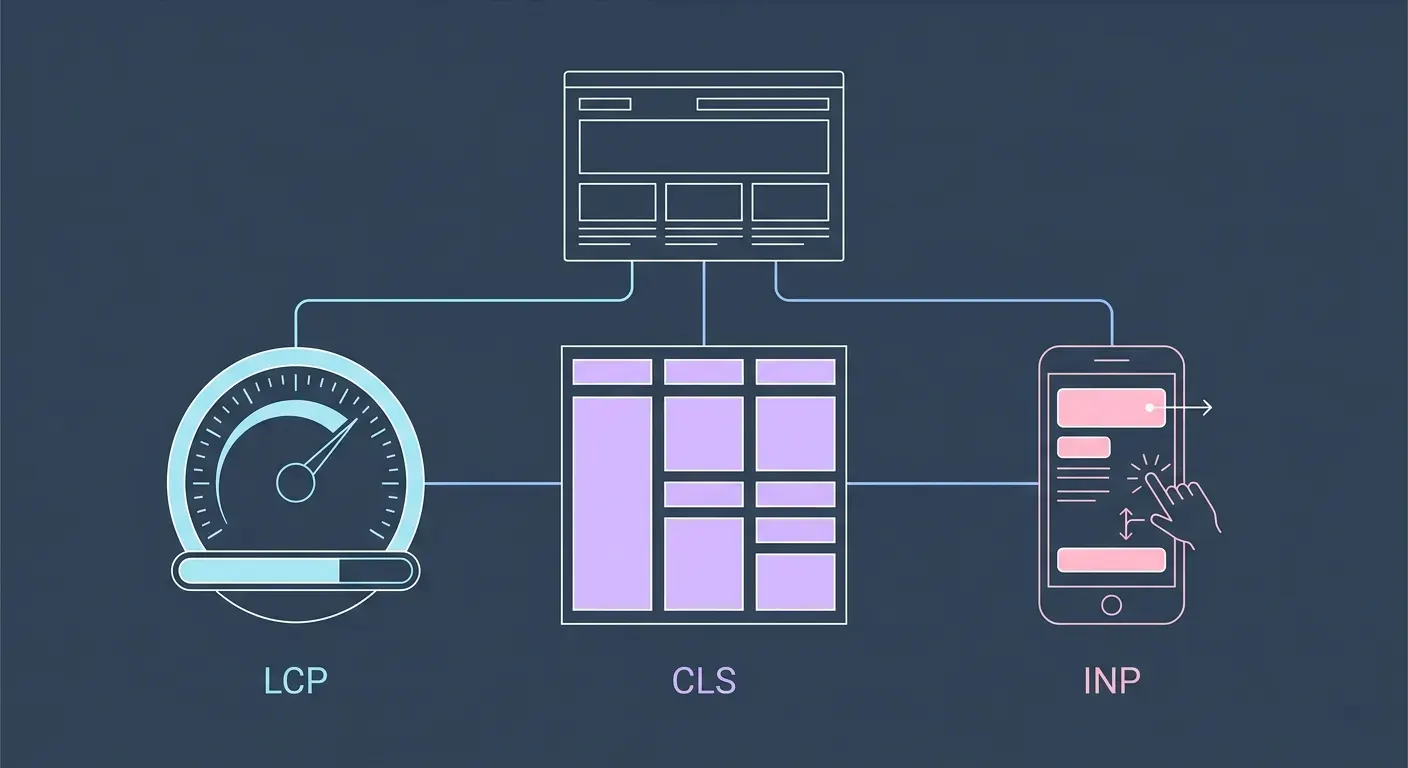
Technical elements establish the baseline requirements for web performance. Meeting these technical standards removes barriers, allowing strong content to reach its full potential.
User experience standards focus on fast visual loading, layout stability, and quick response times. Meeting these performance metrics keeps readers engaged, ensuring visitor traffic is not lost to slow load times or jumpy page layouts.
Secure connections are essential standard practice, and seamless mobile design is mandatory given mobile-first indexing. Since search engines evaluate the mobile version of your site, responsive layout design remains vital to maintaining search visibility.
Adding structured data schema gives search engines clear context about your content, helping highlight details like recipe steps, product prices, or FAQs directly within search results. These enhanced listings make your entries stand out and improve overall click-through rates.
A solid technical foundation gives your content a reliable platform. Keeping it fast, secure, and accessible allows your writing to perform at its best.
Conclusion
Trying to outsmart search engines with short-term tricks leads to endless catch-up every time algorithms update. Sustainable results come from building content that naturally aligns with how search engines discover and organize information.
Viewing search engines through their core mechanics makes effective digital publishing clear. Site design becomes a way to guide crawlers, strong writing relies on precise language rather than stuffed terms, and authority comes from building genuine industry trust.
Search systems exist to connect people with reliable, helpful answers instantly. Creating genuinely useful content aligns your goals with the engine's purpose, making long-term visibility a natural outcome.
Effective optimization is not about finding loopholes. It is about working in harmony with how the web operates.
The machine isn't against you. It just doesn't care about your intentions - only your output.
Why isn't my new blog post showing up on Google search results at all?
It probably hasn't been crawled yet because it is isolated on your site. Make sure you link to it from your homepage or other active pages, and submit your sitemap to help search bots discover it. If a page has zero internal links pointing to it, crawlers might never find it.
Do I still need to repeat my target keyword a bunch of times to rank?
No, modern search engines are much smarter than that and actually reward specific, natural language. Focus on covering the topic thoroughly using specialized industry terms rather than stuffing the same keyword over and over. Writing naturally signals real subject mastery, which is what the ranking algorithms are actually looking for.
Why is my really detailed, high-quality guide getting outranked by a short list of products?
You likely mismatched the user's search intent for that specific query. If Google detects that most searchers want to buy something immediately, it will prioritize transactional product pages over informational guides. Always check the current search results to see what format Google is already favoring before you start writing.
How do I get other websites to link to my content if I am just starting out?
Focus on creating highly shareable, citation-worthy assets like original data, unique research, or deep technical breakdowns. Writers and industry experts naturally want to link to reliable, original sources that back up their own claims. Building relationships with people in your niche is far more effective than begging for low-quality directory links.