
I picked up my phone to check the time. 47 minutes later, I was watching a video about how they make pencils. I hadn't moved. I hadn't blinked. I didn't even like pencils.
That wasn't a weird Tuesday. That was pretty much every evening. Sometimes it happened twice before noon.
I didn't think I had a problem. I figured I was just tired, a bit distracted, maybe a little bored. Which, yeah, sure. But it turns out those three things sitting together are exactly what the apps are built for.
The Addiction Nobody Names
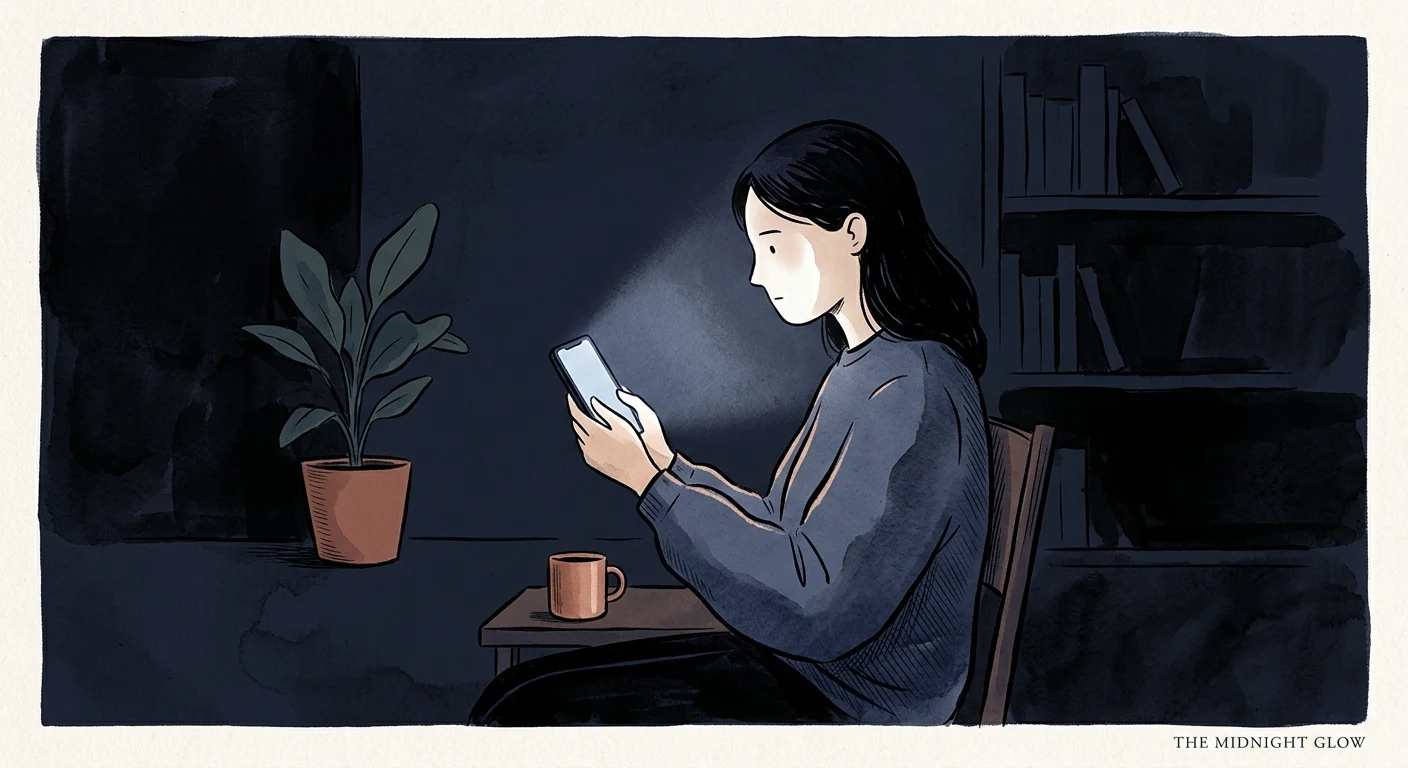
Nobody calls it addiction because it doesn't look like one. There's no rock bottom in the classic sense. You're not losing your job or your family over it. It's just your phone. Everybody's got one, everybody's on it, so it doesn't feel like a real problem.
But the numbers are hard to ignore. The average person touches their phone something like 2,600 times a day. Screen time for most young adults sits somewhere between 6 and 7 hours. That's close to half of every waking hour you have.
None of that is accidental. Every notification, every red badge, every scroll that never quite ends is the result of people whose entire job is to make sure you stay on the app longer than you planned. Infinite scroll exists so there's no natural place to stop. The unpredictability of what shows up next, sometimes something great, often nothing, fires the same reward circuit as a slot machine pull. They know this. It's not a side effect. It's the point.
This isn't a willpower problem. It's a design problem. And the design is winning.
So if you've tried cutting back before and it didn't stick, that's why. You weren't failing some personal test. You were going up against a machine that has spent more time studying your habits than you ever will.
The Moment I Couldn't Ignore
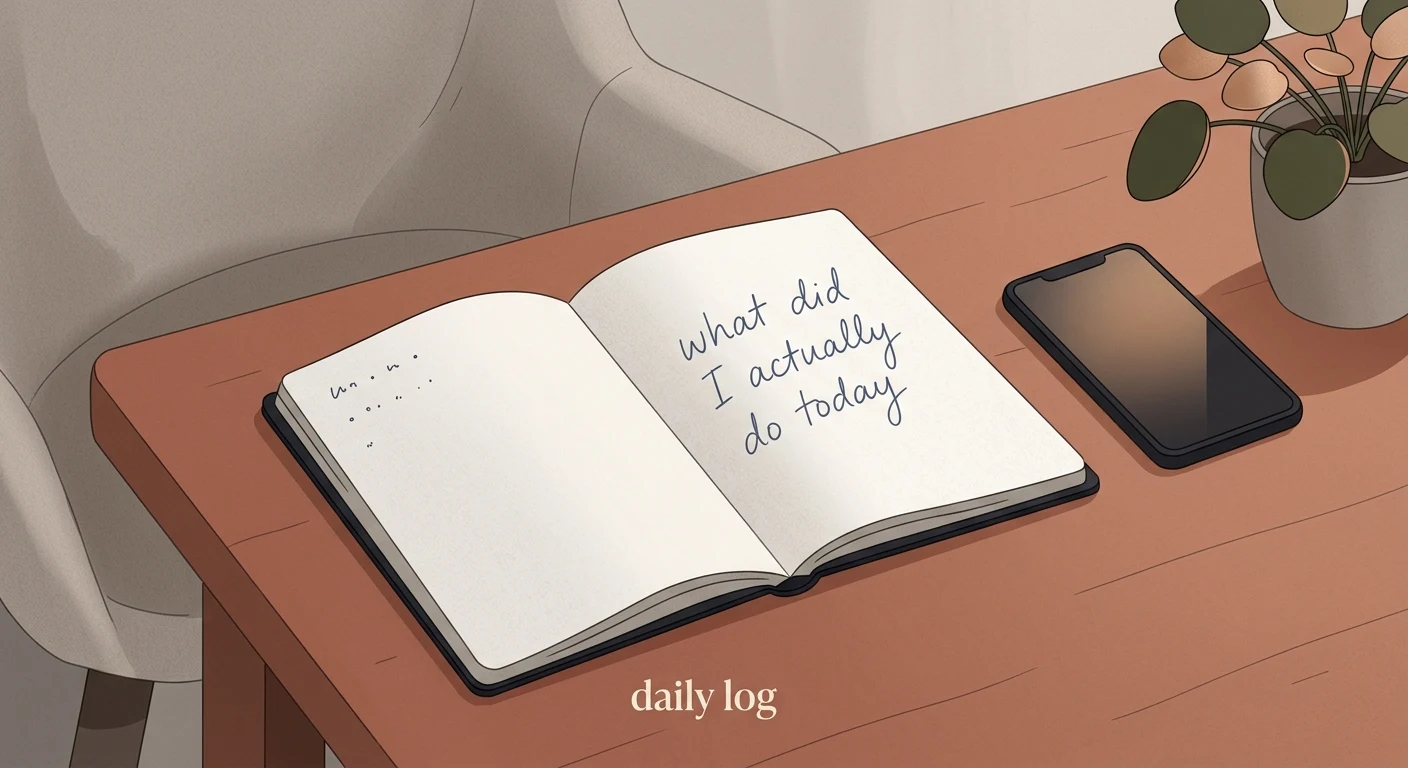
I had a project I actually wanted to work on. Not something I was putting off, something I genuinely cared about getting done. I sat at my desk, opened my laptop, then picked up my phone to check one thing.
When I looked up it was dark outside. Four hours had gone. I had nothing to show for any of it.
What got me wasn't even the wasted time. It was that I couldn't remember a single thing I'd looked at. Not one video, not one post, nothing that had registered in any real way. I just felt hollow. A bit anxious, weirdly hungry, like I'd been eating all day but hadn't had an actual meal.
That night I decided to do the 30 days. Not because some newsletter told me to. Because I felt genuinely robbed of my own evening by my own hand, and that felt pretty embarrassing once I sat with it.
Week 1: See the Problem Clearly
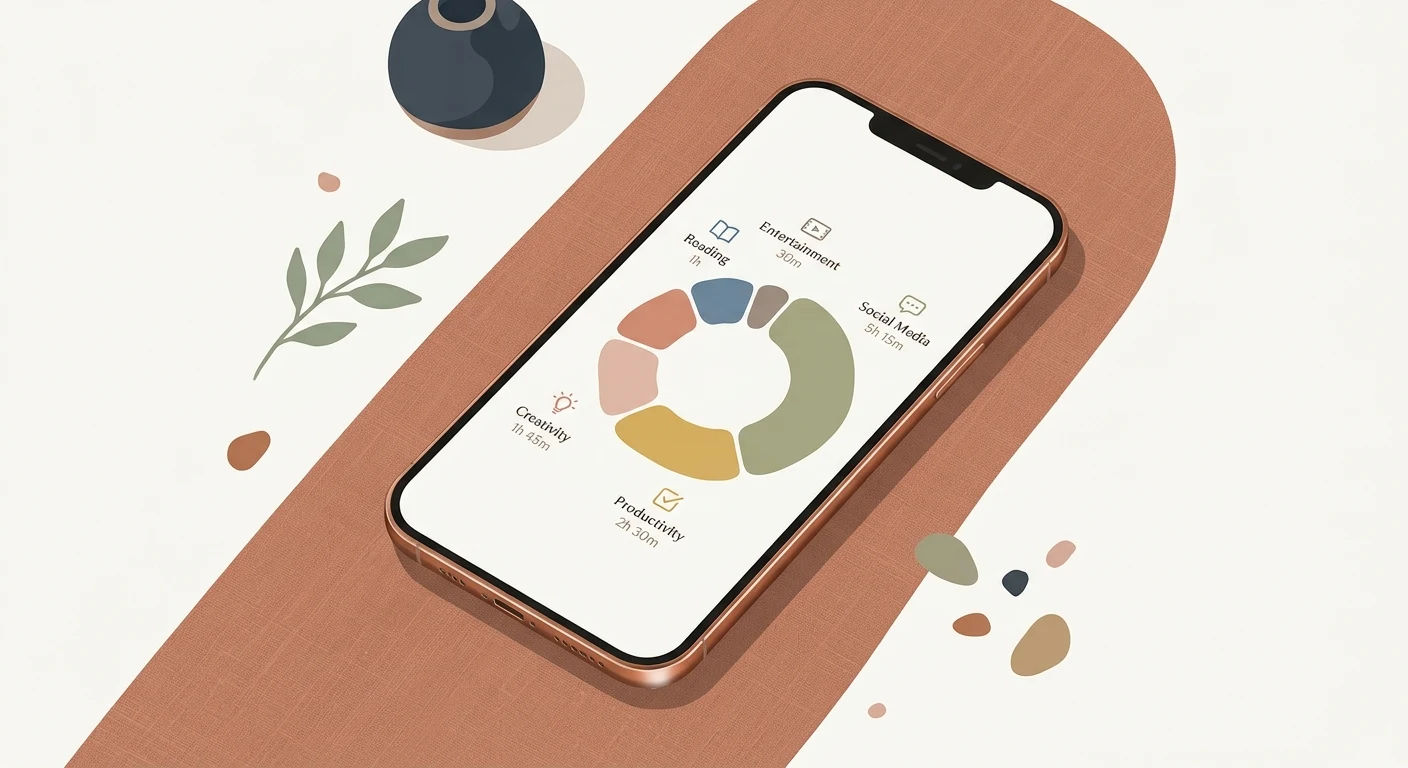
I didn't try to change anything in week one. I just looked at what was actually going on.
Start with your screen time report. Settings, Screen Time on iPhone, Digital Wellbeing on Android. Just read it honestly. Most people guess they're at about 2 or 3 hours and are actually at 5 or 6. I was at 5 hours 40 minutes. Apps I barely thought about were eating time I couldn't account for.
The other thing I did was track my triggers. Kept a note, on my phone, yes I know, where every time I picked it up I'd write one word for why. Bored. Anxious. Waiting. Avoiding something. Lonely. It was almost always one of those five. My phone wasn't keeping me entertained. It was keeping me from feeling uncomfortable, which is a different thing entirely.
Getting clear on that before changing anything matters a lot. Delete the apps first and you'll reinstall them in a week because the discomfort they were handling is still there. I know because I'd done exactly that, twice.
Week 2: Make It Harder to Mindlessly Pick Up
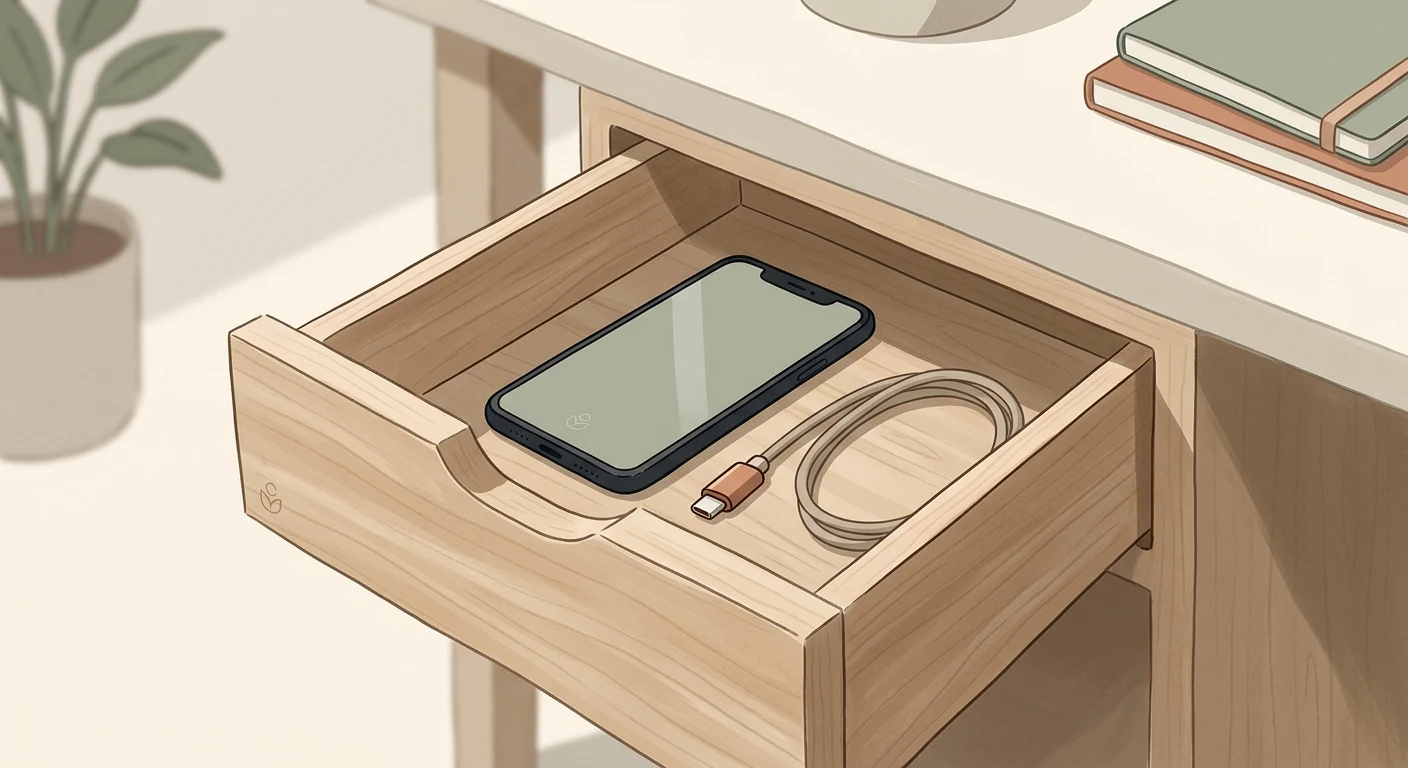
Week two wasn't about discipline. It was about making the absent-minded grab slightly less automatic.
I buried the worst apps. Moved them off my home screen into a folder, three taps in. Not deleted, just not sitting there waiting for me. That one change cut my Instagram time almost in half inside three days, because most of my opens were pure reflex. Adding a tiny bit of friction broke the reflex without needing any extra willpower from me.
I also switched to grayscale. Sounds like a small thing. The colour in these apps is not accidental, it's part of what makes them feel rewarding to look at. In grey, Instagram looks like a badly scanned document. The pull just isn't there in the same way. Genuinely try it before you dismiss it.
You're not trying to become a monk. You're just putting a small speed bump between the impulse and the action.
The last thing: phone goes in another room when I'm working or sleeping. Not face down, not on silent, actually in another room. Out of sight turns out to mean out of mind in a way I didn't expect. The urge to check mostly just doesn't come when it's not physically nearby.
What didn't work: I set a hard 2-hour daily limit through the app settings on day one. I broke it on day two and immediately felt like I'd blown the whole thing. Hard caps set you up for a pass-or-fail mentality. Friction is a lot more forgiving.
Week 3: Replace the Habit, Not Just Remove It
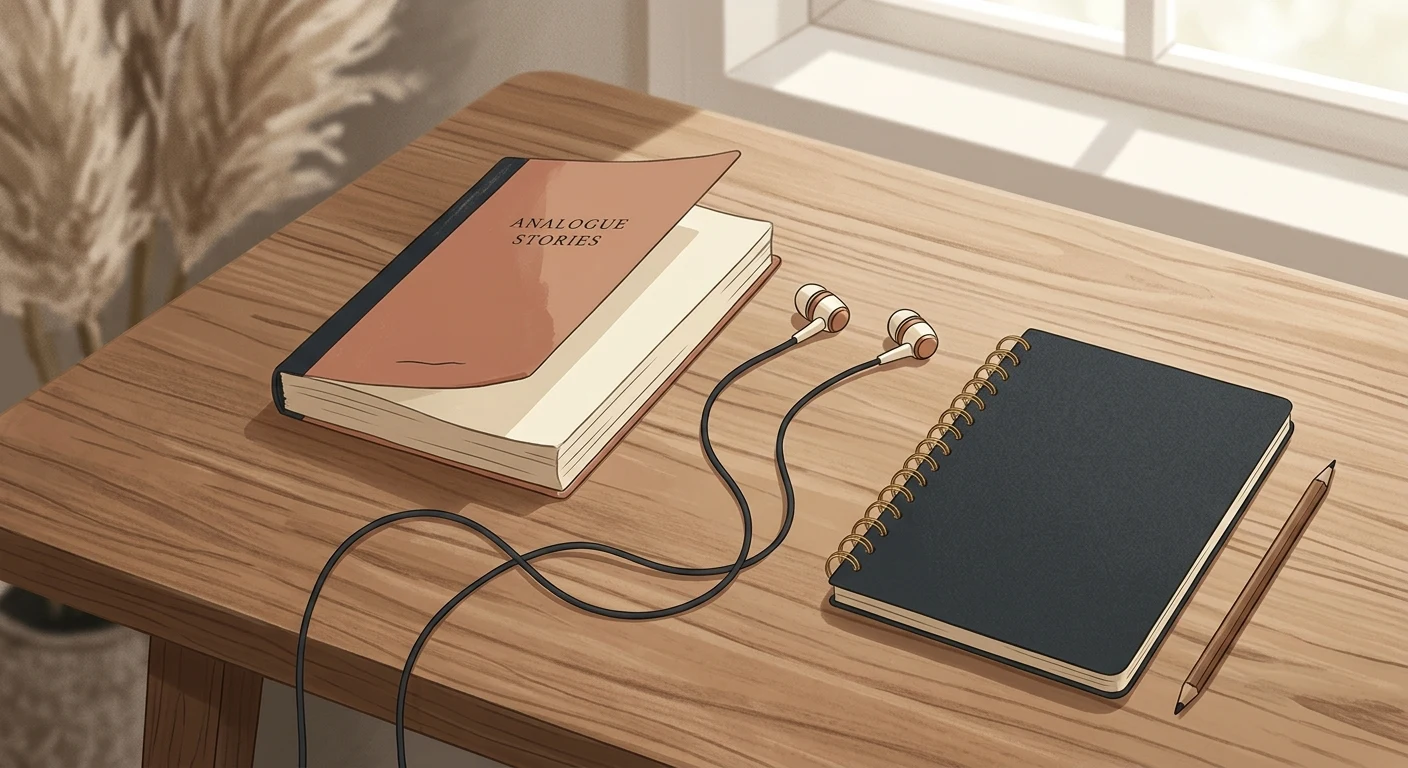
This is the part where most people's detoxes fall apart. You remove the habit, leave a gap, and the gap just fills back up with the same thing.
I figured out my three worst phone moments: first thing after waking up, whenever I was waiting for something, and the 30 minutes before sleeping. Then I put something else deliberately in each one.
Mornings: phone stays on charge until after breakfast. I'm not checking it while I eat, not checking it while I make coffee. Just those 20 minutes of not starting the day with other people's noise. Felt strange for about a week. Then it became the part of the morning I actually liked.
Waiting time: I started carrying a book. A real one, paper, not an app. Three minutes at the bus stop, I'd read. Ten minutes between classes, I'd read. I got through two books that month. I'd finished maybe two in the entire year before that.
Before bed: phone charges in the hallway. Bought a cheap alarm clock for a few hundred rupees. The first few nights I just lay there. By the end of the first week I was sleeping better than I had in a long time, and I hadn't changed anything else.
Week 4: The New Normal
By week four most of this had stopped requiring any thought. The habits had settled. I was still using my phone, just not the way I had been.
One thing I layered in during this week: fixed check-in windows. Instead of being available to the feed at any moment, I gave myself three slots, mid-morning, after lunch, early evening, with a real timer running during each one. Having a window you chose feels completely different from a cage that locks you out. One feels like control, the other just feels like punishment.
I also started asking myself one question each time I picked up my phone: Am I going somewhere specific, or am I running away from something? Two seconds, every time. It catches a surprising number of opens before they happen.
What Actually Changed
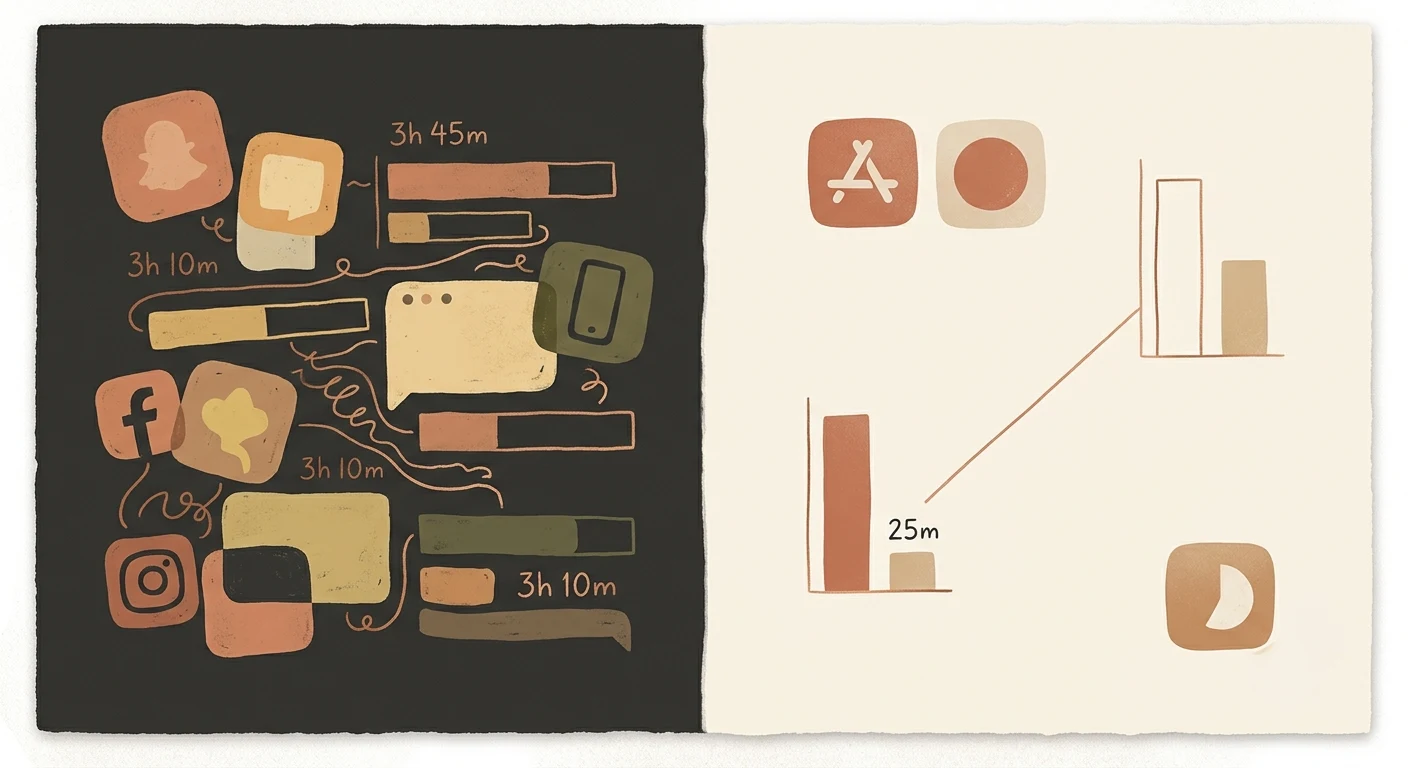
Screen time went from 5 hours 40 minutes down to 1 hour 55 minutes by the end of week four. I checked the numbers every Sunday so I wasn't just guessing.
Sleep changed a lot. I was getting somewhere between 5.5 and 6 hours and waking up exhausted. By week three I was at 7 to 7.5 without doing anything different except keeping the phone out of the room. That single change probably mattered more than everything else combined.
Focus came back in a way I hadn't expected. Not some dramatic productivity transformation, just small things. Sitting with a task longer. Finishing things I started. Thoughts feeling less like a browser with 40 tabs open.
The one I didn't see coming: quieter baseline anxiety. I hadn't made that connection before. But living inside a constant stream of other people's lives, news, and opinions had been doing something to my mood that I only noticed once it stopped.
I didn't feel like I was missing out. I felt like I'd been missing out on my own life.
Three Things You Can Do Today
Thirty days is a real commitment and you might not be there yet. Fine. But these three things you can do tonight, and they'll start shifting something even if you do nothing else.
- Go look at your actual screen time right now.Not a rough guess. The real number, broken down by app. Write it down somewhere so it doesn't just float away. Most people have never actually looked, and the number has a way of making the problem feel real in a way that vague guilt doesn't.
- Switch to grayscale tonight. iPhone: Settings, Accessibility, Display and Text Size, Color Filters, Grayscale. Android: it's usually under Accessibility or Developer Options depending on your phone. Run it for 48 hours and see what happens to the pull. It's weird how well this works.
- Sleep without your phone in the room, just once. Charge it outside. Use your laptop or a basic alarm clock for your morning alarm. One night. See what your morning actually feels like when it doesn't start with a screen.
None of that costs anything. None of it takes more than five minutes to set up. It's not the whole solution but it's a real start, and a real start is more than most people ever make.
One Last Thing
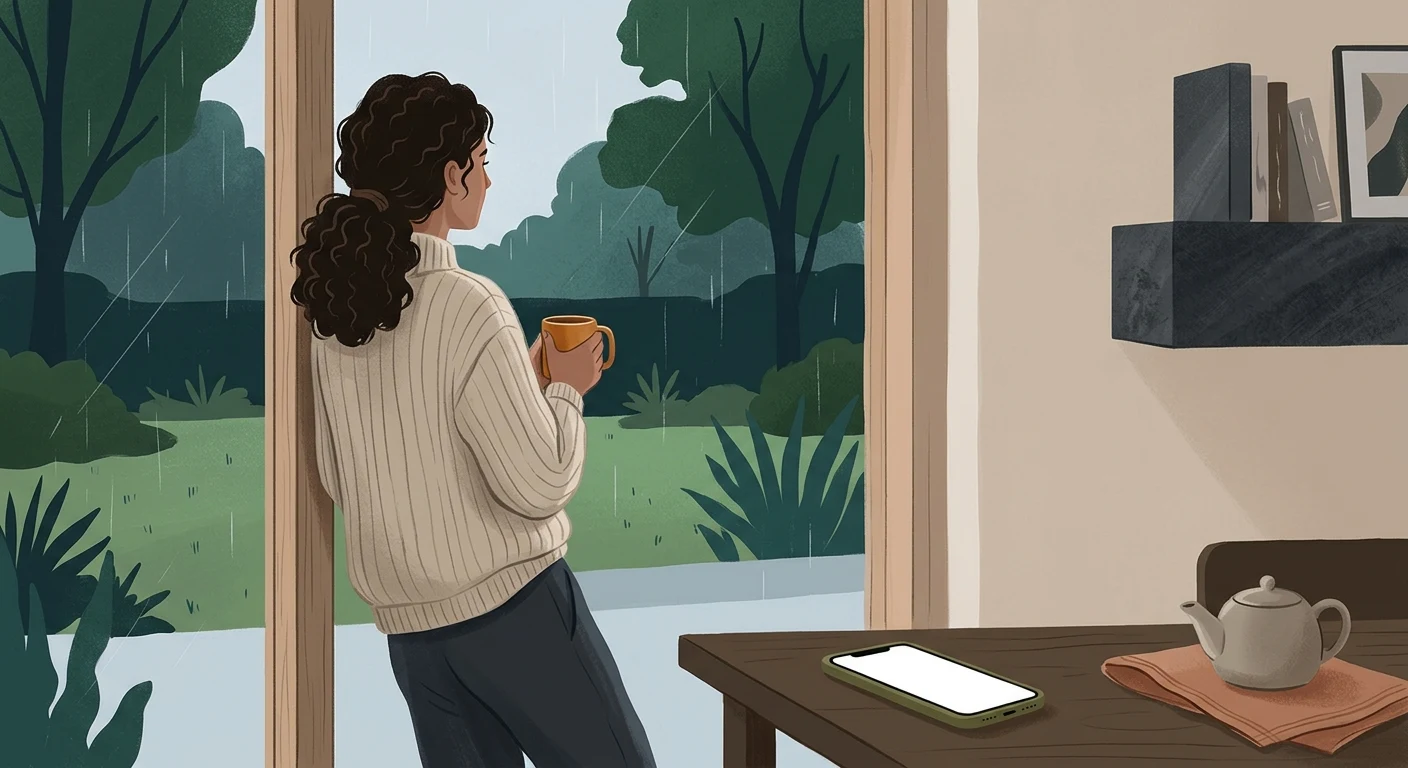
Your phone isn't the problem. It's a tool that slowly started passing itself off as a life, and somewhere along the way you stopped noticing the difference.
The apps are engineered to feel urgent. To feel social. To make you think stepping away means missing something. That feeling is manufactured. The stuff that actually matters, the real conversations, the work you care about, the sleep, the quiet, none of that lives in a feed.
So I want to leave you with one honest question: If you could watch a replay of how you spent your phone time last week, would you be okay with what you saw?
If not, you don't need more convincing. You already know.
Drop your current screen time average in the comments. Just the number, nothing else. I'm genuinely curious what we're all actually working with.
How can I keep my phone in another room if I need to hear it for emergencies?
Put your phone on loud for calls only and place it in the hallway so you can still hear a ring. Using a cheap alarm clock for your bedside removes the need to have the screen right next to your pillow. This keeps you reachable without letting the phone creep back into your hands during late-night hours.
Is switching my screen to grayscale really going to stop me from scrolling?
Try it for forty-eight hours and you will be amazed at how quickly your brain loses interest. Stripping away the bright, rewarding colors makes vibrant feeds look like dull, scanned documents. This tiny adjustment instantly breaks the visual charm that keeps you scrolling mindlessly.
What should I do when I get that twitchy, anxious urge to grab my phone while waiting in line?
Carry a physical paperback book with you everywhere to quickly fill those sudden waiting gaps. When the twitchy feeling hits, pause for two seconds and ask yourself if you are running away from an uncomfortable feeling. Sitting with that brief boredom for just a few minutes will help the urge fade on its own.