
Picture this: you sit down to answer one email. Ninety seconds in, you're watching a raccoon wash cotton candy underwater, and you have no memory of how you got there. Sound familiar? Good - that means you're human, not broken.
There's a stubborn myth floating around that we now focus worse than a goldfish. It's fake. The number was invented, the goldfish never consented to the comparison, and decades of lab data actually show our raw attentional capacity hasn't budged much at all. What has changed is training. Your brain used to lift light weights; a newspaper, a slow-loading webpage. Now it's doing curls with a phone that buzzes every four minutes. No wonder it's tired.
Attention isn't a personality trait. It's a muscle. And muscles respond to reps, not lectures. So instead of another guilt-trip list, here are seven small, slightly sneaky daily habits that quietly put your focus back in the gym.
1. Exile Your Phone Completely 📱
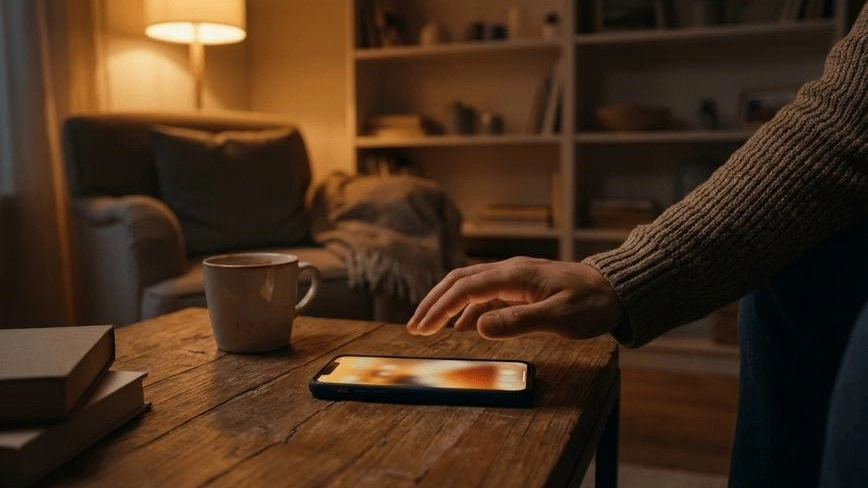
There's a version of you that puts the phone face-down on the table and feels very virtuous about it. That version is still getting robbed. Your brain tracks the phone's presence, not just its screen - like knowing there's a slice of cake in the fridge even with the door closed. One study on device proximity found that just having a phone within reach; off, silent, face-down - quietly eats into working memory. The fix costs nothing: pick one window a day maybe at dinner, the first hour home, your commute and put the phone in a different room entirely.
As the saying goes, out of sight isn't a cliché, it's a cognitive strategy.

2. Finish the Thing Before You Start the Next Thing ☝🏻
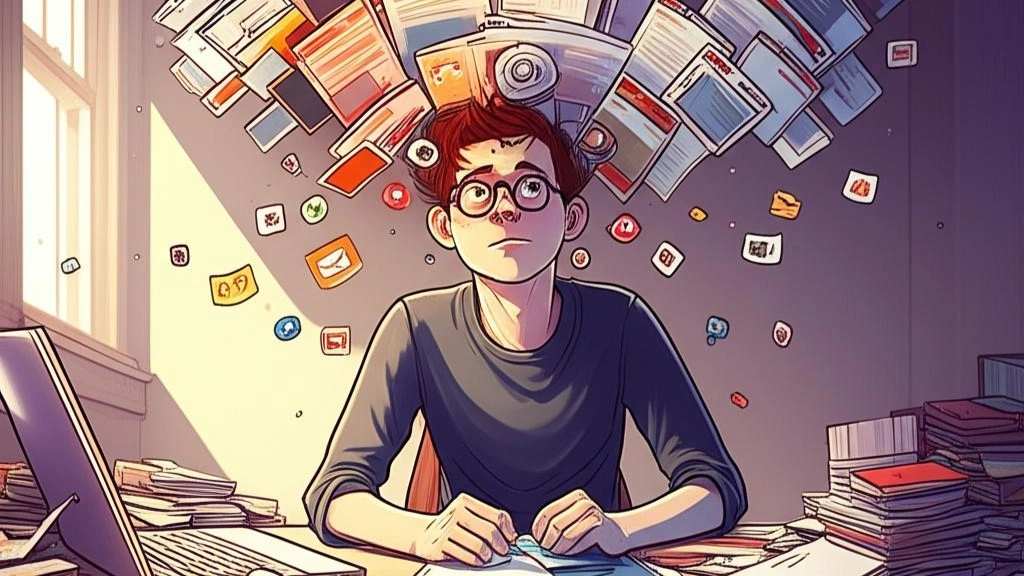
Here's a tiny horror story we've all lived: you're deep in a report, someone pings you on Slack, you reply "one sec" and vanish for twenty minutes. When you come back, the report might as well be written in Sanskrit. That fog has a name - Attention Residue - and it happens because an unfinished task keeps quietly running in the background of your mind, like an app you forgot to close. The antidote isn't superhuman willpower. It's smaller loops. Close the tab before you open the next one. Finish the paragraph before you check the phone. Every completed loop is one less ghost following you into the next task.
Small finish lines matter more than big finish lines you never reach.
3. Don't Let the World Get to You Before Coffee Does 🏃♀️➡️
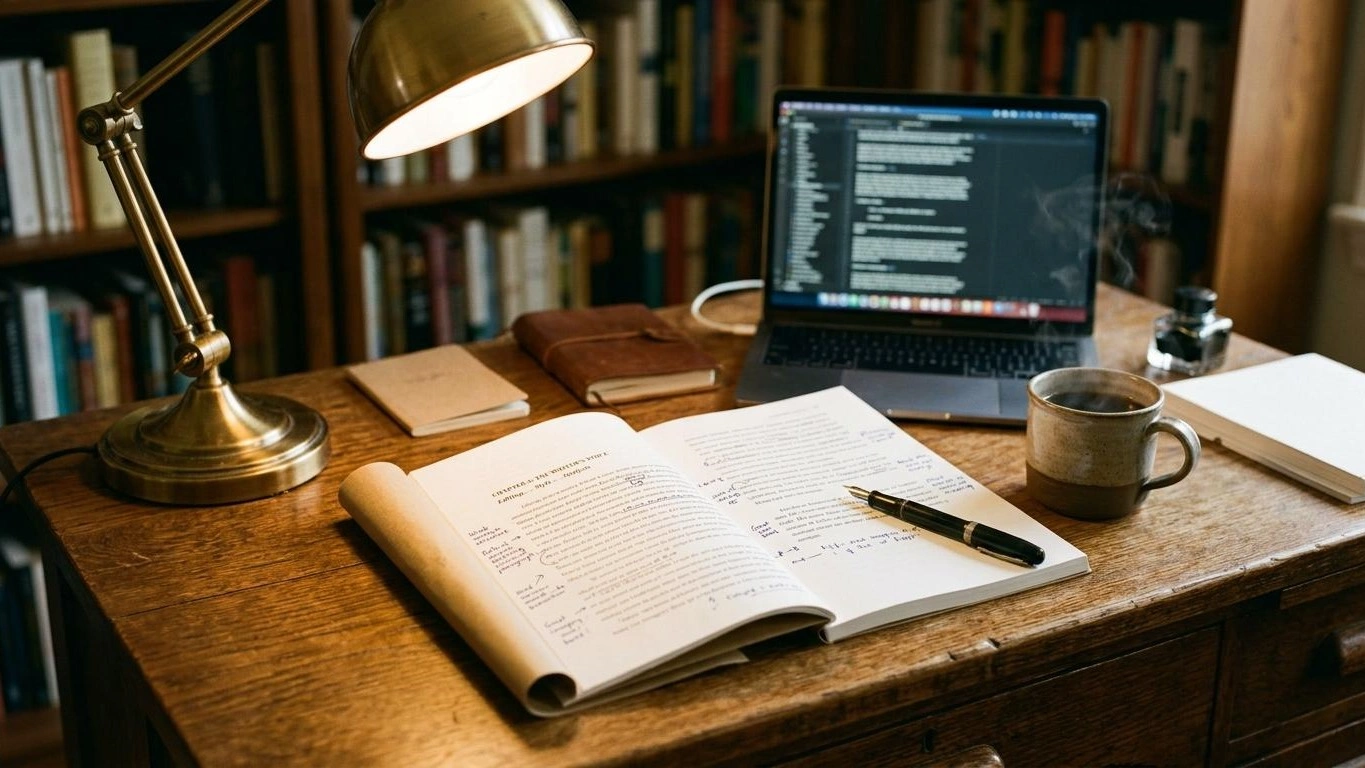
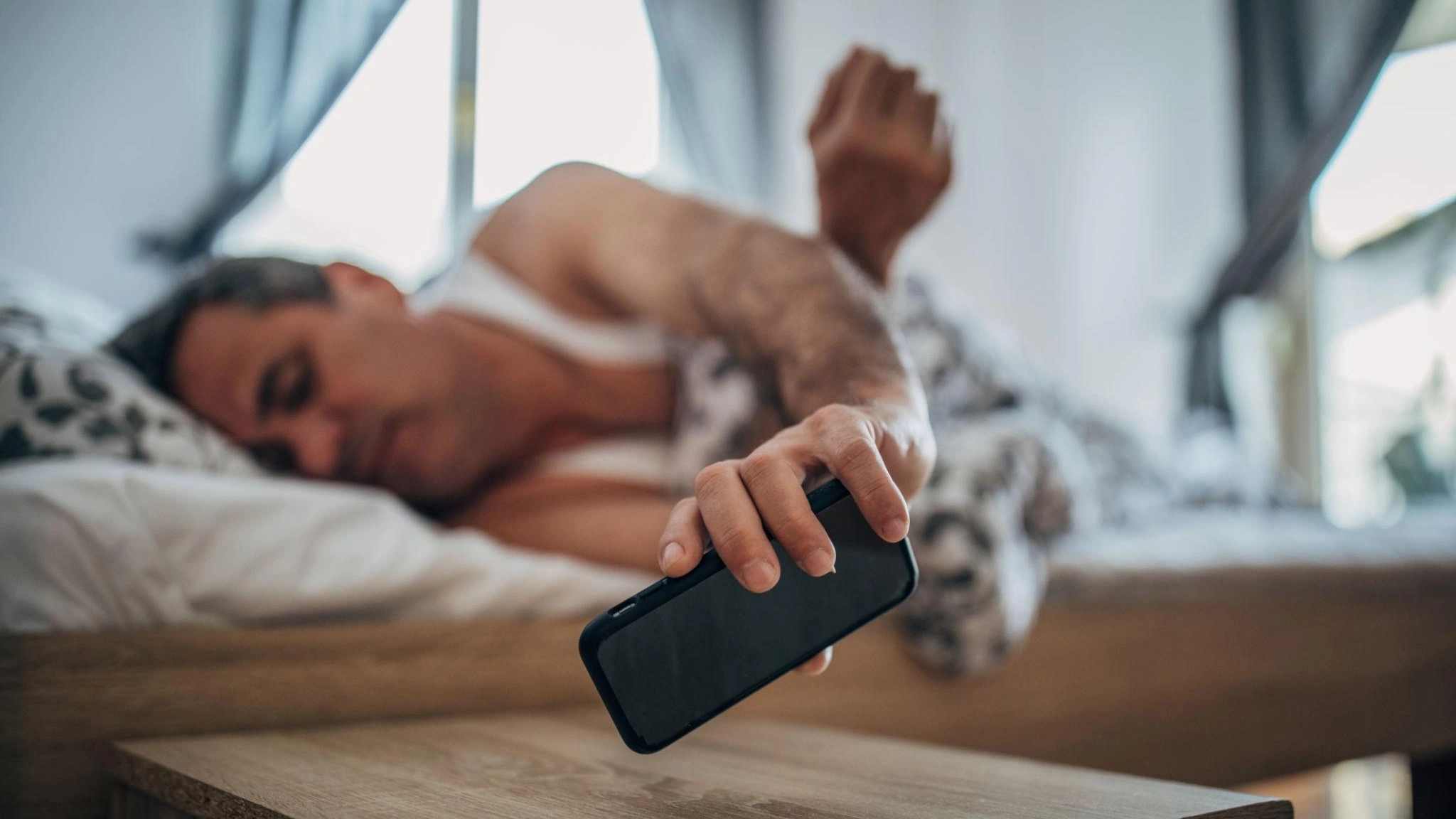
There's a particular kind of person, maybe you know them, maybe you are them - who opens their eyes and their Instagram feed in the same motion. Before their feet touch the floor, they've absorbed a stranger's engagement, a political meltdown, and an ad for mattresses. That's like sprinting a 100m dash the moment you wake up, cold muscles and all. Give your brain sixty boring minutes first that sunlight, water, breakfast, silence with your prefrontal cortex booting up properly instead of getting sucker-punched. People who protect this hour consistently say the entire day feels less like a fire drill.

4. Train Focus Like a Beginner at the Gym 💪
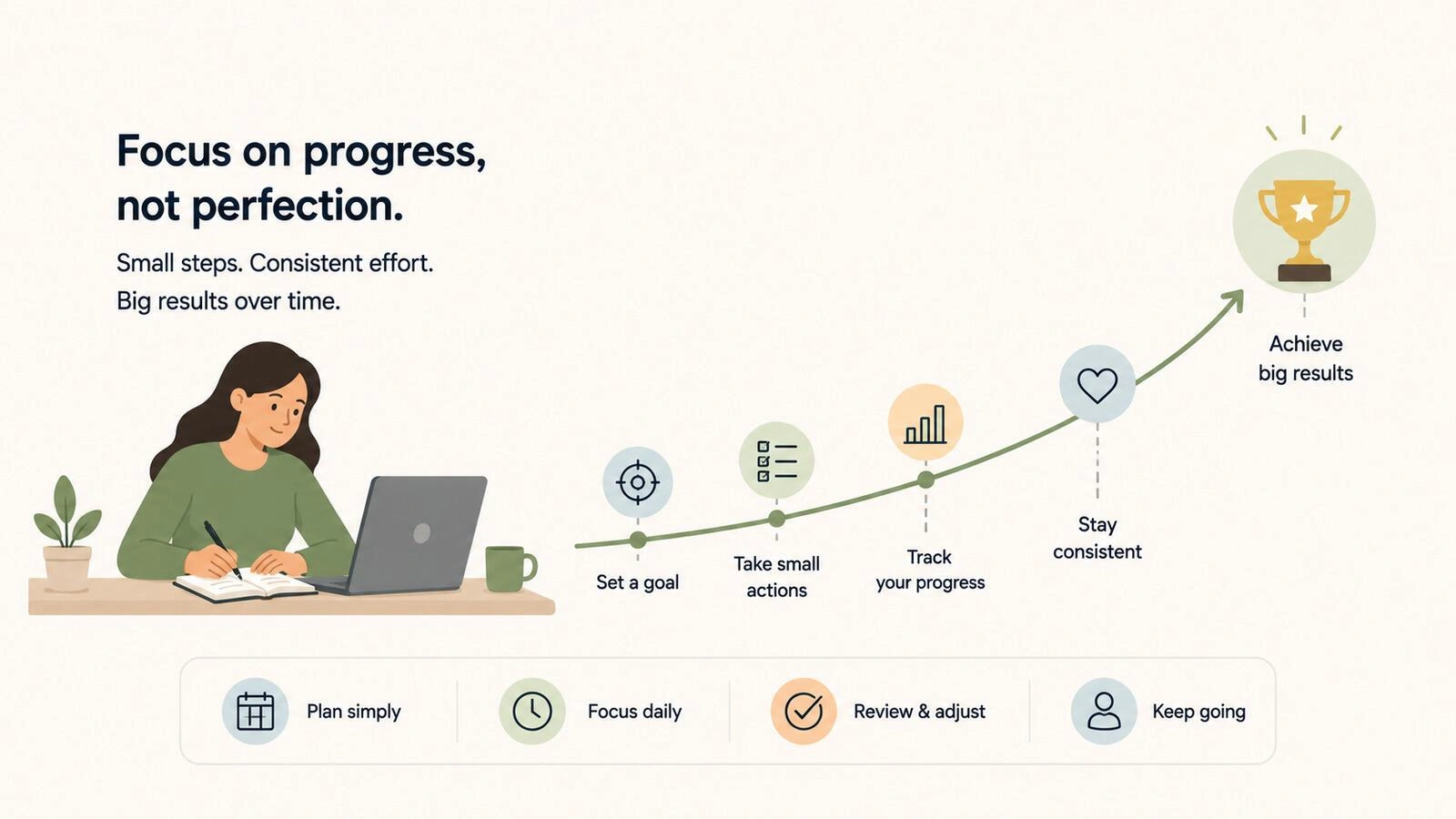
Nobody's first day at the gym is a personal record. Yet somehow we expect ourselves to sit through two hours of "deep work" fail spectacularly, and conclude we're simply not focus people. Flip the script: set a timer for ten honest, single-tasked minutes - one goal, phone elsewhere and treat finishing it as the whole win. Next week, push it to fifteen. It's not about the ten minutes. It's about proving, in a small measurable way, that the muscle grows.
You don't rise to the size of your goal. You rise to the size of your reps.

5. Swap the Bottomless Scroll for Something with an Ending 🙂↔️
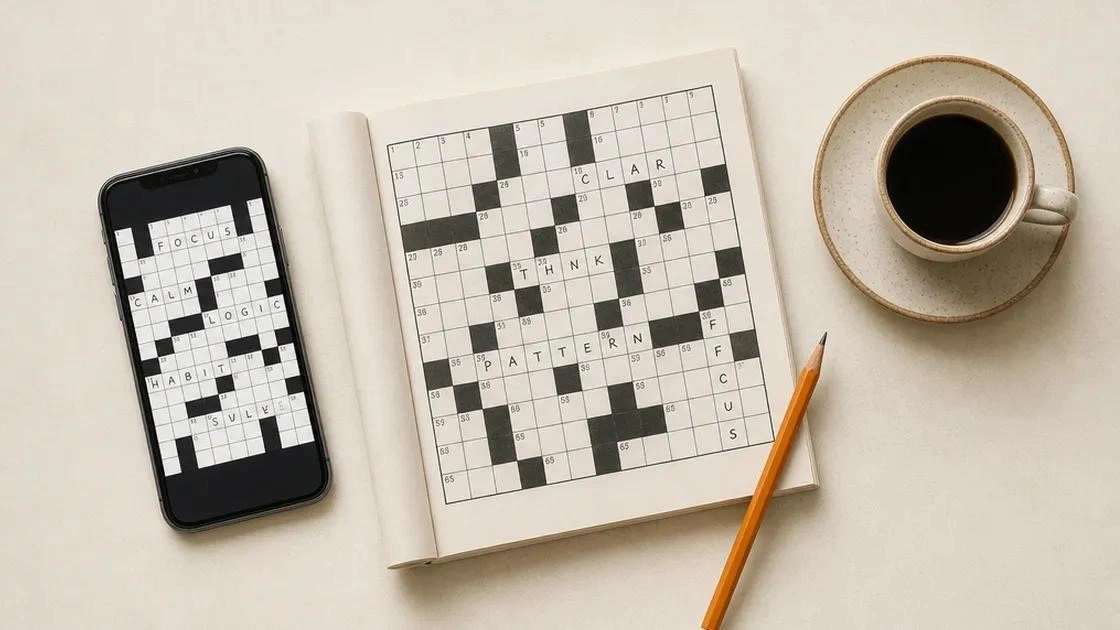
Feeds are built like a treadmill with no stop button, it’s not an accident but the business model doing its work. The next time boredom sends your thumb wandering toward an app, redirect it toward something small that actually ends: one crossword clue, a five-minute language lesson, one page of a book. It sounds too simple to matter, but every "finished" thing you do is a small rebellion against a feed engineered to make sure you never feel done.

6. Guard Your Sleep Like It's the Wi-Fi Password to Your Brain 🦹🏻
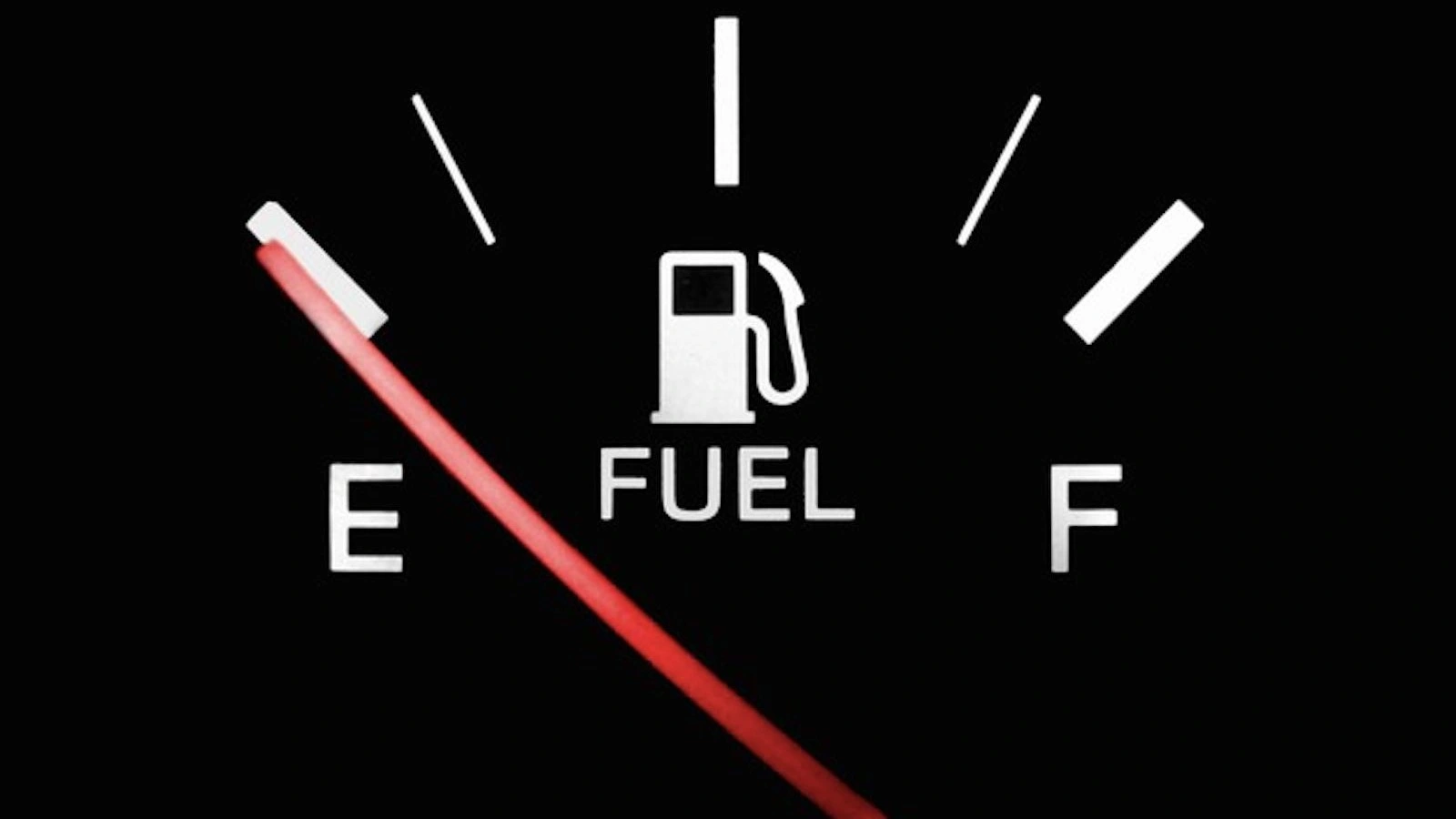
You can meditate, single-task, and time-block like a productivity influencer, but none of it survives contact with five hours of sleep. Researchers who restricted volunteers to five hours a night watched speed and accuracy drop within two days and it didn't bounce back until sleep did. Skimping on sleep to "get more done" is like driving faster on an empty tank. It looks productive for exactly one evening.

7. Move First, Focus Second 🧚♀️
There's an old joke that the best time to plant a tree was twenty years ago, and the second-best time is now, the same logic applies to a twenty-minute walk before a hard task. Movement triggers a release of a brain protein called BDNF, basically fertilizer for new neural connections, and the resulting focus boost can last a couple of hours. So the next time your brain feels like static at 3 p.m., don't grit your teeth and stare harder at the screen. Take the walk first. It isn't a break from the work - it's the warm-up lap.


The Punchline 🫵
None of this requires a new personality, a silent retreat, or a phone made of rock. It requires reps - boringly small, endlessly repeatable ones. Attention doesn't come back in one dramatic gesture; it comes back the way any strength does, one finished task, one phone-free hour, one decent night's sleep at a time.
Pick one habit from this list. Just one. Do it today, badly if you must, and do it again tomorrow. That's the whole trick and honestly, your future self, mid-focus, mid-flow, finally finishing something without a raccoon interrupting. It’s worth it!
Tips are courteously invited in the comment section with me being the first hooman to try that out! 😙
Is it true that humans now have a shorter attention span than a goldfish?
No - and the goldfish never even consented to being part of this rumour. The "8 seconds, shorter than a goldfish" claim traces back to an uncredited stat in a 2015 marketing report, and no goldfish has ever actually been timed for attention span. As Forbes reports, humans routinely sustain attention for hours when a book, film, or task genuinely holds their interest.
What is the average human attention span, really?
There isn't one clean number, because attention isn't a single, fixed trait - it depends heavily on the task. What researchers can measure is a trend: attention-span expert Gloria Mark's research, covered by CNBC, found that sustained focus on a single screen-based task dropped from around 150 seconds in 2004 to roughly 47 seconds two decades later.
Can attention span actually be improved, or is it fixed?
It's trainable, not permanent. Experts at the University of Rochester Medical Center note that focus naturally shifts in short cycles, and simple habits - reducing distractions, single-tasking, scheduling real breaks can retrain the brain over time.
How long before these habits actually start working?
Don't expect an overnight fix - attention isn't a light switch. The widely cited habit-formation research from University College London summarized on UCL's own blog found it takes an average of 66 days of consistent repetition for a new behavior to start feeling automatic, though it can range anywhere from about 3 weeks to 8 months depending on the habit.