
People’s concerns about the economy aren’t merely idle thoughts; rather, they are direct responses to actual financial difficulties, such as high prices or employment anxieties. Everyone becomes obsessed with the economy when unemployment increases or inflation spikes. According to a Gallup poll conducted in 107 countries in 2025, a median of 23% of respondents named it their top national issue, with younger people who are most affected by affordability issues ranking it at 34%.
Flip that those concerns subside and focus shifts when jobs seem stable and prices remain constant. According to a McKinsey report from late 2025, deteriorating circumstances fuelled widespread pessimism, particularly in developed regions where declines were twice as severe as in optimistic emerging markets. Based on reliable survey data, stable income reduces economic anxiety by allowing people to smooth out spending without panic. Think of it like this – your brain prioritizes paying rent over debating distant policies when cash is tight.
The Economics of Feeling Secure
Imagine a busy parent balancing bills, the ongoing financial stress goes away as soon as grocery prices stabilize and that steady pay check arrives. When economic anxiety subsides, ideas about school funding or neighbourhood safety can take precedence. When unemployment remains below 5% and inflation falls below 2%, people can plan ahead without fear, bringing daily spending into a steady rhythm.
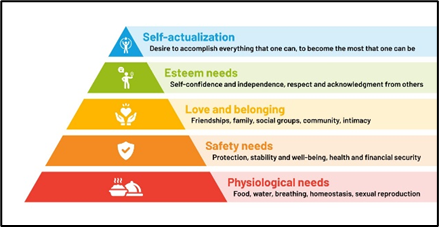
Consider it as your financial situation moving up Maslow’s pyramid: lock in the essentials (safe jobs, consistent real income), and then raise more general issues (fair policies, community vibes). According to Gallup’s 2025 global surveys, economic concerns subsided as youth affordability increased, focusing instead on governance. Concerns about jobs fell 15 points during Europe’s post-2024 recovery, which sparked reform discussions.
Stability doesn’t push life to the side; it improves it. It shifts priorities from panic to purpose.
When Politics Becomes an Economic Variable
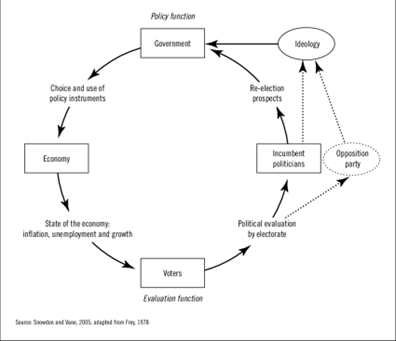
Politics emerges as the next major player in the wallet game once that financial base is stable, much like our working parents’ stable bills. It influences fiscal policy by adjusting taxes to increase take-home pay or by enacting wise laws that keep labor markets stable.
There is no drama here: sound governance, like infrastructure investments that multiply real income stability from the previous section, feeds expectations for long-term growth. Even when prices remain stable, policy uncertainty can cause anxiety to spike. It is explained by institutional economics. Reliable regulations foster public trust by converting political decisions into economic benefits rather than just noise.
Daily angle: Your money flow is directly impacted by the national budget vote or the zoning call from your local council. When survival’s handled, politics turns from background hum to foreground force, guiding the stability you just earned. Priorities evolve, so does influence.
Different Economies, Different Pressures
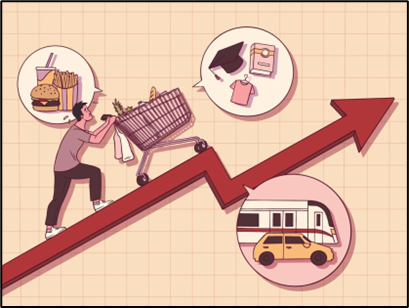
Adding to that wallet game where politics dictates stability, the fact that inflation bites hard and jobs are insecure every day keeps many nations in survival mode. Consider thriving markets in developing regions, where income volatility is 20–30% higher than in stable areas, according to global data, prioritizing urgent needs like food prices over discussions about governance.
It is exacerbated by labor market volatility. Long-term policy discussions are sidelined by unemployment swings that trap families in reactive living, where job insecurity is twice as high in developing economies as in developed ones. No bias here, just trends: economic anxiety takes center stage when real income chases tail, providing a blameless explanation for global divisions.
Real-world echo: unstable regions focus on affordability first, while stable Europe turns to politics after recovery. Until secured, the fundamentals apply. Simply put, priorities reflect pressures.
Concern for Policymakers?
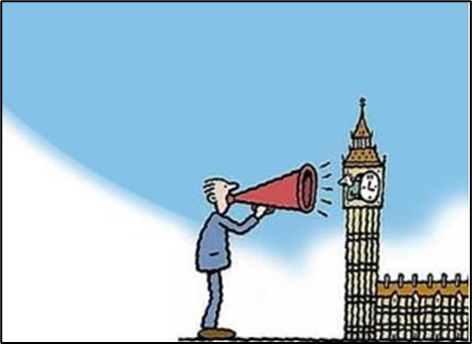
Taking inspiration from those unstable economies where fundamentals come first, policymakers risk undermining reform space and damaging fiscal credibility by ignoring changing public concerns. Leaders must align priorities to maintain public trust when their financial foundations are as stable as our busy parents’ steady bills.
Since “credible governments announce fiscal strategy or targets, the public expects them not to deviate”, stability is anchored by clear communication, according to one analysis. Priorities influence reform buy-in-engagement, which increases acceptance by elucidating successes and establishing the legitimacy of policies when people see their concerns mirrored. Neglect perception? Even well-thought-out plans go wrong, undermining confidence and financial flexibility.
Stability will lock in if policies are tuned to genuine vibes, such as two-way conversations that promote ownership. Watch as momentum ebbs or bend around issues. Leaders who pay attention transform concerns into victories.
Conclusion
Connecting the dots between policymaker playbooks and survival pressures, public anxiety functions more like a dashboard light indicating the actual state of the economy than a sporadic tirade. Concerns naturally move from panic to purpose when jobs and bills remain stable, indicating more significant macroeconomic changes.
The pattern becomes apparent when priorities change: politics intensifies, economic anxiety subsides, and all of this is based on stable real incomes. People’s concerns frequently reveal more about the status of the economy in which they live than they do about their personal preferences. When leaders correctly interpret these cues, they maintain stability; when they don’t, things get rough.
Do you prioritize the economy or something else in your personal concerns? Tell us in the comments!
References
Gallup: Economic Anxiety Is a Global Problem (Feb 2026)
https://news.gallup.com/poll/701438/economic-anxiety-global-problem.aspx
Gallup: Americans Predict Challenging 2026 (Jan 2026)
https://news.gallup.com/poll/700448/americans-predict-challenging-2026-across-dimensions.aspx
Ipsos: What Worries the World – January 2025
https://www.ipsos.com/sites/default/files/ct/news/documents/2025-01/what-worries-the-world-january-2025.pdf
McKinsey: Economic Conditions Outlook, December 2025
https://www.mckinsey.com/capabilities/strategy-and-corporate-finance/our-insights/economic-conditions-outlook