Look, I’ve been doom-scrolling Instagram at 2 AM, wondering why my FYP knows me better than my bestie-turns out, it’s not magic, it’s straight-up social media economics at play, with global platforms pulling in $200B+ in ad revenue yearly.
Banter opener: “Social media’s that ex who’s free to hang with but costs you your soul and $200B in ad revenue.”
You know the drill: “If social media is free, you’re not the customer-you’re the product.” That hit me hard in college, and now, decoding why Insta and YouTube rake billions while we feed the beast, I’m breaking it down for my 15-35 crew raised on Likes and Reels. Simple truth: Attention economy makes your time = money; algorithms gatekeep; creator economy (India’s $540M boom last year) turns scrolls into side hustles. Evidence-packed with banter-let’s hack platform economics together.

Attention Economics
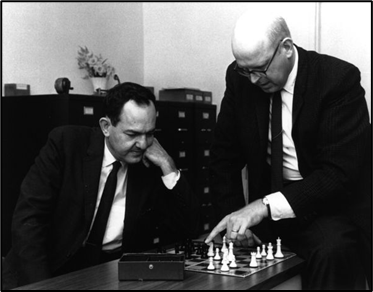
Fun Fact: Herbert Simon, the Nobel-winning economist, called attention our scarcest resource in an info-flooded world-social platforms turned that into a $200B+ attention economy goldmine.
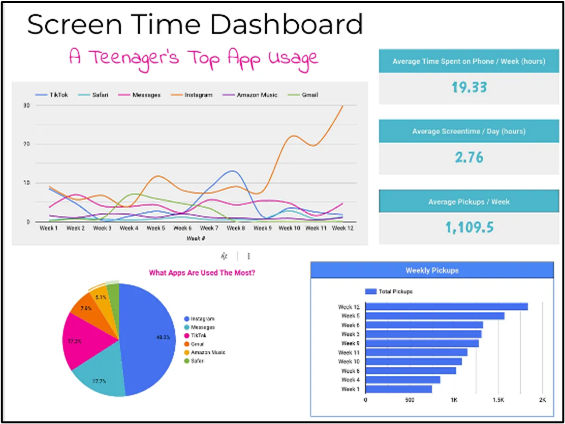
Your brain processes 11 million bits of data per second but consciously handles just 50. Platforms weaponize this with user engagement metrics like watch time (key for YouTube’s $31.5B revenue), CTR (click-through rates averaging 2-5% on Insta), and retention rates above 50% for viral reels. Longer time-on-platform directly pumps CPM-cost per mile jumps from $2 for basic views to $15+ for engaged audiences, creating more ad inventory slots. Infinite scroll mimics slot-machine variable rewards, triggering dopamine loops that keep you hooked 30+ minutes daily on average.
Engagement optimization is social media economics rocket fuel: Instagram’s algorithm prioritizes 3-second views; miss that, no distribution. I tracked my own sessions – cut from 2 hours to 45 minutes using app timers, reclaiming focus while platforms banked my data.
Platform Business Model
Instagram functions similarly to a digital bazaar – platform economics mastery through two-sided markets with a tech value of $1 trillion or more.
We both scroll for free, generating traffic that attracts advertisers willing to pay more than $200 billion on social media ads. Your Reels become brand deal magnets as creators continue to produce content, which causes network effects. One new follower attracts many. High switching costs prevent us from leaving once we’re hooked (goodbye, 10K followers?). This clever digital marketplace model captures social media economics perfectly.
2025 cash: YouTube’s $31.5B from 55% ad shares + subs; Instagram’s $50B+ on Reels deals, beating creator funds ($1B+ payouts).
| Platform | 2025 Revenue | Key Streams | Youth Play |
| YouTube | $31.5B | Ads (55%), subs | Tutorials |
| $50B+ | Reels deals | Aesthetics |
Banter: “We grow their empire for free; they bank billions – peak unpaid internship.” Master networks, print money.
Algorithm driven Revenue Models
Let me share a story with you about how one of my friends’ hours – long polished reels abruptly flatlined after 50 views. Gone without warning. In the social media economics game, it is the real face of social media algorithms: profit-driven bouncers that gatekeep algorithmic distribution rather than impartial referees.
The basic truth is as follows. Watch time is the primary parameter used by these systems to score your content. YouTube prefers 30-second retention, but Instagram rewards reels that hold viewers’ attention for three or more seconds. Get it right? Your post overflows feeds, increasing ad views and content monetization. Miss? Welcome to shadow banning, where platforms hide “risky” posts to protect advertiser payouts, causing reach crashes of 80%. A single algorithm change has the potential to drastically reduce creative profits over night, resulting in complete power asymmetry as platforms take “rent” from our visible efforts.
Experts in the creator economy are aware of this fact about algorithm-driven revenue: Distribution is rented; it is not free. While we continuously optimize, Meta and Google profit billions of dollars every year by controlling who is viewed. When I began experimenting with hooks like caption questions, views immediately doubled.
Understand their game, play yours smarter as algorithms ghost harder than those bad dates, but smart creators do bounce back.
The Creator Economy
Imagine landing your first brand deal – a $200 payout for shouting out a product to 5k followers. That rush is the Creator Economy in action: India’s scene hit $540M last year, with global growth eyeing $250B by 2026 as young people turn phones into real income.
The money comes from simple paths. YouTube shares Ad cash at $5-15 per 1K views (they keep 45%). Instagram pays big through brand collabs – mid-level creators snag $500-$5K per post. Creator funds give steady monthly checks around $200-1K, while affiliate links and fan subscriptions add up. But here’s the catch: 90% of creators make under $1K a year. Why? Winner-takes-most rules mean the top 1% grab most rewards, leaving scraps for everyone else.
Dynamics of the creator economy quickly become dangerous. Overnight, your views are destroyed by a single algorithm change. One month, paychecks swing dramatically large viral wins, and the next month, nothing. This means erratic side income for those aged 15 to 35 who are juggling jobs or college. To make things easier, savvy ones distribute their wagers over platforms, email lists, and digital goods like courses.
Ads vs. deals are the main source of income for influencers: partnerships give the possibility of a jackpot, while funds offer steady little payments. Pick both to build real staying power in social media economics.
Data Monetization
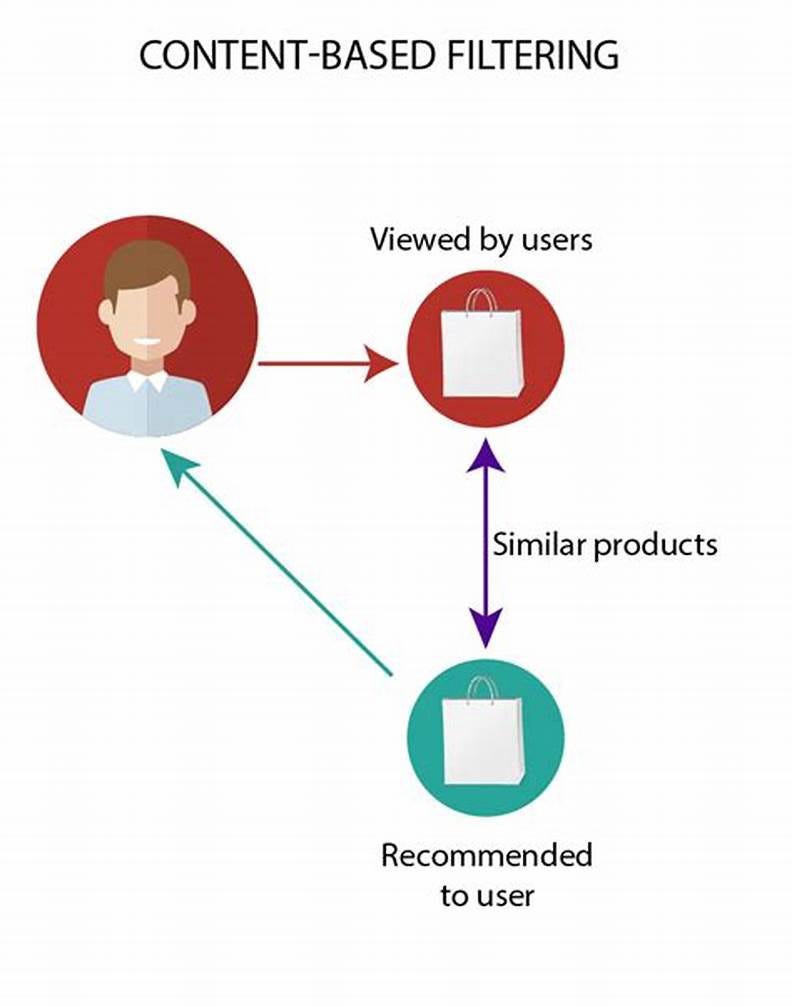
The money in the creative economy doesn’t just emerge; it’s driven by data monetization, which generates more than $50 billion in targeted ad revenue annually. Every pause, like, and scroll you make turns into behavioural gold since platforms keep track of your viewing habits, who you follow, and even how long you look at something.
The magic of tailored advertising is fuelled by this data. In programmatic auctions, advertisers place real-time bids; because of your coffee addiction, Starbucks advertisements have a greater impact and generate three times more CPMs than generic blasts. Better targeting = higher prices = fatter platform profits. It’s the digital surveillance economy at work: We create the data; they sell it back through perfect ad matches.
Simple upside for creators: Strong audience data unlocks premium brand deals. Downside? Total info imbalance – you never see the full picture while platforms hold all cards. Every click builds their invisible fortune, turning casual scrolls into social media economics fuel. Know your data’s worth; own it where you can.
Economic Power & Platform Governance
Adding to that goldmine of data monetization, all those billions go to a select few—welcome to digital monopolies. Google controls search and ads, whereas Meta controls the majority of your social media time. Competitors with superior network effects are excluded from their data mountains due to this market concentration.
But pushback grows. EU’s Digital Markets Act cracks open gates-platforms must share data fairly. US antitrust hits Google with billions in fines; Meta fights monopoly labels but sweats new probes. Social media economics may change as a result of platform regulation, which could lead to fewer arbitrary algorithm cuts and better creative economy splits.
For us 15-35 hustlers, this matters: Stable influencer income streams result from more equitable regulations. Antitrust issues are real; they might lead to your next big viral success.
Strategic Implications for Creators & Businesses
In my view, ignoring platform economics is like driving blind-time to flip social media economics into your edge. From creator economy risks to data monetization leverage, here’s my no-BS playbook for 15-35 hustlers:
Diversify now: Don’t bet everything on one app. Build email lists (your owned audience) and sell digital products-courses averaged $2k/month in successful cases.
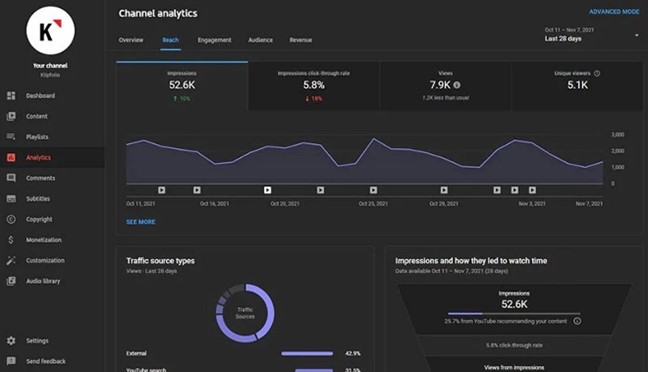
Chase real metrics: Focus retention and watch time over likes; they boost CPM from $5 to $15+. Use built-in analytics to test hooks.
Revenue hacks: Mix platform optimization strategy-subs for steady cash, affiliates for passive wins, brands for big hits. Track RPM religiously.
Tools that work: Instagram Insights for patterns; Google Analytics for cross-platform.
Here’s why it pays off: Grow on social media without owning your audience is just renting space in someone else’s empire. Maximize creator revenue means thinking like a social media consulting pro-leaning on data over gut feels. Grab those creator economy toolkits I mentioned; they turn scattered scrolls into your personal strategic advantage.
Conclusion
Attention economy hooks, platform economics networks, creator economy hustles, algorithm-driven revenue, and data monetization fuel are all deeply ingrained in social media economics. Data capitalization, attentiveness pays, algorithms govern, and artists turn into micro-entrepreneurs.
My take: Success beats posting more. Decode the rules to thrive. Future favors social media economics masters over scrollers.
Drop a comment with your biggest algo win or fail. Let’s decode together – what’s your move?
References
- Alphabet Inc. (2026, February 4). YouTube revenue for full-year 2025 topped $60 billion. Variety.
- Center for Humane Technology. (2025). The attention economy.
- Circle. (2025, December 16). Creator economy statistics for 2026.
- Dr. Gary Fox. (2025, August 12). Two-sided market business model.
- Meta Platforms, Inc. (2025). Q4 2025 earnings: Family of Apps revenue. Meta Investor Relations (eMarketer estimates).
- PMF IAS. (2025, December 25). India’s creator economy: Implications & challenges.
- SuperProfile. (2025, March 2). What is shadow banning and how to prevent it.
- Whales Book. (2025, December 23). India’s creator economy explodes: ₹4500 crore boom.